


Goober World
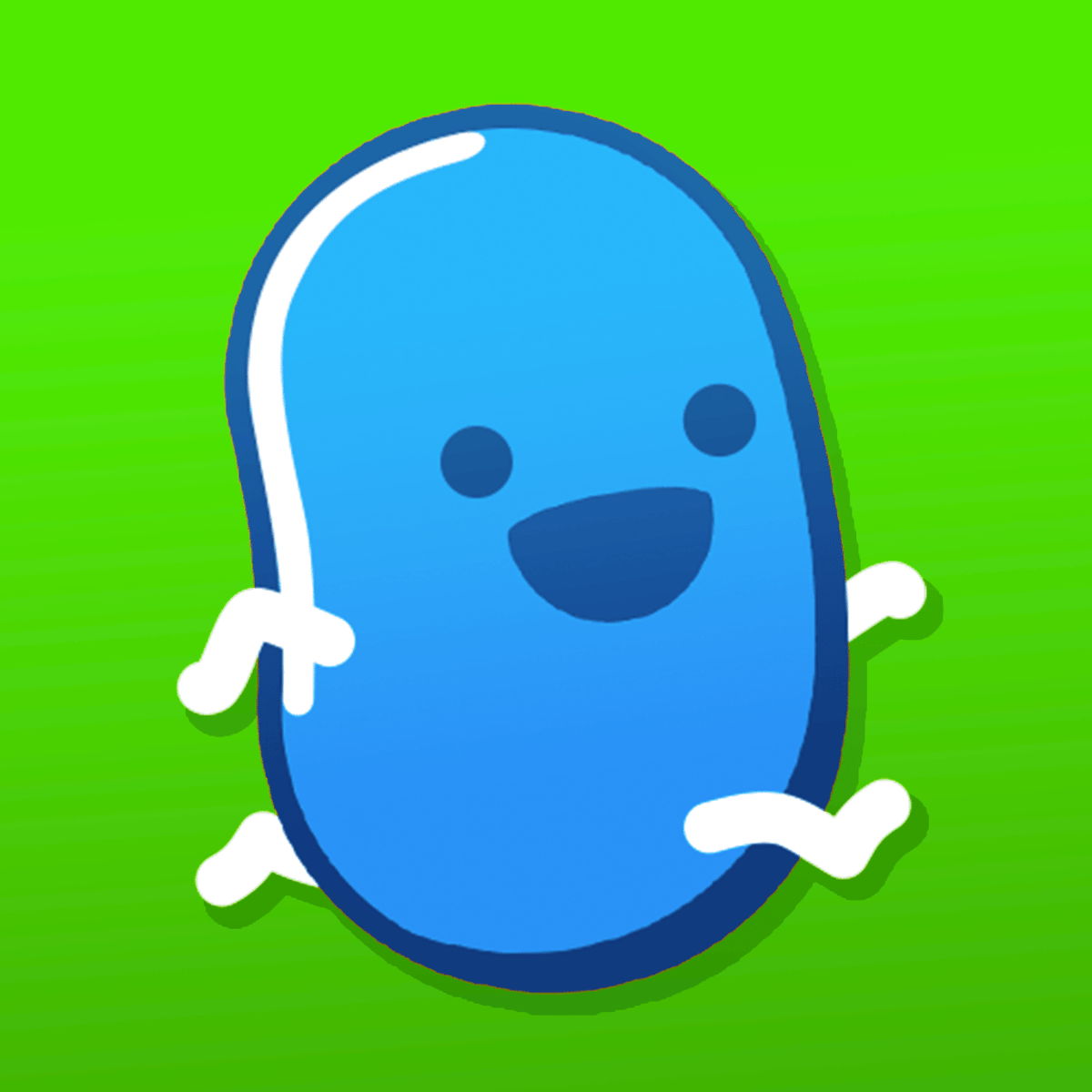
Ever wanted to control a squishy blob through increasingly nasty obstacle courses? Goober World delivers. It’s a platformer from Winterpixel Games that landed on Poki in July 2024 with a simple pitch: run, jump, dash, and don’t die. Since then it’s earned a solid 4.3 rating from over fifteen thousand votes—which suggests the gameplay has some staying power. The game doesn’t try to reinvent anything. Instead, it delivers tight controls, a steady difficulty curve, and plenty of character customization. You play as a Goober—a round, expressive little creature—and your only job is to reach the end of each level without getting sliced, crushed, or impaled. That’s it. Yet the levels keep twisting those basics into fresh challenges, and you’ll hit retry long after you swore you’d stop.
What sets Goober World apart from other browser platformers is the feel. The movement is floaty but responsive, and the dash gives you a split-second burst of speed that can save your life or send you straight into a spike pit if you misjudge. Levels are short—maybe thirty seconds to a minute once you know what you’re doing—but dense with traps. Spinning gears, saw blades, collapsing platforms, walls that close in on you. The game doesn’t hold your hand. It expects you to learn by dying, and the restart button is so quick that frustration rarely sets in. Each death becomes a lesson. Oh, that gear moves faster than I thought. Okay, I need to jump earlier. Got it.
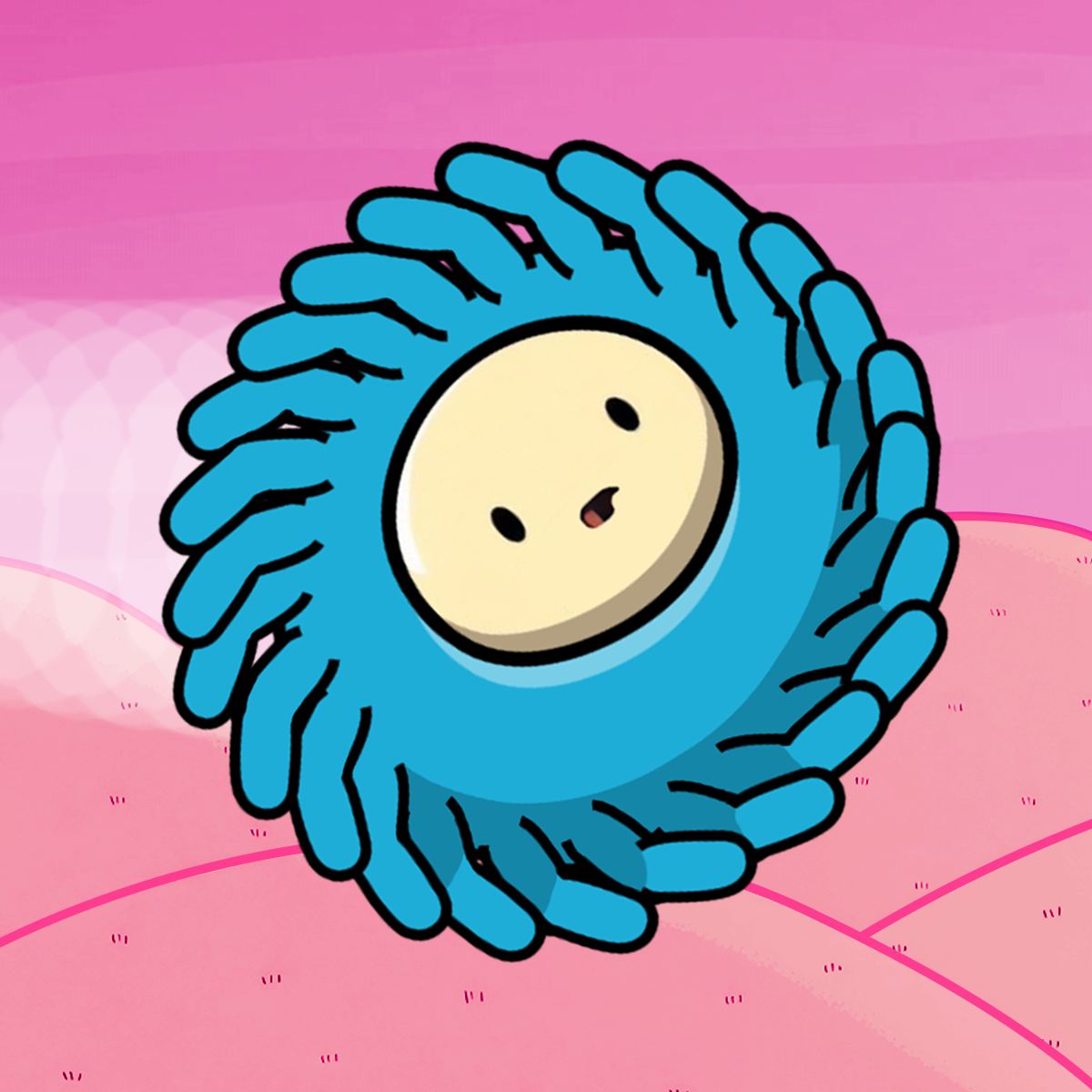
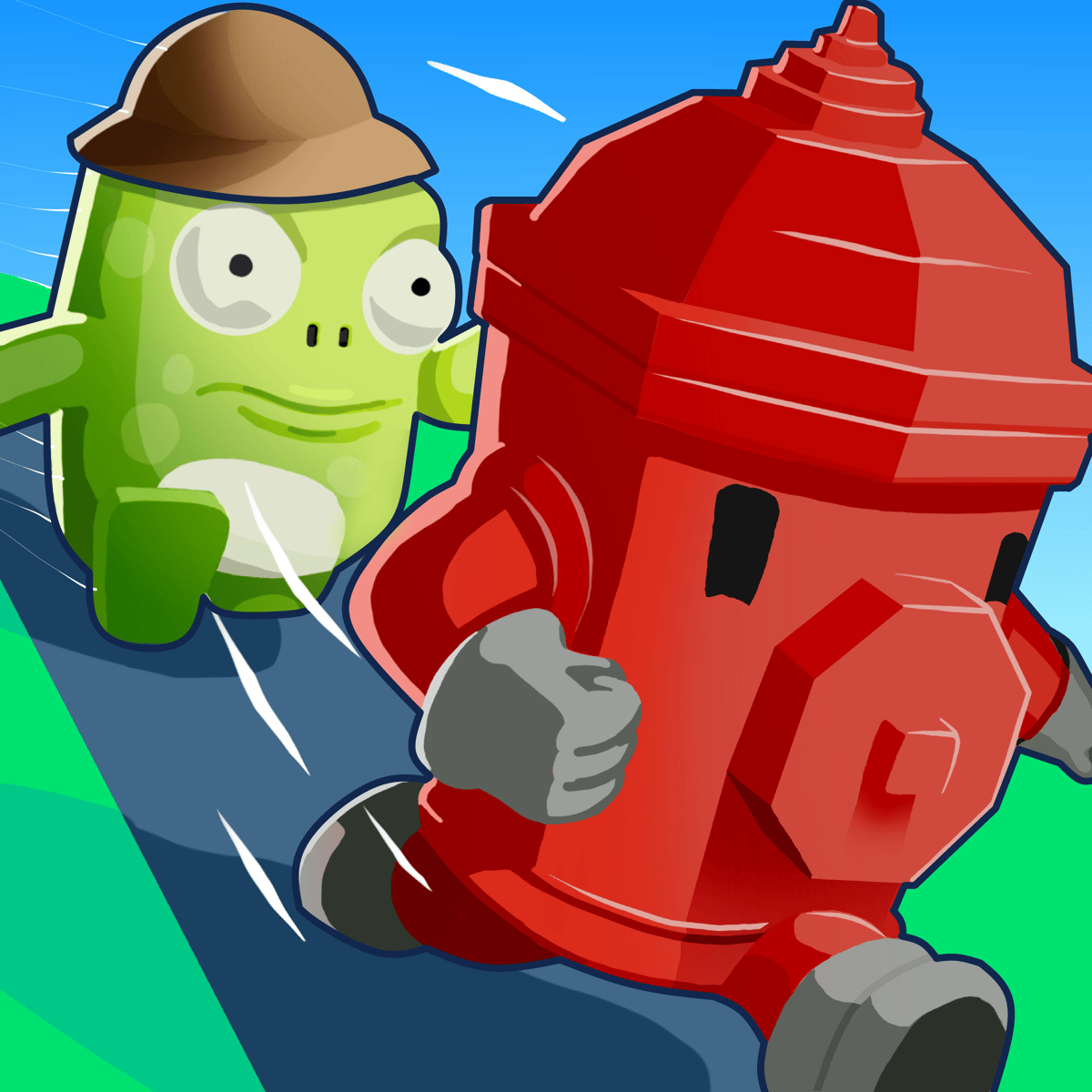
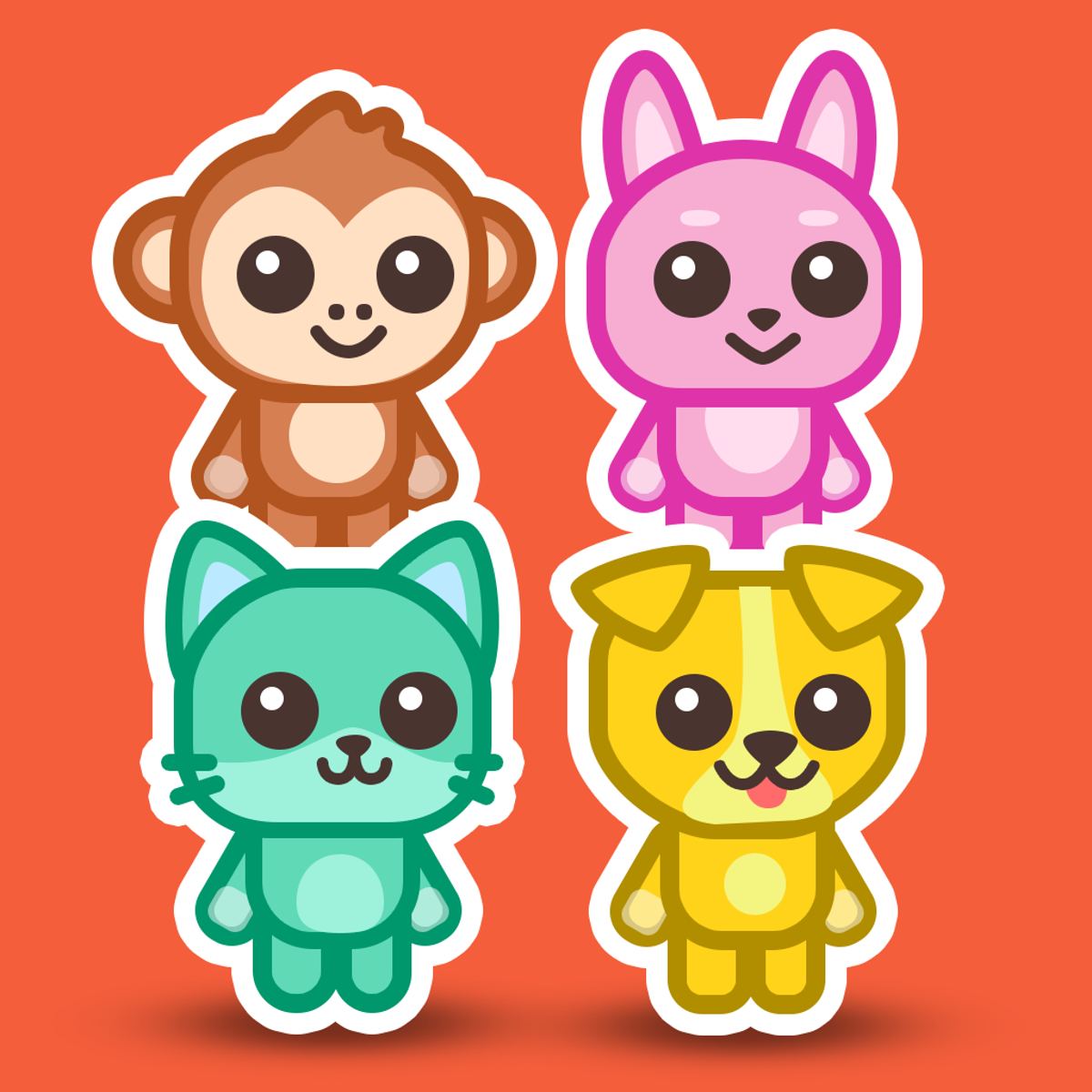
The visual style is clean and colorful, with a slight cartoonish edge. Goobers come in a bunch of different designs—some look like cats, some like robots, some like little astronauts—and you unlock them by collecting coins or completing specific challenges. There’s no story. You’re a Goober. You run. You jump. You try not to die. That’s enough.
How to Play
The core objective is straightforward: navigate from the start of each level to the exit flag. Along the way you’ll face a variety of hazards. The most common are spiked floors and walls, but gears and saw blades show up early and stick around. Some levels introduce moving platforms, others have crumbling blocks, and a few demand pixel-perfect timing with your dash.
Desktop controls are simple. Use A and D (or left and right arrow keys) to move. Press W, Z, or the up arrow to jump. To dash, hold X or the Spacebar. The dash is a channeled ability—you hold the key and your Goober charges forward as long as you keep it pressed. That means you control the distance by how long you hold the button. It’s not a tap-to-burst mechanic; it’s more like a short sprint you can cancel early. That matters because a full-length dash will often carry you straight into a hazard. Learning to feather the dash is one of the first skills you’ll need.
Mobile controls adapt well to touchscreens. You get virtual buttons on the left and right sides of the screen. The left side has a directional pad for movement, and the right side has separate buttons for jump and dash. The layout is comfortable on a phone in landscape mode, though your thumbs might cover parts of the screen on tighter levels. The dash button works the same as on desktop—hold to dash, release to stop. No auto-dash or tilt control, which is a good thing because precision matters here.
The game doesn’t have a lives system. You can die as many times as you want, and the only penalty is a short respawn animation and a reset to the last checkpoint. Checkpoints are marked by little flags and appear every few screens in longer levels. Some levels don’t have checkpoints at all, especially the shorter ones, so a single mistake means restarting from the beginning. That sounds harsh, but because the levels are brief, it rarely feels unfair.
Levels and Customization
Goober World doesn’t have separate game modes. It’s a straight sequence of levels that increase in difficulty. There are over fifty levels in the current build, with more added in updates. The game received a September 2024 update that introduced new level themes and a few new Goober skins. The level themes aren’t just palette swaps—they change the types of hazards you face. Early levels are all spikes and simple gears. Mid-game levels introduce moving saw blades and timed platforms. Late-game levels combine everything into chaotic gauntlets that test your reflexes and your patience.
Between levels you can visit the customization screen. Here you spend coins you’ve collected in-game to unlock new Goober appearances. The coins are scattered throughout levels, usually tucked away in offshoot paths or on platforms that require a risky jump. You don’t need to collect every coin to progress, but if you want that cool robot Goober or the one that looks like a little fox, you’ll need to explore. There are also a few secret Goobers that unlock when you complete certain challenges, like beating a level without dying or collecting all coins in a world. Customization is purely cosmetic, but the variety is nice. It gives you a reason to replay levels you’ve already beaten.
There’s no multiplayer, no leaderboard, and no time attack mode (at least not yet). The game is a single-player experience through and through. That might disappoint players looking for competition, but the level design is strong enough to stand on its own. Each level feels handcrafted, and the difficulty curve is well-paced. You won’t hit a wall that feels impossible—you’ll just hit a wall that takes ten tries.
Tips and Strategies
First thing: spend five minutes in the early levels just experimenting with the dash. Hold it for different durations. Notice how your Goober accelerates and decelerates. The dash isn’t instant—there’s a tiny wind-up before you shoot forward, and a slight slowdown at the end. If you dash too late over a gap, you’ll clip the edge of the landing platform and fall. If you dash too early, you’ll overshoot and hit a wall or a spike. The sweet spot comes with practice.
When you see a gear or saw blade, don’t panic. Most of them follow a fixed pattern. Watch it for one full cycle before you move. That might sound obvious, but a lot of players rush in and die immediately. Patience is a legitimate strategy here. The game doesn’t punish you for waiting; it punishes you for being impatient.
Use the jump-dash combo. Jumping and then dashing in midair gives you extra horizontal distance. This is essential for crossing wide gaps and for reaching platforms that are slightly out of normal jump range. The timing is forgiving—you can dash at any point during your jump arc—but if you dash too late, you’ll lose height and might not make it. Practice this on the early platforms before you need it in a tight spot.
Coins are often placed to lure you into danger. If you see a coin floating over a spike pit, there’s usually a way to get it, but the path is never obvious. Look for hidden platforms or alternate routes. Sometimes you need to backtrack and take a different angle. The game rewards exploration, but it also punishes greed. If you die trying to grab a coin, you’ll respawn at the last checkpoint, and the coin will still be there. So it’s not a permanent loss, but you have to redo the section. Decide whether the coin is worth the risk. Early on, it usually is. Later, when the levels get longer, you might skip a risky coin to preserve your momentum.
On mobile, consider using the dash button with your thumb while keeping your index finger on the jump button. That might sound awkward, but it gives you better control than trying to hit both buttons with one thumb. The game’s layout allows for this because the buttons are spaced far enough apart. Alternatively, you can play with the device resting on a table and use two thumbs. Find what works for you. The mobile version is perfectly playable, but it does require a bit more precision than desktop.
Common Mistakes
New players often treat the dash like a panic button. They hold it down whenever they see a hazard, which usually sends them flying into something worse. The dash is a tool, not a crutch. Use it deliberately. If you’re not sure where you’ll land, don’t dash. Wait until you have a clear path.
Another frequent mistake is jumping too early. In many platformers, you can jump at the last second and still make a gap. In Goober World, the jump height and distance are fixed, but the timing matters more because of the hazards. If you jump too early over a pit with a saw blade underneath, you’ll land on the far edge and then slide back into the pit. Wait until you’re at the very edge of the platform before you jump. It feels counterintuitive if you’re used to games with more forgiving physics, but it works.
Ignoring the dash’s wind-up is another trap. When you start a dash, your Goober hesitates for a fraction of a second before moving. If you try to dash at the exact moment you land on a crumbling platform, that hesitation will be enough for the platform to break and drop you. You need to dash before you land, or jump off the platform immediately. The wind-up also means you can’t use the dash as a last-second dodge. You have to anticipate the hazard.
On mobile, a common issue is accidentally hitting the dash button when you meant to jump. The buttons are close enough that your thumb can slip. If you find yourself dashing off cliffs, try adjusting the button layout in the settings—there’s an option to reposition the virtual buttons. Not everyone knows that. Take a minute to customize the layout to your hand size.
Finally, don’t get attached to your Goober skin. You will die a lot. The respawn animation is quick, but if you’re grinding for a specific unlock, the deaths can feel more frustrating. Remember that dying is part of the learning process. The game is designed to be tough but fair. Every death is your own fault, and that’s a good thing—it means you can improve.
FAQ
Is Goober World free to play?
Yes. You can play it for free on Poki. There are no in-game purchases or ads that interrupt gameplay. The only “payment” is your patience when you die for the tenth time on the same level.
Can I play Goober World on my phone?
Absolutely. The game works on both iOS and Android browsers. The touch controls are well implemented, though you might want to tweak the button layout to fit your screen size. It runs smoothly on most modern phones.
How do I unlock new Goober characters?
Collect coins in the levels. You’ll see a shop between levels where you can spend coins to unlock new skins. Some skins are unlocked by completing specific challenges, like beating a level without dying or collecting all coins in a world. The game doesn’t tell you exactly what the challenge is for each secret skin—you have to figure it out or look it up.
What happens when I die?
You respawn at the last checkpoint you passed. If there are no checkpoints in the level, you restart from the beginning. You don’t lose any progress or coins you’ve already collected. The only thing you lose is time.
Does Goober World have multiplayer?
No. It’s a single-player game. There’s no co-op, no versus mode, and no online leaderboard. The focus is entirely on the solo platforming experience. That might change in future updates, but as of now, it’s a solitary adventure.
---
Goober World doesn’t try to be the next big thing. It’s a tight, well-made platformer that respects your time and your reflexes. The levels are short enough to fit into a coffee break, but the difficulty ensures you’ll remember them long after you close the tab. Whether you’re chasing that perfect run or just trying to unlock the cat Goober, there’s a quiet satisfaction in mastering each stage. And when you finally clear that one level that’s been killing you for twenty minutes, the feeling is genuine. That’s the kind of game that earns its keep.