
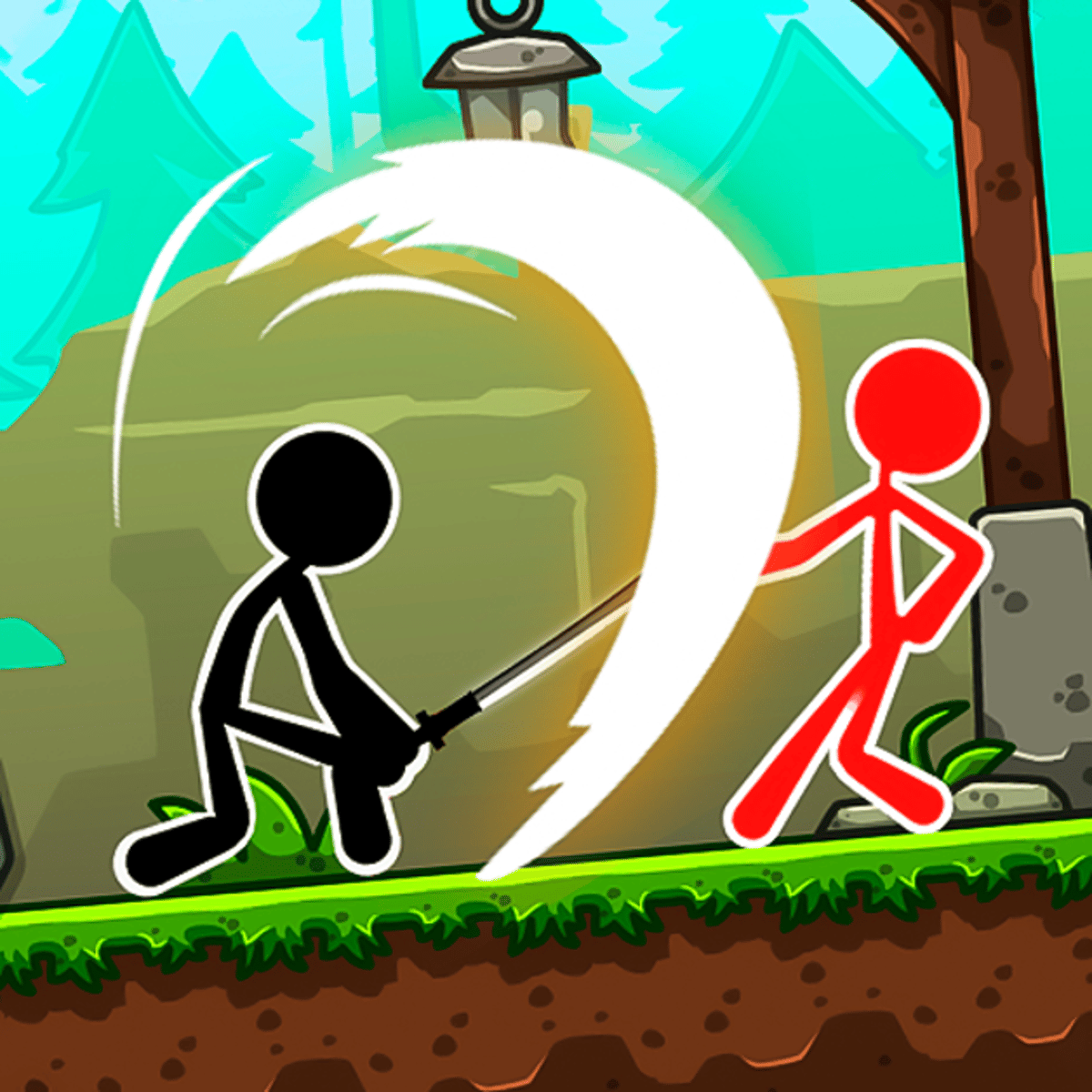
Stickman Hook
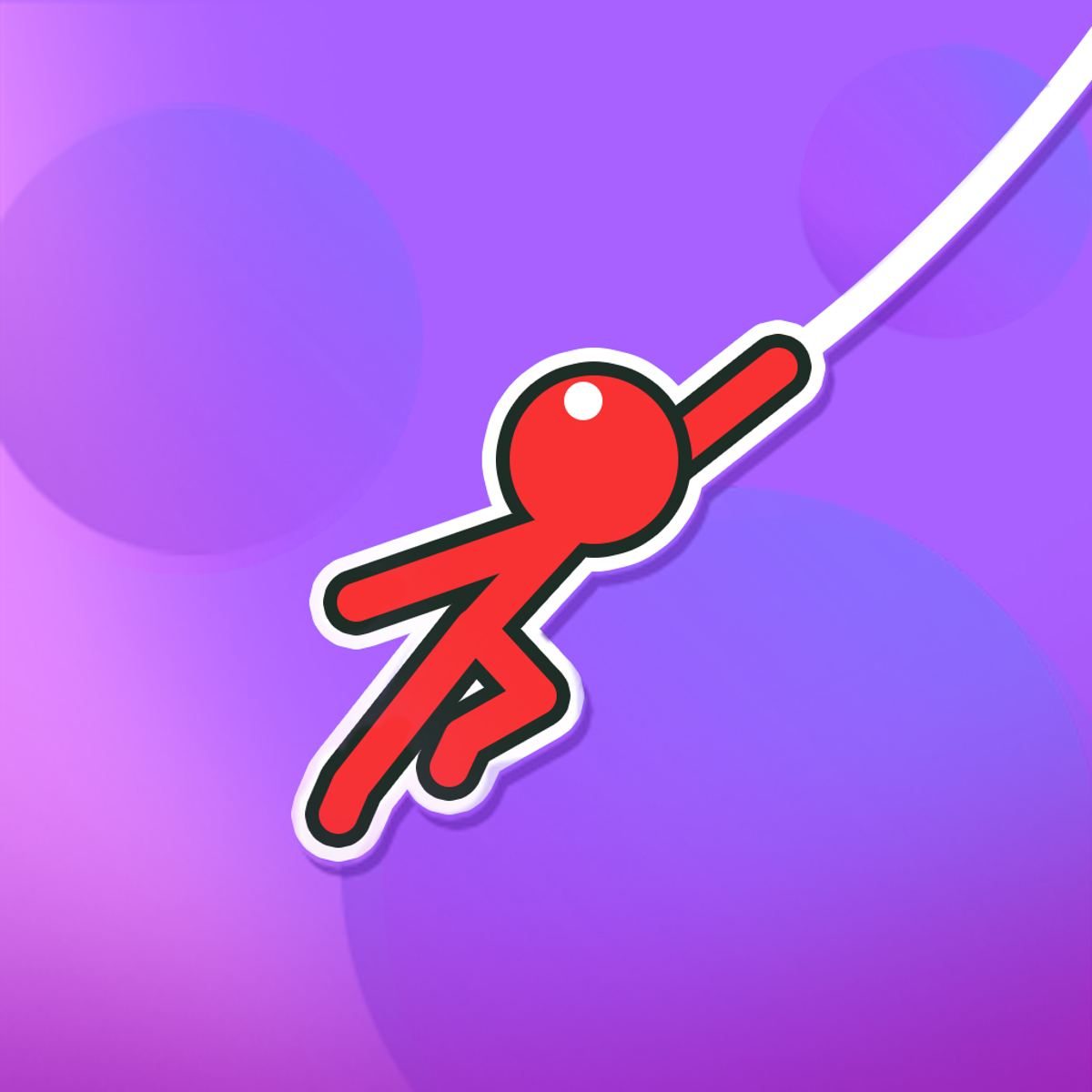
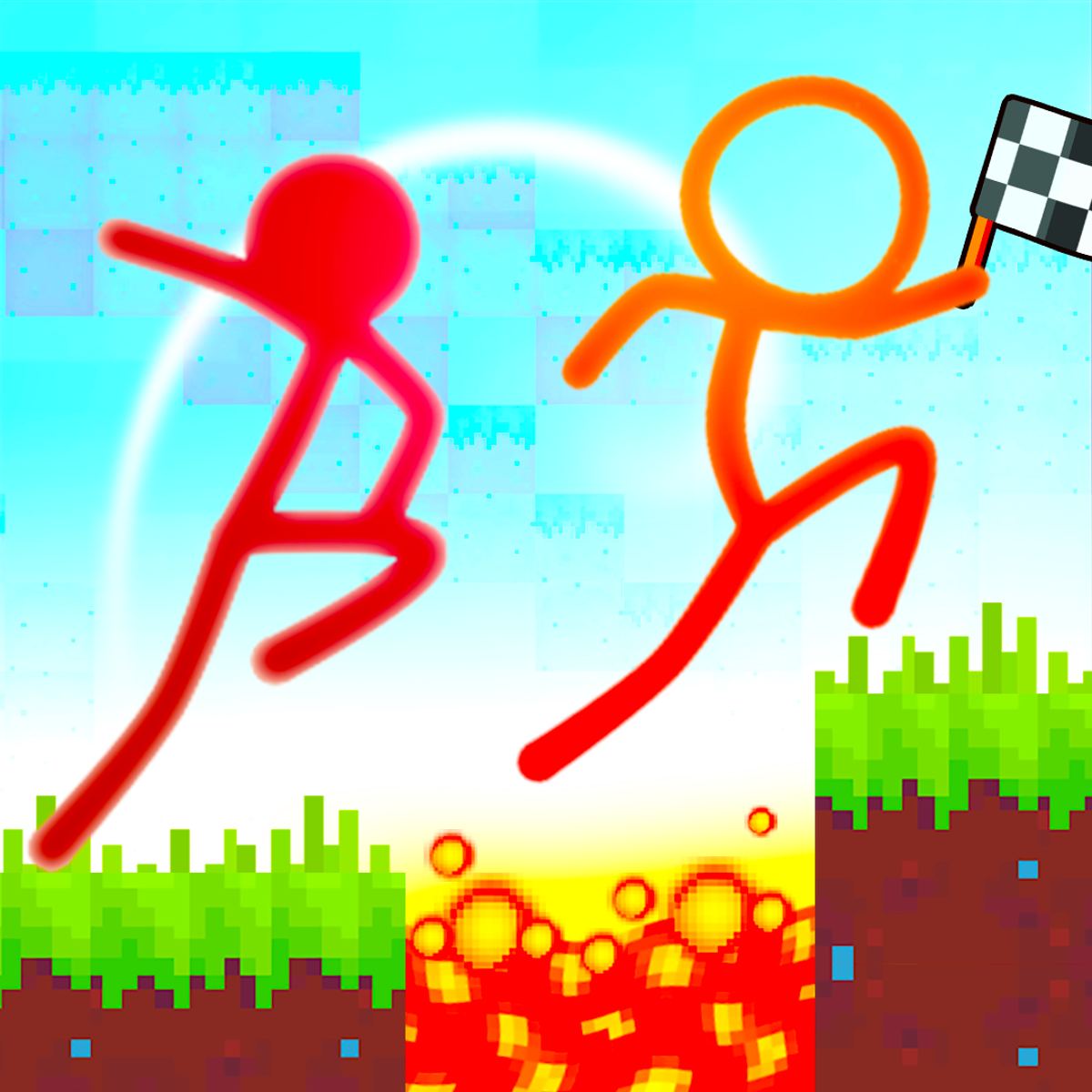
Stickman Hook looks too simple to be fun—until you try it. You control a little stick figure who swings from hook to hook like a tiny, angular Spider-Man. The goal is to fling yourself across each level as fast as possible, building speed and momentum until you cross the finish line. That’s it. One button. One rope. Hundreds of levels.
But Stickman Hook is brutally addictive because every run is short and every mistake feels like your fault. Most attempts end in under five seconds. You fall, you tap restart, you try again. The game doesn’t punish you with long load times or cutscenes. It just throws you back to the start and dares you to do better. And you will. Over and over.
Developed by Madbox and released in 2018, Stickman Hook has racked up millions of plays across browsers and mobile devices. It’s a Poki exclusive on the web, where it sits near the top of the skill games charts with a 4.4 rating and over seven million votes. The appeal isn’t flashy graphics or a deep story—it’s the pure satisfaction of nailing a perfect swing. When you time a release just right and watch your stickman fly cleanly across a gap, it feels like you’ve cracked a secret code. Then the next hook appears, and you have to do it all over again.
How to Play
The objective is straightforward: reach the end of each level by swinging from one anchor point to the next. You don’t walk, run, or jump. You attach your rope to a hook, swing like a pendulum, and release at the right moment to launch forward. Along the way you’ll encounter bouncing pads—springy platforms that can boost you upward or forward if you hit them while attached to a hook. Some levels also have spikes or gaps that will end your run instantly if you misjudge a swing.
Desktop controls: Hold down the left mouse button or the spacebar to attach your rope to a hook. Keep holding as you swing. Release the button or spacebar to let go and fly in the direction you were moving. That’s it. No arrow keys, no WASD, no complicated combos.
Mobile controls: Tap and hold anywhere on the screen to attach. Lift your finger to release. The same logic applies—hold through the swing, let go at the right moment. The game works equally well on phones and tablets, and the touch controls feel just as responsive as a mouse.
The physics are based on real pendulum motion. When you attach to a hook, your stickman swings in an arc. Speed builds at the bottom of the swing and slows near the top. The key insight is that you want to release at the lowest point of that arc, where your velocity is highest. Let go too early (near the top) and you’ll float upward with no forward speed. Let go too late (as you start swinging back) and you’ll lose all your momentum. The sweet spot is a fraction of a second after you pass the bottom.
Bouncing pads add another layer. If you’re holding onto a hook and you swing into a pad, you’ll get an extra push. You can use them to change your angle or to launch yourself across a long gap without needing another hook. Some advanced players chain multiple pads together, bouncing back and forth to build insane speed before releasing.
Game Modes
Stickman Hook offers two main modes, plus a skin collection system that gives you something to work toward.
Classic mode is the default experience. It contains hundreds of levels that gradually increase in difficulty. Early levels are generous with hook placement and give you plenty of room to learn the timing. Later levels force you to chain swings together with almost no room for error. The challenge ramps up steadily, and you’ll hit a wall eventually—but restarting is so fast that you never feel stuck for long.
Grapple Hook mode unlocks after you complete 30 levels in Classic. In this mode, attaching to a hook doesn’t start a pendulum swing. Instead, it pulls you forward immediately, like a grappling gun. This changes the feel completely. You have less time to recover from a bad angle, but you also have more control over your trajectory. It’s faster, tighter, and less forgiving. Players who have mastered Classic timing often find Grapple Hook mode refreshing because it rewards quick decision-making over long, patient swings.
Skins are cosmetic rewards that change your stickman’s appearance. There are 23 skins total. Nine are “classic” skins, eight of which unlock as you progress through levels. A progress bar at the end of each level shows how close you are to the next one. The other 14 skins are unlocked by watching short video ads. These include fun designs like a Burger, Cactus, Dragon, Lemon, and Robot stickman. A few skins rotate weekly on the home screen, so it’s worth checking back regularly if you’re a completionist. None of the skins affect gameplay—they’re purely for style—but they give you a reason to keep playing even after you’ve cleared a level.
Tips and Strategies
Stickman Hook is easy to pick up but hard to master. Most players plateau because they repeat the same small mistakes without realizing it. Here’s how to break through.
Release at the bottom of your swing, not the top. This is the most important tip. Beginners tend to hold onto the hook until they reach the highest point of the arc, then let go. That sends the stickman straight up, killing all forward momentum. Instead, wait until you’re at the lowest point—the moment you feel the fastest—and release. You’ll fly forward with maximum speed. It takes practice to feel that timing, but once you do, everything clicks.
Look ahead before you release. While you’re swinging, glance at where the next hook is. You want to launch yourself on a trajectory that puts the next hook within your rope’s reach at the top of your next arc. Hooks that are slightly above your launch point are ideal because gravity pulls you into a natural swing angle. If you release without looking, you’ll often end up below the next hook and have to scramble.
Build a rhythm, don’t mash. Stickman Hook rewards a steady beat: attach, swing, release, fly, attach. Players who spam the button randomly stall out quickly. Find the natural rhythm of each level and stick to it. If you feel rushed, you’re probably holding onto hooks too long. Slow down your inputs and focus on clean releases.
Choose your hooks wisely. You don’t control rope length directly—it’s determined by the distance to the hook you grab. But you can choose which hook to attach to. When hooks are close together, grabbing a near one gives you a short, fast swing. When the gap is wide, grabbing a far one gives you a long, momentum-building arc. Use this to your advantage. If you need a quick direction change, grab a close hook. If you need to cover distance, aim for a far one.
Don’t panic-tap during freefall. Between swings, you’re in the air. The instinct is to tap frantically to grab anything. But premature attachments often connect you to hooks directly below you, which kills your forward speed and drops you straight down. Wait until a hook ahead of you is within range, then attach. Patience is a skill in this game.
Use bouncing pads to change your setup. Bouncing pads aren’t just for extra height. You can use them to adjust your angle while still attached to a hook. For example, if you’re swinging toward a pad, you can bounce off it to shift your trajectory upward, then release at the peak to clear an obstacle. Some levels are designed so that bouncing back and forth between two pads builds enough speed to skip several hooks entirely.
Start on Easy mode to learn the physics. Easy mode gives you longer rope reach and wider-spaced hooks with no obstacles. It’s perfect for ingraining the release-at-bottom habit without dying to spikes. Once your muscle memory is solid, Normal mode feels much more manageable. Don’t skip Easy because you think it’s beneath you—it’s a training ground.
On Hard mode, look two or three hooks ahead. Hard mode reduces your rope range significantly and adds more obstacles. The survival skill is anticipating your next moves. If you only react to the hook right in front of you, you’ll run out of options. Plan your path through the next few swings, and be ready to skip a hook if it would send you into a bad position.
Common Mistakes
Even after you understand the basics, certain habits will keep you from improving. Here are the most common ones.
Releasing too late. This is the opposite of the beginner mistake. Some players learn to release at the bottom, but then they hold on a fraction of a second too long and start swinging back. That backward motion kills all forward speed, and you end up dropping straight down. The fix is to release a hair earlier than you think you need to. It’s better to launch slightly upward than to swing back.
Holding onto a good swing too long. When you nail a perfect swing, it feels great. The temptation is to ride it all the way to the top. But that extra hold often puts you too high or slows you down for the next swing. A good swing is a tool, not a reward. Use it to set up the next move, then let go.
Grabbing every hook. You don’t have to attach to every hook you pass. If you’re already moving fast and the next hook is directly below you, skipping it is often the right call. Grabbing it would reset your trajectory and waste your momentum. Learn to recognize when a hook would hurt more than help.
Panic-tapping during freefall. Already mentioned, but worth repeating. The urge to spam the button is strong, especially when you see a hook approaching. But premature attachments ruin your angle. Wait until the hook is clearly within range, then attach deliberately.
Ignoring bouncing pads. Some players treat pads as optional or as hazards. They’re not. Pads are essential tools for changing your angle and building speed. If you swing into a pad while holding a hook, you get a free boost. Use them.
Not restarting quickly enough. This sounds counterintuitive, but many players waste time trying to recover from a bad swing. In Stickman Hook, one bad swing often leads to two or three more bad swings. It’s usually faster to restart than to fight through a chain of mistakes. Don’t be stubborn—hit restart and try again.
FAQ
Is Stickman Hook hard?
Yes, but in a fair way. The controls are simple, but the timing is unforgiving. Each swing puts you in a new position, and a poor release makes the next move harder to control. Most players hit a difficulty wall around level 30–40, but the fast restart cycle keeps frustration low.
Does the game save my progress?
If you play on Poki while signed in, your progress is saved automatically. On mobile apps, progress is saved locally. You won’t lose your level unlocks or skins unless you clear your browser data or reinstall the app.
How many levels are there?
Hundreds. The exact number isn’t fixed because the game receives updates, but you can expect well over 200 levels in Classic mode. Grapple Hook mode has its own set of levels as well.
Why do I keep falling at the same point?
This usually happens because a bad swing earlier in the level puts you at the wrong angle. One mistake affects the next two or three swings, which is why restarting often feels like the right call. Pay attention to where your run goes wrong—it’s rarely the last hook you grabbed.
Can I play Stickman Hook on my phone?
Yes. The game is available as a free app on iOS and Android, and it also works perfectly in a mobile browser. The touch controls are identical to the desktop version: tap and hold to attach, lift to release.
That’s about all there is to it. Stickman Hook doesn’t need a manual or a tutorial—it just needs you to swing, fail, and swing again. The beauty is that every run teaches you something, even the ones that end in two seconds. So go ahead, grab a hook, and see how far you can fly.