The Superhero League
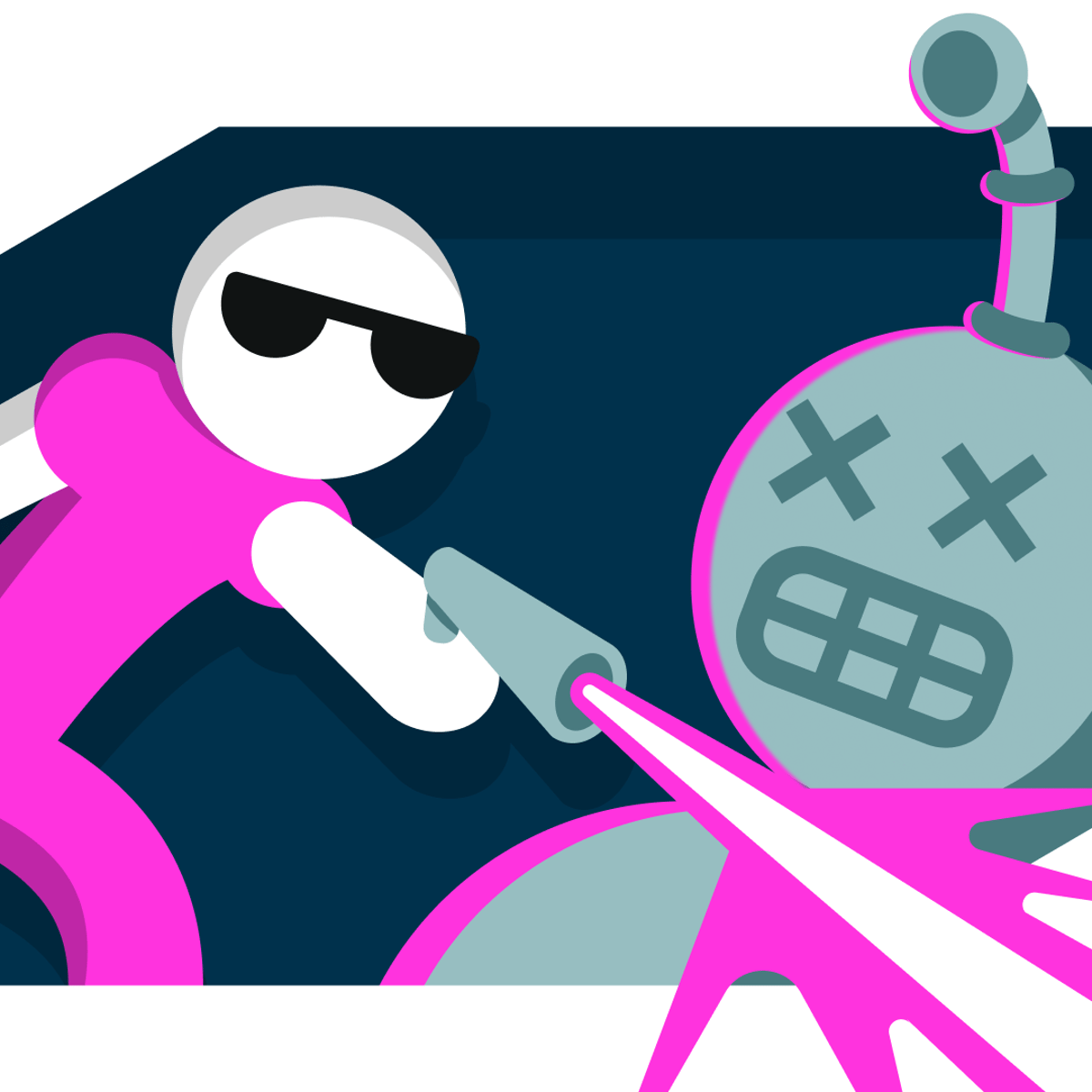
Most superhero games let you punch things until they stop moving. This one doesn’t. The Superhero League is a physics-based puzzle shooter that asks you to think before you blow stuff up. You pick a hero with a unique superpower—telekinesis, fireballs, ice blasts, wind, that kind of thing—and figure out how to use that power to take out enemies in clever, often messy ways. It’s from Lion Studios, the team behind Happy Glass and Mr Bullet, so you get that same satisfying blend of precision and chaos.
I’ve been playing it on and off for a couple weeks, and I keep coming back because each level feels like a tiny sandbox. You’re not just lining up a shot and clicking. You’re bouncing projectiles off walls, knocking barrels into enemies, freezing guys mid-air so they fall on each other, and occasionally setting off chain reactions that make you feel like a genius. The game doesn’t hold your hand much—good. It throws you into a room with a handful of bad guys and some environmental doodads, and says, “Go ahead, be a hero.” Sometimes you nail it on the first try. Sometimes you accidentally blow yourself up. Either way, it’s fun.
The art style is bright and cartoony, which fits the tone. Enemies are goofy-looking thugs, and your hero looks like they stepped out of a comic book. The sound effects are punchy, and the physics engine is solid enough that you can rely on it. No janky ragdolls that spaz out for no reason. Things break, fly, and fall the way you expect. That reliability is key for a puzzle game like this—when you pull off a perfect shot, you want to feel like it was your skill, not luck.
How to Play
The goal in each level is simple: eliminate all the enemies. Sometimes that means directly hitting them with your power. Other times it means using the environment—explosive barrels, hanging weights, unstable platforms—to do the job for you. A few levels have special objectives like destroying a shield generator or protecting a civilian, but most are straightforward “kill everyone” scenarios.
Controls are the same on desktop and mobile, just with different input methods.
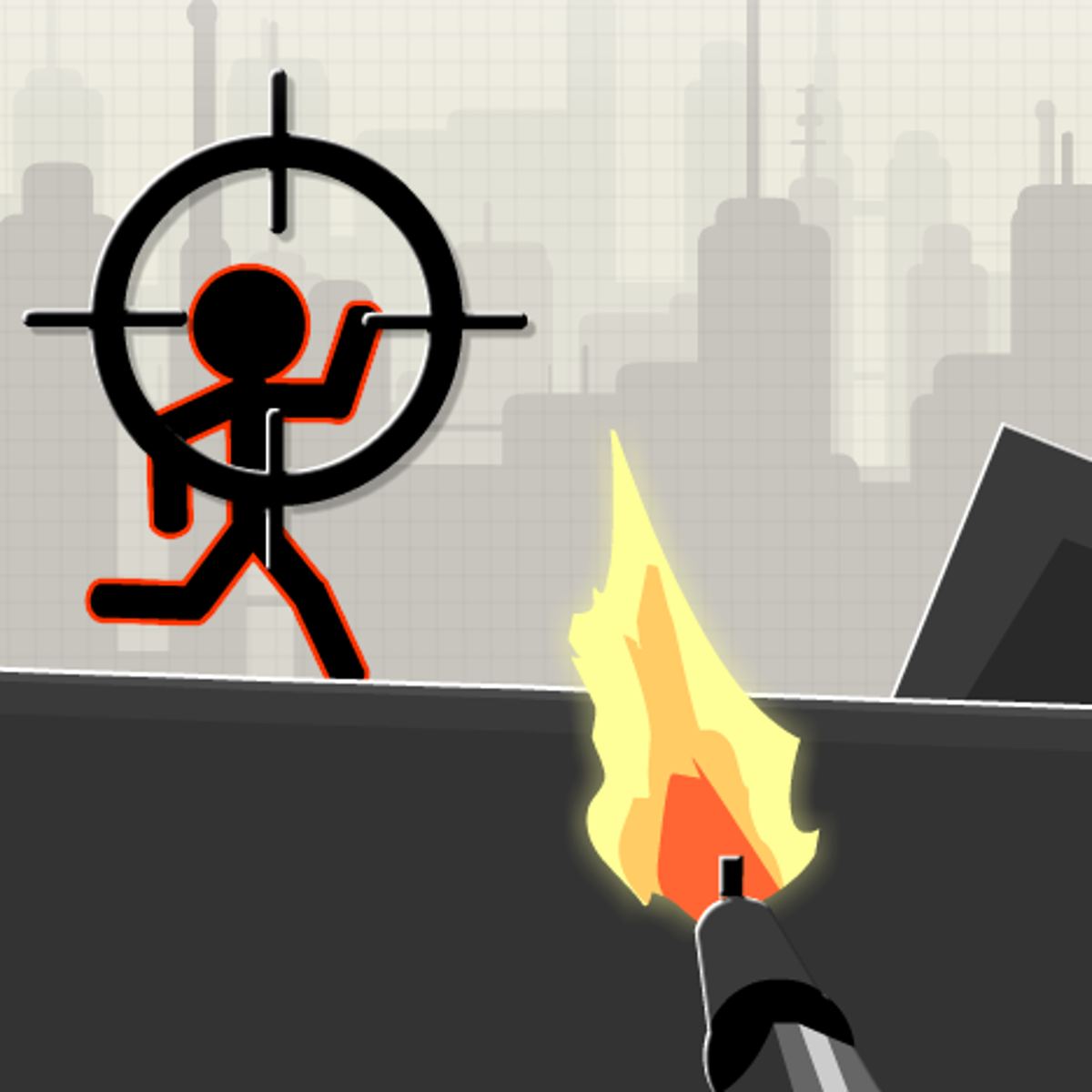
- Desktop: Click and hold to aim. A dotted line shows your trajectory, including bounces off walls and ceilings. Drag to adjust the angle, then release to fire. You can also tap quickly for a direct shot if you don’t need to aim carefully.
- Mobile: Tap and hold on the screen, then drag to aim. Release to fire. The same trajectory line appears. Works well on phones, though I find it slightly harder to make tiny adjustments on a small screen.
There’s no time limit, so take your time. Study the layout. Look for environmental hazards you can trigger. Notice which enemies are standing near something that could fall on them. Some levels have multiple solutions, but the game rewards efficiency—fewer shots, less collateral damage, that sort of thing. You get a star rating at the end based on performance, so there’s replay value if you’re a completionist.
Each hero has a different ability. You pick one at the start of a level, and you can’t switch mid-level. The six heroes are:
- Telekinesis: Lift and throw objects. Great for dropping heavy stuff on enemies or flinging crates into clusters.
- Fireball: Shoots a slow-moving ball of fire that explodes on impact. Good for groups and explosive barrels.
- Ice Blast: Freezes enemies in place. Useful for stopping a moving target or creating a solid block that can be pushed.
- Wind Gust: Pushes enemies and objects. Can knock guys off ledges or into traps.
- Speed Dash: A quick projectile that passes through multiple enemies. Good for lined-up targets.
- Gravity Well: Creates a small vortex that pulls enemies and objects toward a point. Tricky to master but devastating when used right.
Some heroes are better for certain levels than others. Experiment. The game doesn’t punish you for retrying, and you can always switch heroes before restarting.
Features
The Superhero League doesn’t have a ton of bells and whistles, but what it does have is solid.
Level variety is the big one. There are dozens of puzzles, each with a unique layout. Early levels are simple—a couple of enemies in an open room—but later ones introduce moving platforms, enemies with shields, obstacles that block your shots, and environmental puzzles that require multiple steps. The difficulty curve is gentle at first, then spikes around the midpoint. That’s when the game gets really interesting.
Hero selection adds replayability. Even if you beat a level with one hero, you can go back and try it with another. The solution might be completely different. For example, a level that requires you to knock a support beam out from under a platform can be done with telekinesis (grab the beam and pull), wind (push a heavy object into it), or fireball (blow it up). Each approach feels distinct.
Physics sandbox is a feature in itself. The game uses a realistic physics engine. Objects have weight, friction, and bounce. Explosions send debris flying. Frozen enemies become solid blocks that can be pushed. The wind gust can send loose objects tumbling. It’s not a full-blown physics simulator, but it’s consistent enough that you can plan multi-step chain reactions. There’s a real satisfaction in watching a plan come together—a barrel rolls into an enemy, that enemy falls onto a pressure plate, which releases a cage that drops on another enemy. The game encourages that kind of creativity.
Scoring and stars. Each level gives you up to three stars. The criteria aren’t explicitly listed, but it seems to be based on the number of shots used and the amount of destruction caused. You don’t have to three-star everything to progress, but it’s a nice goal for perfectionists. The game tracks your total stars, so you can see how you’re doing overall.
No ads during gameplay. That’s a big plus for a free browser game. There are ads between levels, but they’re short and skippable. You can also watch an optional ad to get a hint if you’re stuck. The hint system is subtle—it highlights an object you should interact with, not the exact solution. That’s fair.
Tips and Strategies
After playing through a good chunk of the game, here’s what I’ve learned that actually helps.
Look at the whole level before you do anything. I know it’s tempting to just start blasting, but take ten seconds to scan the room. Where are the enemies standing? Are there any barrels, crates, or hanging objects? Is there a weak wall? Is there a path for a ricochet shot? Most levels have a clear “aha” moment once you see the setup. Rushing in will just waste shots.
Use the environment as your weapon. Direct hits are fine, but indirect kills are often more efficient. For example, if an enemy is standing under a heavy object suspended by a rope, shoot the rope. The object falls and crushes them. That uses one shot instead of two or three. Similarly, explosive barrels are your best friend. A single fireball near a cluster of barrels can wipe out half the level. Just be careful not to blow yourself up—your hero can take damage from explosions too.
Master the trajectory line. The dotted line shows exactly where your projectile will go, including bounces. Use it to bank shots around corners or off ceilings. Some levels are designed so that a ricochet shot is the only way to hit a shielded enemy. Practice judging angles. It’s not hard, but it takes a few tries to get used to how the bounces work.
Switch heroes if you’re stuck. Not every hero works on every level. If you’ve tried ten times with the fireball hero and can’t get it, try telekinesis. Maybe you need to move a heavy object into position rather than blow it up. Sometimes a hero’s power seems useless at first, but then you realize it’s exactly what the level needs. The ice hero, for example, can freeze a moving platform in place, which makes timing easier.
Think about chain reactions. The best levels are the ones where you set off a cascade of events. A barrel explodes, which knocks a crate into an enemy, which falls onto a pressure plate, which triggers a trap. You don’t have to plan every step perfectly, but if you see a sequence, try it. The game is built to reward experimentation.
Don’t be afraid to fail. There’s no penalty for retrying a level. You can restart as many times as you want. Use that freedom. Try a crazy shot. See what happens if you aim at that weird-looking pipe. Half the time it does nothing, but the other half it reveals a hidden solution. The game is forgiving, so take risks.
Watch for enemy patterns. Some enemies move back and forth. Some stand still. Some are behind cover. If an enemy is moving, you need to lead your shot or time it so they walk into your attack. The wind gust is great for pushing moving enemies into a wall or off a ledge.
Use the hint system sparingly. If you’re truly stuck, you can watch an ad to get a hint. The hint highlights one object in the level—usually the key piece you’re supposed to interact with. It doesn’t tell you what to do with it, just where to look. That’s often enough to get you unstuck without ruining the puzzle.
Common Mistakes
Even experienced puzzle game players make these errors. Avoid them and you’ll save time.
Ignoring the environment. New players often try to shoot enemies directly, even when there’s an obvious environmental kill. A crate suspended by a rope? Shoot the rope. A barrel next to a group of enemies? Blow it up. Don’t make the game harder than it is. The environment is your weapon.
Using the wrong hero. I’ve seen people try to brute force a level with the fireball hero when the solution clearly requires telekinesis to move a heavy object. If your power isn’t helping, switch. It’s not a sign of weakness; it’s just smart.
Not accounting for physics. The trajectory line is accurate, but it doesn’t show what happens after an object is hit. For example, if you shoot a barrel, it explodes and sends debris flying. That debris can hit enemies. But it can also knock over objects you wanted to keep in place. Think about the aftermath. A fireball might be too destructive for a level where you need to preserve a fragile structure.
Overcomplicating solutions. Sometimes the answer is simple. A single well-aimed shot is all you need. Don’t try to set up a ten-step chain reaction if a direct hit will do. The game has a few levels that are genuinely tricky, but most are straightforward once you see the trick. Take a breath and look for the obvious solution before getting fancy.
Forgetting about bounces. Many levels have walls that are perfect for ricochets. If an enemy is behind a barrier, check if you can bounce a shot off a wall or ceiling to hit them from above. The trajectory line makes this easy to test. Don’t just fire straight ahead.
Playing too fast. There’s no timer. Slow down. I’ve caught myself rushing through levels because I wanted to see the next one, and I ended up wasting shots and getting a one-star rating. Take your time. Aim carefully. The game rewards precision.
FAQ
Is The Superhero League free to play?
Yes, it’s completely free. You can play it on Poki or other browser game sites. There are optional ads you can watch for hints, but no paywalls or in-app purchases.
Can I play on mobile?
Absolutely. It works on both desktop and mobile browsers. The controls are touch-friendly—just tap and drag to aim. I’ve played it on my phone and it runs fine, though the aiming is a bit more fiddly on a small screen.
How many heroes are there?
Six. Each has a unique power: telekinesis, fireball, ice blast, wind gust, speed dash, and gravity well. You pick one at the start of each level and can change it if you restart.
How do I get more stars?
Stars are awarded based on your performance. Fewer shots and more environmental kills seem to help. You don’t need three stars to unlock the next level, so don’t stress about it. You can always replay levels later.
Is there a sequel?
Yes, there’s The Superhero League 2. It’s also on Poki. I haven’t played it yet, but if it’s anything like this one, it’s worth checking out.
---
The Superhero League is one of those games that’s easy to pick up but hard to put down. The puzzles are clever without being frustrating, the physics feel right, and the variety of heroes keeps things fresh. It’s not trying to be a blockbuster—it’s just a solid, well-made puzzle game that respects your time and your intelligence. If you’re into physics shooters or just want something to play for ten minutes that makes you feel like a superhero, give it a shot. Just remember: aim carefully, think before you fire, and don’t be afraid to freeze a guy and then push him off a cliff. That never gets old.