



CombiMon
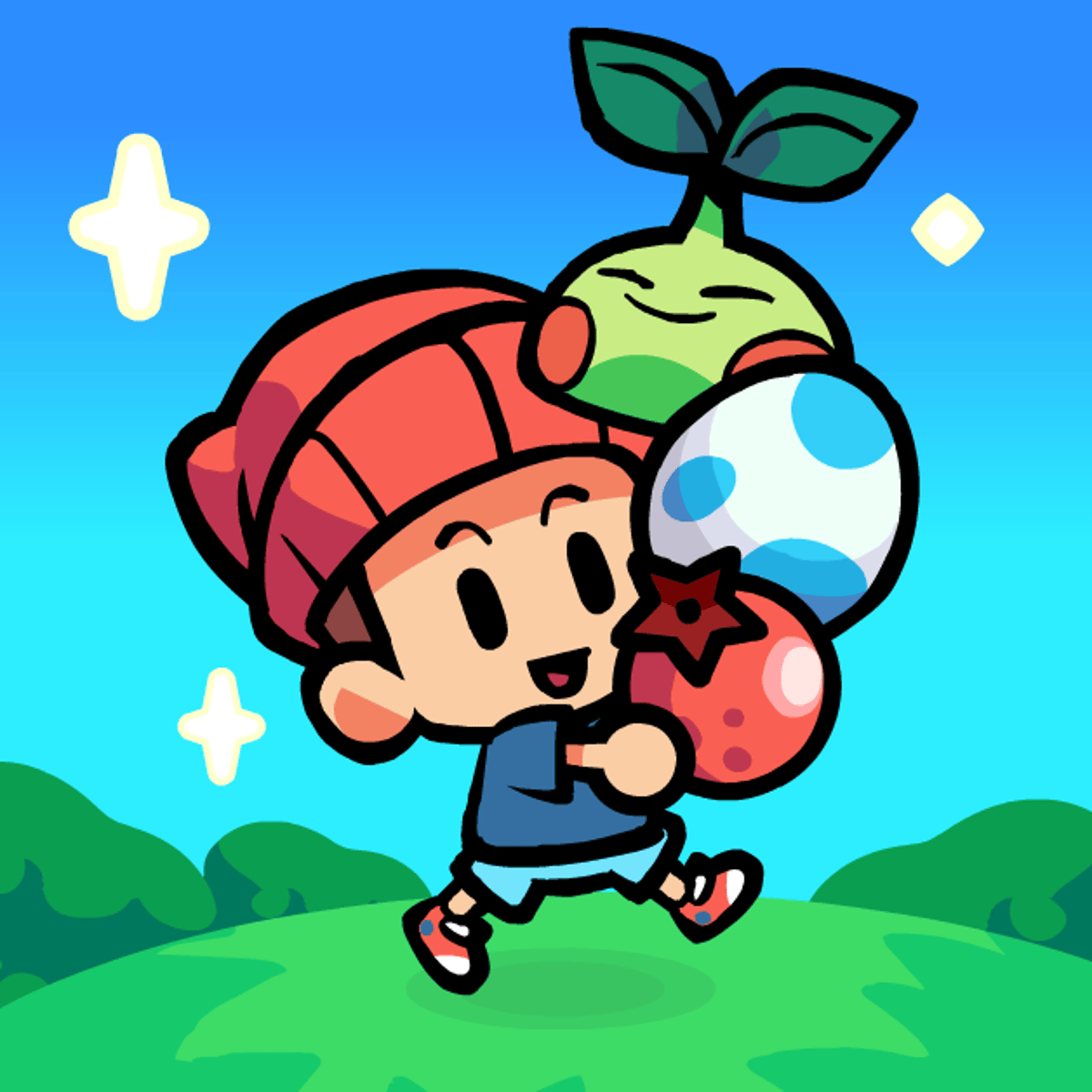
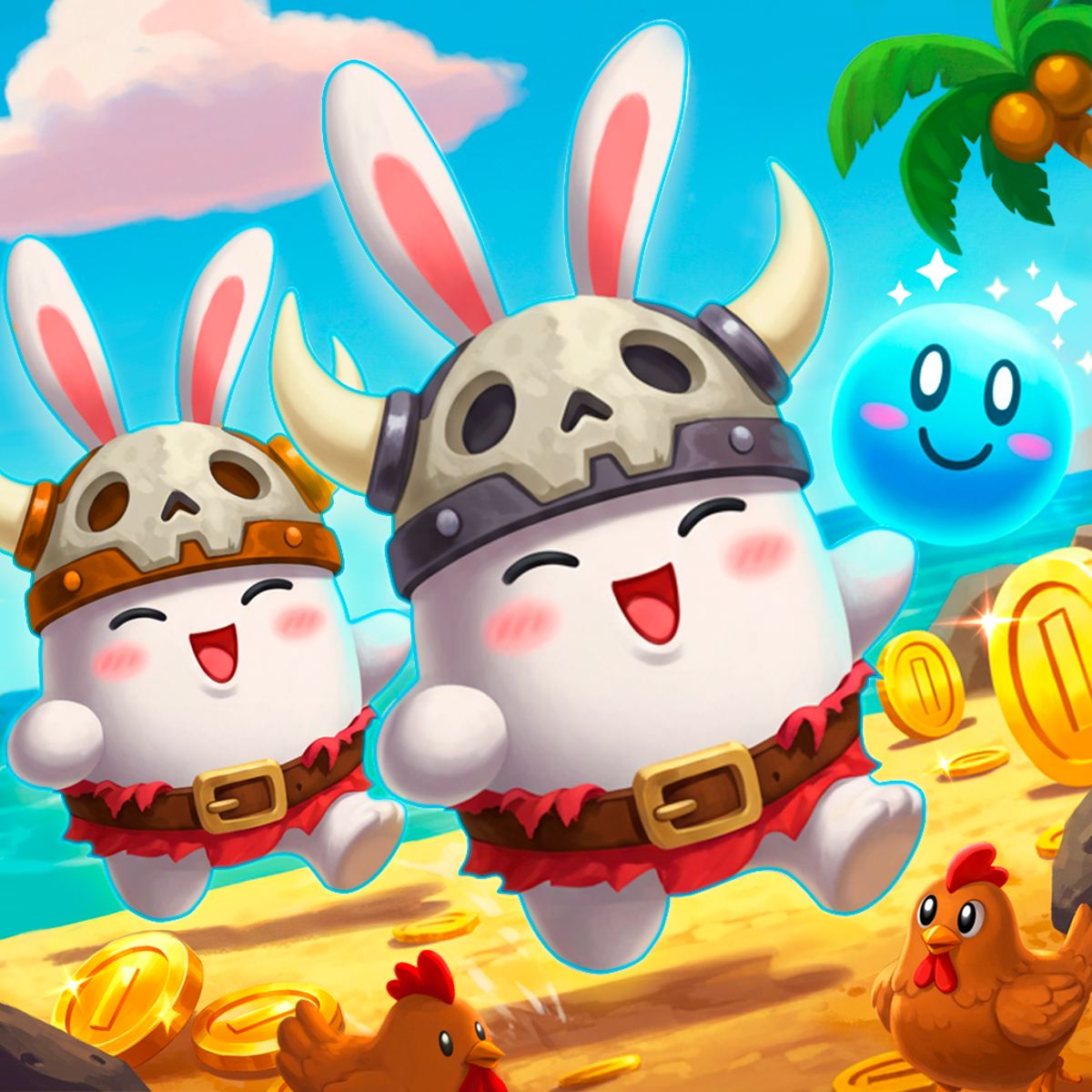
Watching a tiny, wobbling creature grow into something formidable is quietly satisfying. CombiMon, from developer Entrevero Games, taps into that feeling with a monster-raising loop that’s simple on the surface but surprisingly sticky once you get into it. You start with an egg, hatch it, and suddenly you’re responsible for a little pixelated friend that needs feeding, attention, and room to explore. The game doesn’t hand you a manual or a quest log; it lets you wander, figure things out, and build your own little monster family at your own pace.
What keeps people coming back is the slow burn of progression. Each monster you raise can evolve, lay new eggs, and expand your collection. The environments are small but dense with fruit trees, hiding spots, and the occasional rival monster to test your team against. It’s not a frantic action game or a deep RPG—it’s a cozy loop of walking, gathering, feeding, and watching numbers go up. And somehow, that loop is hard to put down.
The game launched in December 2024 and has been updated steadily, with the latest tweaks arriving in March 2025. Those updates have added new fruit types, a couple of hidden evolution paths, and a small beach area that wasn’t there at launch. It runs in a browser, works on both desktop and mobile, and doesn’t ask for a download or an account. You just click play and start hatching.
How to Play
The core objective in CombiMon is straightforward: hatch eggs, raise the monsters that come out, and eventually collect every creature in the monster album. There’s no final boss or ticking clock—you set your own goals, whether that’s maxing out a single monster or unlocking all the hidden forms. I’ve spent entire sessions just wandering the meadow, picking fruit, and watching my little green blob bounce around. It’s meditative in a way that few browser games manage.
Controls
On desktop, you move your character with the WASD keys or the arrow keys. That’s it for movement. Interacting with things—picking fruit, talking to other trainers, entering battle—is automatic when you walk into them. There’s no separate action button, which keeps things clean and fast. The joystick on mobile works the same way: drag it around to steer your character, and bump into things to trigger interactions.
On a phone or tablet, the virtual joystick appears on the left side of the screen. It’s responsive enough that you can guide your monster through narrow gaps between trees, though you might occasionally overshoot a fruit bush if you’re tapping too quickly. The game was clearly designed with touch in mind, so the controls never feel cramped. I’ve played it on an older Android tablet and had no issues with lag or missed taps. One thing to note: if you’re using a keyboard on desktop, holding down a key for a long time can make your character stutter a bit when you release it. That’s a minor quirk, not a dealbreaker.
Getting Started
When you first load the game, you’ll see a small grassy area with a few eggs scattered around. Walk into an egg to hatch it. A little monster will pop out—maybe a round blue one with stubby legs, or a green one with big eyes. It’s random, which adds a nice surprise factor. Once hatched, the monster follows you around. That’s your first companion.
Now you need to feed it. Look for fruit trees—they’re usually marked by bright-colored dots on the branches. Walk into the tree to knock fruit loose, then walk over the fruit to pick it up. Your monster will eat automatically when you’re near it, but you can also manually feed by opening the inventory (the button is usually in the corner) and selecting the fruit. Each fruit type gives different benefits: red fruits boost attack, blue fruits boost defense, yellow fruits boost speed, and green fruits boost health. There’s also a rare purple fruit that increases happiness significantly, but you won’t find it until you’ve explored a bit.
As your monster eats and levels up, it will grow bigger and eventually evolve into a new form. The evolution isn’t automatic; it happens when the monster reaches a certain level and you’ve met some hidden condition, like having a full happiness bar or visiting a specific location. For example, my first blue blob evolved into a water-type only after I fed it ten blue fruits in a row and then walked into the river in the forest zone. I had no idea that would trigger it—I just happened to be near the water when its hunger bar was full. Once evolved, the monster can lay an egg of its own, giving you a new generation to raise.
Battles
CombiMon includes turn-based battles against wild monsters and rival trainers. You’ll encounter them while exploring—they’re usually standing still or patrolling a small area. Walk into them to start a fight. Each monster in your party gets a turn to attack, defend, or use a special move. The moves are simple: a basic attack, a heal, and a few type-based abilities that work better against certain monsters. You can switch between your active monsters during battle, which is crucial when you’re facing a tough opponent.
Winning battles gives experience points and sometimes rare fruits or evolution items. Losing sends you back to the last safe area with no penalty except lost time, so there’s no real punishment for trying risky fights. That said, I’ve found that early battles against wild monsters in the forest are a good way to level up fast. The forest monsters are weak to fire-type moves, so if you’ve been feeding your monster red fruits, you’ll have an edge. Later, in the cave, rock-types are resistant to physical attacks but weak to water, so switching to a blue-fed monster makes a difference.
One battle mechanic that took me a while to notice: you can sometimes move your monster to a different spot on the field during a fight. If you’re near a water source, water-type moves deal extra damage. If you’re in a cave, rock-types get a defense boost. The background isn’t just decoration—it matters. I once lost a battle because I stood in a patch of sunlight (which boosts fire-types) while fighting a water monster. Pay attention to where you are.
Features
CombiMon isn’t packed with modes, but it has enough systems to keep you busy for a good while.
Monster Album
This is your collection tracker. Every monster you’ve seen or hatched gets a silhouette in the album. Filling the album is the closest thing the game has to a main goal. There are around 30 different monsters, each with multiple evolution stages. Some are only obtainable through special conditions—like feeding a monster a specific fruit ten times in a row, or hatching an egg in a certain biome. The album doesn’t tell you how to unlock them, so you have to experiment or share tips with other players.
For instance, I spent three days trying to get a ghost-type monster. Turns out, you need to hatch an egg in the cave while your party has a monster with a happiness stat above 90. The album just shows a question mark. Once you figure it out, though, it feels great. The album also has a completion percentage that unlocks bonuses: at 25% you get a permanent speed boost, at 50% you get a special fruit that appears daily in the meadow, and at 100% you get a unique cosmetic for your character. It’s a solid incentive to keep exploring.
Evolution and Breeding
Evolution isn’t a simple level-up. Each monster has two or three possible evolved forms, and which one you get depends on how you raised it. A monster fed mostly red fruits might evolve into a fire-type, while one fed blue fruits becomes a water-type. You can also breed two evolved monsters to get an egg that might hatch into a hybrid form. Breeding is a gamble—you don’t know what you’ll get until the egg hatches—but it’s the only way to get some of the rarer creatures.
I once bred a fire-type with a water-type and got a steam-type hybrid that had both parents’ move sets. It was stronger than either parent and had a unique blue-and-red color scheme. Breeding also has a cooldown—you can only breed a monster once every 24 hours, which prevents you from spamming eggs. If you want a specific hybrid, you need to keep careful track of which fruits you fed each parent. The game doesn’t log that for you, so I keep a small notebook on my desk.
Exploration Areas
The game world is divided into several small zones: a starting meadow, a forest, a beach, a cave, and a snowy mountain. Each area has its own fruit trees, wild monsters, and hidden eggs. You unlock new areas by raising a monster to a certain level or by finding a key item. The cave, for example, requires a monster with at least 50 strength to break the boulder blocking the entrance. Exploration is simple—just walk around—but each zone has secrets like buried items or rare fruit that only appear after you’ve visited a certain number of times.
The beach zone has a hidden cave behind a waterfall. You have to walk through the waterfall while holding a specific fruit (I forget which, but it’s a blue one) to reveal the entrance. Inside, there’s a rare egg that hatches into a water/flying hybrid. The forest has a tree that only drops fruit at night (in-game time). The snowy mountain has a patch of ice where you can slide to a secret area with a chest containing a permanent stat boost. The game rewards curiosity—walk into walls, try to go behind objects, revisit areas after your monsters evolve. I’ve found three hidden items just by bumping into seemingly solid walls.
No Microtransactions
Everything in CombiMon is earned through gameplay. There’s no premium currency, no energy system, no waiting timers. You play as much as you want, and every monster is obtainable without spending real money. That’s refreshing in a browser game. I’ve seen too many free-to-play games that gate content behind paywalls or force you to watch ads every five minutes. CombiMon doesn’t do that. The only ads are between sessions or when you lose a battle, and they’re short and skippable after a few seconds. It’s a model that respects your time.
Tips and Strategies
After a few hours with CombiMon, you’ll notice patterns. Here’s what actually works.
Feed a single monster first. It’s tempting to hatch every egg you find and try to raise them all at once. Don’t. Focus on one monster until it evolves. A fully evolved monster is much stronger in battle and can lay eggs that hatch into higher-level babies. Once you have a strong lead monster, you can use it to protect weaker ones while you grind. I made the mistake of hatching three eggs on my first day and ended up with three underfed babies that couldn’t win a single fight. It took twice as long to get anywhere.
Learn fruit colors. Each fruit color corresponds to a stat: red for attack, blue for defense, yellow for speed, green for health. If you want a specific evolution path, stick to one color. Mixing fruits gives you a balanced monster, but it also makes evolution unpredictable. For breeding, you want pure-statted parents to increase the chance of a hybrid. I keep a stash of each color in my inventory and only feed the color I’m targeting for that monster. It’s a bit obsessive, but it works.
Battle everything early. Even if you lose, battles give experience. The first few fights are easy, and the experience helps your monster level up faster than just feeding. Plus, winning battles sometimes drops evolution stones, which are rare otherwise. I make a point of fighting every wild monster I see in a new area, even if I know I’ll lose. The experience adds up, and you learn the enemy’s moves. One tip: if you’re low on health, you can retreat from a battle by pressing the flee button (it’s a small icon in the corner). Fleeing doesn’t give experience, but it saves your monster from fainting.
Use the environment. In battles, you can sometimes move your monster to a different spot on the field. If you’re fighting near a water source, water-type moves do more damage. If you’re in a cave, rock-types get a defense boost. Pay attention to the background—it matters. I’ve won fights I should have lost just by moving to a patch of grass (which boosts grass-types) or standing under a waterfall (which heals a bit of health each turn). Experiment with positioning.
Breed for rarity. Once you have two evolved monsters of different types, breed them. The egg might hatch into a hybrid that has both parents’ move sets. Hybrids are usually stronger and have unique appearances. It’s worth the effort. I bred a fire and water monster and got a steam-type that could use both fire and water moves. It made the mountain zone much easier. Just remember that breeding has a 24-hour cooldown per monster, so plan ahead.
Don’t ignore happiness. Each monster has a hidden happiness stat. You raise it by petting them (click or tap on them when they’re following you) and by feeding them their favorite fruit. Happy monsters evolve faster and sometimes learn special moves. If your monster isn’t evolving despite being high level, check its happiness. I had a level 25 monster that wouldn’t evolve until I spent five minutes petting it and feeding it purple fruits. Then it evolved immediately. Happiness also affects battle performance—a happy monster deals slightly more damage.
Explore every corner. The beach zone has a hidden cave behind a waterfall. The forest has a tree that only drops fruit at night (in-game time). The snowy mountain has a patch of ice where you can slide to a secret area. Walk into walls, try to go behind objects—the game rewards curiosity. I found a hidden evolution item by bumping into a rock in the meadow ten times in a row. There’s no indicator, just persistence.
Common Mistakes
New players often hit a wall because of a few simple missteps.
Overfeeding. Yes, you can overfeed a monster. If its hunger bar is full and you keep shoving fruit into it, the monster gets sluggish and its speed stat drops temporarily. Wait until the hunger bar is at least half empty before feeding again. You can check the bar by opening the monster’s stats page. I learned this the hard way when my monster started moving in slow motion. It lasted about 10 minutes of real time before the speed returned.
Ignoring the album. The monster album isn’t just a trophy case. Completing sections of the album unlocks bonuses: a permanent attack boost, a faster walking speed, or a special fruit that appears in the starting area. Check the album regularly to see what you’re missing. I ignored it for the first week and missed out on a speed boost that would have saved me a lot of walking. Now I check it every time I hatch a new monster.
Skipping battles. Some players treat CombiMon as a pure raising sim and avoid combat. That’s fine for a while, but you’ll eventually need battle items that only drop from fights. You also need to win battles to unlock the mountain zone. Don’t skip them—even losing gives you something. The mountain zone requires you to have won at least 20 battles, and the gatekeeper checks your win count. I had to go back and grind fights I’d been avoiding.
Hatching too many eggs at once. Each egg takes up a slot in your party. If you hatch five eggs at once, you’ll have five babies that all need feeding and attention. It becomes a chore. Hatch one, raise it to at least its first evolution, then hatch another. I once had six babies following me around, and feeding them all took so long I almost quit. Now I keep a strict one-baby-at-a-time rule.
Not using the joystick on mobile. On phone, some players try to tap the screen to move. That doesn’t work. You have to use the virtual joystick. It takes a minute to get used to, but once you do, movement is smooth. I’ve seen forum posts from people who thought the game was broken because they couldn’t move. The joystick is your friend.
FAQ
How do I get new monsters?
You find eggs scattered around the world, usually in hidden spots or after defeating a wild monster. You can also breed two evolved monsters to get an egg with a random hybrid. Some eggs are only available after completing certain album milestones.
Can I play CombiMon offline?
No, it’s a browser game that requires an internet connection. There’s no downloadable version. I wish there were, but the game saves to the server, so you can pick up where you left off on any device.
Is CombiMon free? Are there ads?
Yes, it’s completely free to play. There are ads between sessions or when you die in battle, but they’re short and skippable after a few seconds. No forced video ads. I’ve never felt pressured to pay for anything.
How do battles work on mobile?
Same as desktop. You walk into an enemy to start a turn-based fight. Tap the action buttons (attack, heal, switch) that appear on screen. The controls are touch-friendly. I actually prefer mobile for battles because the buttons are bigger than on desktop.
What happens when a monster dies?
Monsters don’t permanently die in CombiMon. If you lose a battle, you retreat to the last safe area with your monsters at low health. You can heal them by feeding fruit or resting at the starting meadow. No permadeath. This takes the stress out of risky fights.
How do I get the purple fruit?
Purple fruit appears randomly in the forest after you’ve filled 10% of the album. It’s rare, but you can increase the drop rate by having a happy monster in your party. I’ve only found three in 20 hours of play.
Can I trade monsters with other players?
Not yet. The developer has mentioned trading as a future feature in the March 2025 update notes, but it’s not implemented. For now, you’re on your own.
---
CombiMon is one of those games that doesn’t try to be everything at once. It gives you a small world, a few creatures, and a reason to keep coming back. The lack of pressure makes it easy to pick up for ten minutes or an hour. And when you finally fill that last slot in the monster album, it feels earned. I’ve been playing for a couple of months now, and I still haven’t seen every monster. That’s fine—it gives me something to look forward to when I open the browser. It’s a quiet, patient game, and that’s exactly what I need after a long day.