

Ping Pong Go!
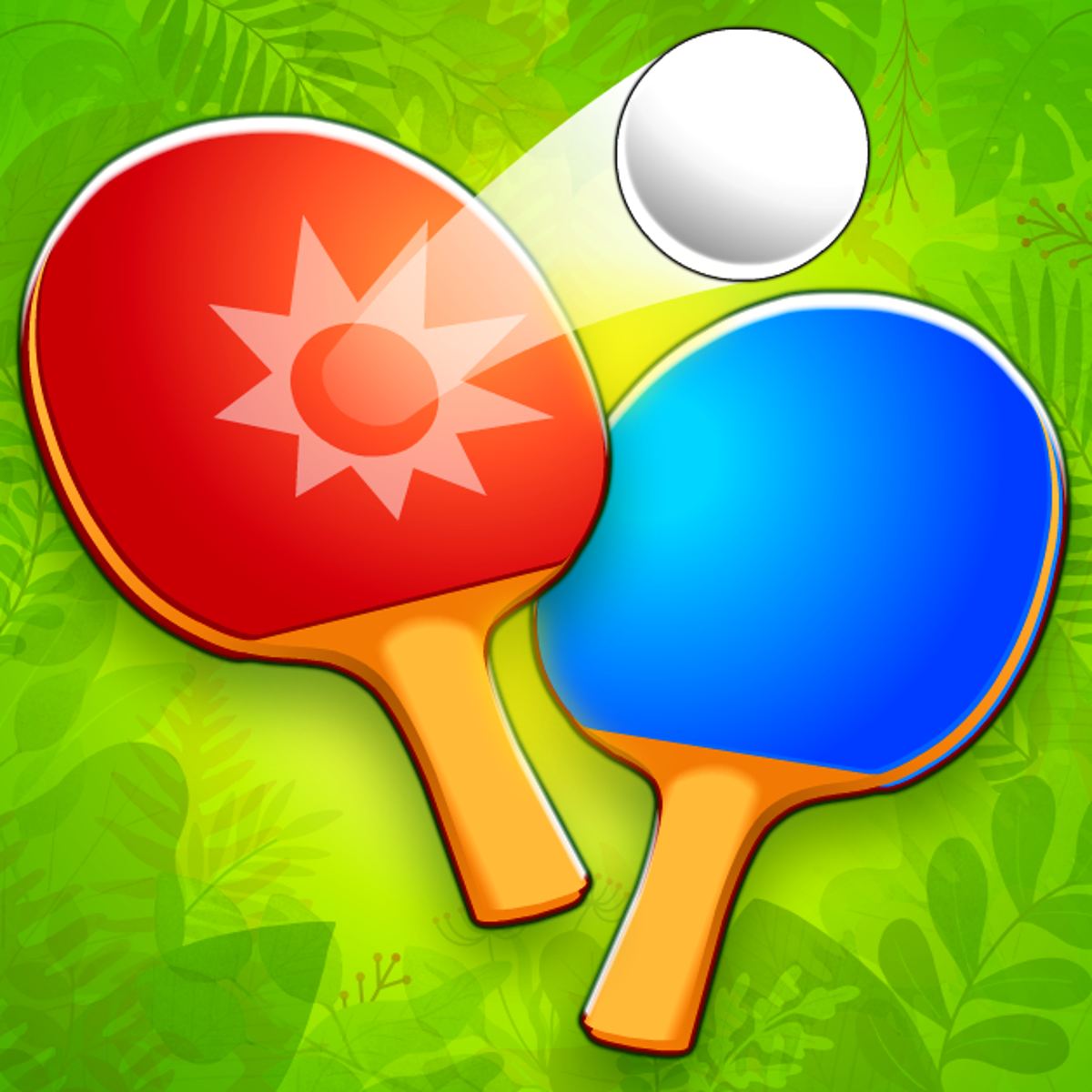
Virtual ping pong has been around, but Ping Pong Go! takes the familiar paddle-and-ball setup and turns it into a fast-paced arcade game with surprising depth. Developed by Happylander Ltd, it’s built on simple controls that you grasp in seconds, yet the mechanics underneath keep you hooked match after match. The draw is its variety: you can play a classic points duel, race the clock in Arcade mode, or smash bugs in a hilarious side challenge. It respects your time with quick sessions, but there’s real progression here. Every match earns gems for unlocking new paddles, giving you a tangible goal while you chase that perfect rally.
How to Play
The core objective is simple: return the ball. The execution is where the game gets interesting. Controls are designed for immediate play, translating physical intuition into the digital space.
On Desktop: You move your paddle with the mouse. No clicking is required—your paddle automatically hits the ball if it’s in the right position. This design forces you to focus on placement and timing. The ball’s return path depends on three things: where it strikes your paddle, how fast you’re moving the paddle at impact, and the ball’s own spin and speed. For example, meeting a topspin shot with a stationary paddle sends it back with a high arc. Sweeping your paddle back on contact lets you “deaden” it for a soft drop shot. Mastering these variables is what elevates the game from a simple reflex test to a strategic duel.
On Mobile/Tablet: The principle is identical, but with touch controls. Tap and drag your finger horizontally along the bottom screen edge to move the paddle. The controls are responsive and intuitive. One practical tip: keep your finger slightly below the paddle graphic to avoid blocking your view of the ball’s trajectory. The physics engine is satisfying. Learning to read the dip of a smash or the float of a lob is your first step from beginner to contender.
Game Modes
This is where the game’s personality comes through. Each mode offers a distinct rhythm and serves a different purpose, whether you’re warming up, drilling a skill, or just blowing off steam.
- Classic Mode: This is the pure, unadulterated test of skill. You play a standard match to 11 points (win by two) against an AI opponent. It’s the perfect arena for a focused, strategic duel. The AI isn’t static; it adapts. Early on, it might return balls to the center and make occasional errors. As you climb, it starts targeting corners, varying spin, and punishing weak returns. This smart scaling keeps the mode fresh. It’s the best place to understand the core game: the constant battle between placement and power.
- Arcade Mode: Here’s the source of the “one more try” addiction. Instead of a continuous match, you face a series of bite-sized levels with specific, often tricky, objectives. You might need to score 5 points in 60 seconds, survive for 30 seconds against an accelerating AI, or hit the ball into glowing targets that appear on the table. The design is genius. Early levels gently introduce time pressure and precise shots. Later levels become genuine puzzles—like having to score by clipping the very edge of the table, demanding millimeter-perfect control. This mode is fantastic for isolating and drilling specific techniques in a high-pressure context.
- Bug Hunt: A wildly fun twist that doubles as a reflex trainer and a palate cleanser. Bugs replace the ball, crawling across your side of the table. Slow black beetles, fast green ones, and tough cockroaches that need two hits all appear from the edges with erratic paths. Your job is to click or tap them quickly. It’s a raw test of target prioritization, accuracy, and reaction time. Do you pick off the easy beetle or risk missing to swat the fast one? The mode is a hilarious, frantic break from traditional play, and the gems you earn are just as useful for buying new rackets.
- Online Mode: Ready for a real challenge? This mode pits you against another live player worldwide in a ranked match. The tension of a one-on-one online duel is unmatched. The netcode is generally reliable for a browser game, with lag rarely affecting outcomes. Victory is sweet, but defeat is a great teacher. Human opponents are infinitely more creative and unpredictable than the AI. You’ll encounter mind games—like an opponent holding their paddle far to one side to bait you, only to flick a last-second return. This is where you learn the psychological layer of the game and earn your bragging rights.
Tips and Strategies
Improving at Ping Pong Go! isn’t about wild swings. It’s a game of anticipation, geometry, and controlled touch. Here’s how to think and play like a pro.
Placement Over Power. Stop hitting it back to the middle. Your goal is to make your opponent move. Aim for the corners, right along the side and end lines. Force a stretched, off-balance return. In Classic and Online play, a well-placed shot often wins the point outright. Try this mental drill: after your opponent’s shot, visualize two small targets—back left corner and back right corner. Your immediate goal is to hit one. This simple focus will dramatically increase the pressure you apply.
Understand Paddle Zones. Where you hit the ball on the paddle changes everything. Think of it in three zones. Using the outer edge (the “wing”) creates sharp, cross-court angles. Hitting the center (“sweet spot”) gives a straight, powerful, and predictable return. Striking near the handle produces a weaker, sometimes awkward shot. Practice this in Arcade’s target levels. Aim for a back-left target using your paddle’s right wing. This knowledge gives you surgical control over placement.
Patience Wins Points. It’s tempting to smash every ball. Resist. Against tough AI or skilled online players, consistent, controlled returns are king. If an opponent is hammering the ball, use soft blocks to absorb their pace. A stationary paddle can drop the ball short, forcing them to scramble forward. Let your opponent make the error. Keep the ball in play and wait for a weak, short return to put away with a precise placement.
Bug Hunt is Training. Don’t just treat it as a mini-game. Dedicate time to Bug Hunt. The rapid-fire targets sharpen your reaction time, hand-eye coordination, and ability to scan the entire screen. That skill translates directly to ping pong, helping you track the ball and your opponent’s paddle position simultaneously.
Experiment with Rackets. Use your gems. Unlock new rackets. While there are no complex stat differences, rackets vary in visual flair, sound, and the subtle feel of their feedback. A smaller-looking paddle face might subconsciously encourage more careful aim. Find one you like. The process of unlocking them also provides a great sense of progression and a clear goal.
Have a Serve Plan. In Classic and Online modes, you serve every other point. Don’t rush it. Take a second to set your paddle position and decide your first shot pattern. Serving to their backhand with the intent to attack the next ball to their forehand corner? Having any plan, even a basic one, puts you in the driver’s seat from the first stroke.
Common Mistakes
New players fall into predictable traps. Spotting these early will accelerate your improvement.
The biggest mistake is chasing the ball instead of anticipating it. Beginners move their paddle to where the ball is, not where it’s going. This always leaves you a half-step late. The fix is to watch your opponent’s paddle face at the moment of contact. Its angle tells you the shot’s direction. Before the ball crosses the net, you should already be moving to intercept its path. In Arcade mode, watch the launch angle of the machine’s shooter.
Another common error is neglecting the soft touch. There are many times when a soft, controlled block is the smartest play—especially against a fast, deep shot. Trying to smash every ball back often results in net errors or hits off the back. If you’re stretched wide, a gentle return that just clears the net is a winning shot because it resets the rally to neutral.
Many players avoid other modes. Sticking only to Classic limits your growth. Arcade mode forces you to execute under pressure and with specific objectives. Bug Hunt hones raw reflexes. Online mode teaches you the beautiful chaos of human opponents. A well-rounded player uses all the game’s tools. Think of each mode as a different workout for the same core skills.
Finally, playing without a goal. It’s easy to volley mindlessly. To improve, set micro-goals for your sessions. “This Classic game, I’ll only score by aiming for corners.” “I’ll beat Arcade level 15 before I quit.” “In my next Online match, I’ll focus on soft blocks for the first five points.” This transforms casual play into deliberate practice.
FAQ
Who developed Ping Pong Go!?
The game was created by Happylander Ltd, a developer known for accessible, well-crafted browser games.
Is it really free to play?
Yes. Ping Pong Go! is completely free on portals like Poki. There are no mandatory payments or energy gates. You earn gems through gameplay in all modes to unlock cosmetic items, like new rackets. There’s no pay-to-win element.
Can I play it on my phone?
Absolutely. The game runs smoothly on computers, phones, and tablets through a modern web browser. No downloads are needed. The touch controls are fully adapted to offer the same depth as the mouse version.
What’s the best mode to start with?
Begin with Classic mode. A few matches against the initial AI will teach you the basic controls and ball physics. Don’t focus on winning yet—just get your paddle to the ball. Once comfortable, try Arcade mode to challenge yourself with faster scenarios and specific objectives. Bug Hunt is perfect for a fun break that also sharpens your reflexes and earns you gems.
Are there multiplayer modes besides online play?
The main competitive multiplayer is the 1v1 Online mode. The game is focused on competing against AI or other online players. There is no local multiplayer on a single device, as the control scheme is designed for one player per screen.
What are gems for?
Gems are the in-game currency, earned by playing any mode. Their only use is to unlock new racket skins in the store. They provide no gameplay advantage, serving as a cosmetic reward and a record of your playtime and skill.
It’s a prime example of what makes browser gaming great: a simple, polished concept that’s a click away, yet deep enough to keep you engaged for a long time.