








Who Is?
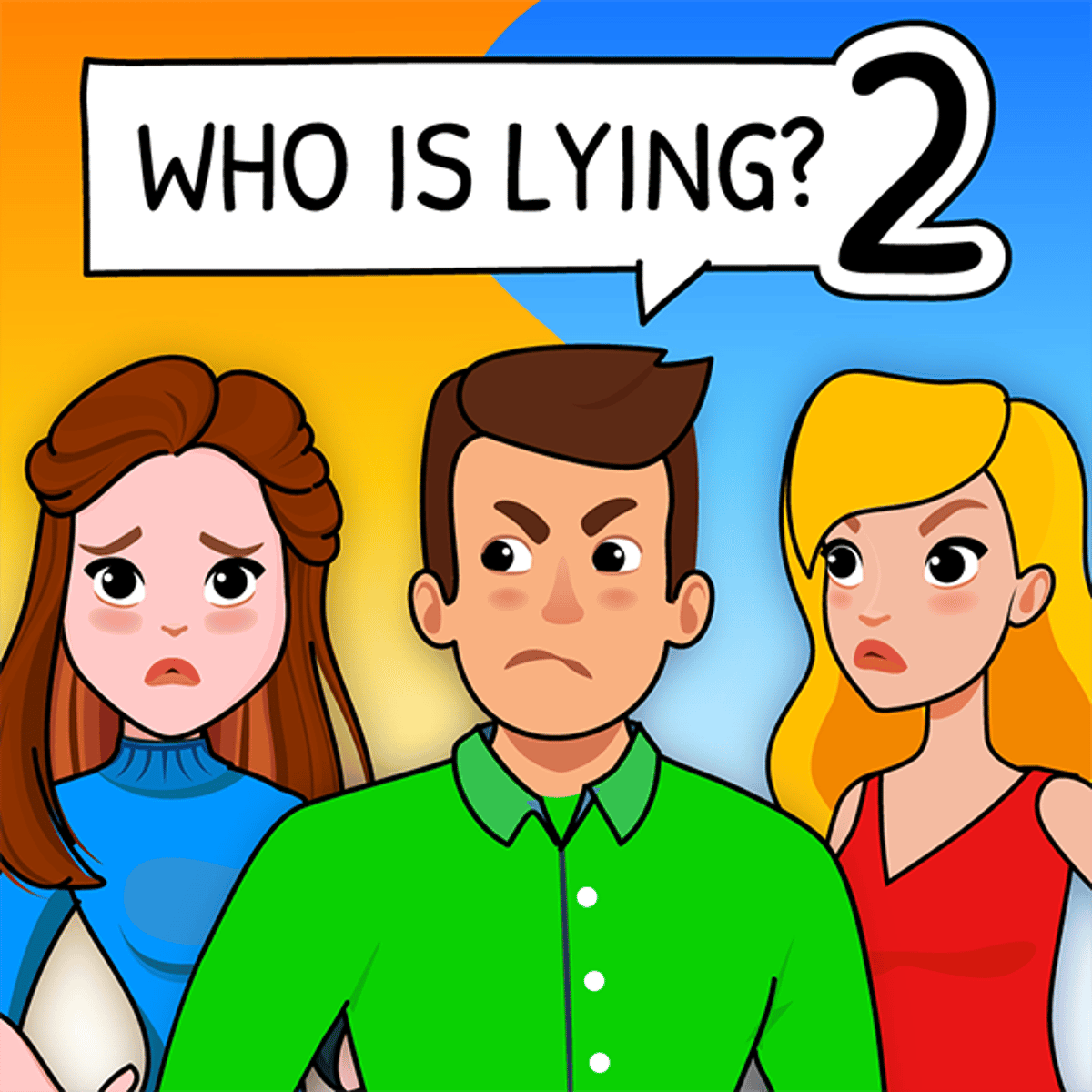
Who Is? from Unico Studio is a puzzle game that’s easy to pick up but hard to put down. It’s built on a simple premise: you’re given a scene and a question, and you have to find the answer by tapping on the right clue. Over a hundred short mysteries are waiting, each one a little test of observation and logic. There are no reflexes or complex controls involved—just you, the image, and the puzzle. The appeal is immediate, and it’s no surprise the game holds a strong rating with millions of players.
The design is straightforward and cartoonish, with clues that are cleverly placed. Each level is its own mini-mystery, from spotting a liar to catching a cheater in a classroom. The real hook is the “just one more” feeling you get after solving one. You can play for a couple of minutes or lose an hour without noticing. It’s a game that respects your time while constantly tempting you to try another puzzle.
How to Play
The goal in every level of Who Is? is the same: figure out which person or object matches the clue given at the top of the screen. The entire game revolves around tapping or clicking to inspect parts of the image.
Controls:
- On Desktop: Click your mouse on anything in the scene that looks relevant. It could be a person, a piece of furniture, or a small detail on the wall.
- On Mobile (Phone/Tablet): Tap the screen with your finger. The controls are optimized for touch, so it feels responsive and intuitive.
When you tap the correct clue, the puzzle solves. Tapping the wrong spot might show a question mark or just do nothing. There’s no timer, so you can look for as long as you like. After you solve it, you move to the next puzzle. As you solve more, you build a streak and earn coins. Those coins can be traded for hints when you’re completely stuck.
Tips and Strategies
Getting better at Who Is? is about slow, careful observation, not speed. Here’s how to think your way through the puzzles.
Read the question carefully. Is it “Who is the liar?” or “Who is the real mother?” That wording is everything. A liar might have something in their pocket that contradicts their story. A real mother might be shown with a child’s drawing or a baby item.
Look at the people first. The answer is usually one of the characters. Check their expressions, clothes, accessories, and posture. Look for things that don’t fit. In a “spot the cheater” puzzle, someone might have answers written on their arm or a cheat sheet peeking from a sleeve.
Don’t forget the background. Sometimes the key clue is hidden elsewhere. A television turned off might show a reflection of the thief. A clock showing an impossible time can be a red flag. The game loves to hide things in plain sight.
Use elimination. If three suspects have visible proof of their alibi—like a work uniform or a tool for a hobby—focus on the person whose story doesn’t match the visual evidence. And if you’re really stuck, using coins for a hint is a smart move. The hint system is fair and keeps the fun going.
Common Mistakes
New players sometimes make the game harder for themselves by falling into a few traps.
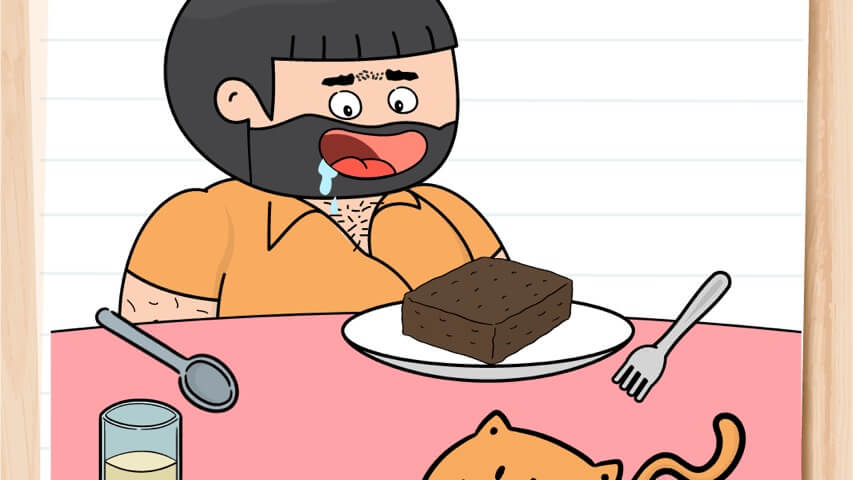
Overthinking simple puzzles. Some levels are tricky, but many are built on straightforward, almost cartoonish logic. If the question is “Who stole the cookies?” and one character has chocolate all over their face, that’s probably your answer. Don’t look for a complex conspiracy when the clue is obvious.
Tapping randomly out of frustration. You might get lucky and solve it, but you won’t learn anything. The satisfying part of the game is working out the clue. If you’re stuck, pause, re-read the question, and scan the image carefully from one side to the other.
Hesitating to use hints. Some players save coins indefinitely, waiting for a perfect moment. But the levels aren’t connected. Using a hint on a puzzle that’s blocking your progress is a great way to use your resources. The point is to enjoy yourself, not get stuck on one level for too long.
FAQ
*Q: Can I play Who Is? with friends?*
A: It’s a single-player game. That said, it’s fun to play with someone sitting next to you, debating who you think is guilty or pointing out clues you might have missed.
Q: What if I can’t solve a puzzle?
A: Take your time—there’s no time limit. If you want help, spend some of your saved coins on hints. The first hint might highlight a clue you overlooked, and a second will often give you the answer.
Q: Does the game get harder?
A: Yes. Early levels usually have one obvious clue. Later puzzles might require you to piece together multiple pieces of evidence or notice very small details in the artwork.
Q: Are the controls different on phone versus computer?
A: The main action is the same: tapping or clicking. The layout adjusts to fit your screen. On a phone, you might need to zoom in on larger scenes using a pinch gesture if that feature is available.
*Q: Who developed Who Is?, and are there similar games?*
A: It’s made by Unico Studio, the team behind the Brain Test series. If you like this style of visual puzzle and tricky questions, their other games like Brain Test: Tricky Puzzles and Who Is? 2 offer a similar kind of challenge.
Who Is? is a neat package of brain teasers that shows you don’t need flashy graphics or a deep story to make a compelling game. Sometimes, a good question and a scene full of hidden details are all you need.