


Clash of Cards
Ever wanted a card game that feels like a real fight? Clash of Cards might be it. This strategy card battler doesn’t just plop cards on a table and wait for numbers to tick down. It throws you onto a circular battlefield where every play matters—a well-timed shield can save your skin, and a greedy attack can leave you wide open. Developed by Toonminator (the folks behind Push Titans), the game has quietly earned a solid 4.4 rating on Poki. Spend a few rounds with it and you’ll see why.
The core loop is simple: take turns slinging cards, trying to reduce the opponent’s health to zero. The twist is the arena itself. It’s not a static board—it’s a dynamic circle where positioning and timing add a layer of tension that pure number-crunching games lack. You’re not just playing cards; you’re reacting, anticipating, and sometimes praying your opponent doesn’t have that one card that ruins your whole plan. It’s fast, tight, and rewards players who think a couple of moves ahead.
What keeps me coming back isn’t just the gameplay—it’s the feeling of outsmarting someone. Baiting a big attack and throwing up a shield at the last second, or chaining two cards your opponent clearly didn’t see coming—that’s the good stuff. Clash of Cards delivers those moments regularly, without requiring you to grind for rare cards or watch ads between matches. It’s a pick-up-and-play game that respects your time, and that’s rarer than you’d think.
How to Play
Objective: destroy your opponent before they destroy you. Each player starts with a set amount of health; reduce it to zero. Attack cards deal damage, defense cards block or mitigate. The catch? You can only hold so many cards in hand, and you have to manage energy (or mana—the game keeps it simple) to play them.
On desktop, you control everything with the mouse. Click a card in your hand to select it, then click the battlefield (or your opponent’s side) to play it. On a touchscreen—phone or tablet—just tap. The interface is clean and responsive; no fiddly drag-and-drop that misbehaves on small screens. The game was clearly designed with mobile in mind, but it plays just as well on a laptop.
Each turn, you draw a card (unless your hand is full) and then play as many cards as your energy allows. Energy refreshes every turn, so you’re never stuck hoarding resources for long. The key decision is whether to go aggressive and dump all your energy into attacks, or hold back and save some for a defensive card. That choice is the heart of the game.
The battlefield is circular, and your cards affect the area around you or your opponent. Some hit a wide arc; others are single-target precision strikes. Shields create a temporary barrier that absorbs a set amount of damage. You’ll also find special cards that heal, stun, or buff your next attack. The variety isn’t enormous, but each card has a clear role, and deck-building (if you can call it that—the game gives you a fixed set of cards per match) revolves around finding synergies.
Features
Clash of Cards isn’t overloaded with modes or gimmicks, and that’s part of its charm. You get a single-player campaign where you face a series of AI opponents with increasing difficulty. Each opponent has a slightly different playstyle—some are aggressive, some defensive, some love to spam healing cards. The campaign is short enough to finish in an afternoon, but the AI is decent enough that you’ll lose a few times before figuring out the right approach.
There’s no multiplayer mode (at least not in the current version), but the AI does a good job of simulating a real opponent. It doesn’t cheat—no extra card draws or hidden advantages—it just plays smart. Every loss is a learning opportunity, not a frustration.
The game also tracks your win streak and best scores, adding a tiny competitive hook. Nothing deep, but enough to make you want to replay a match when you lose by one hit point.
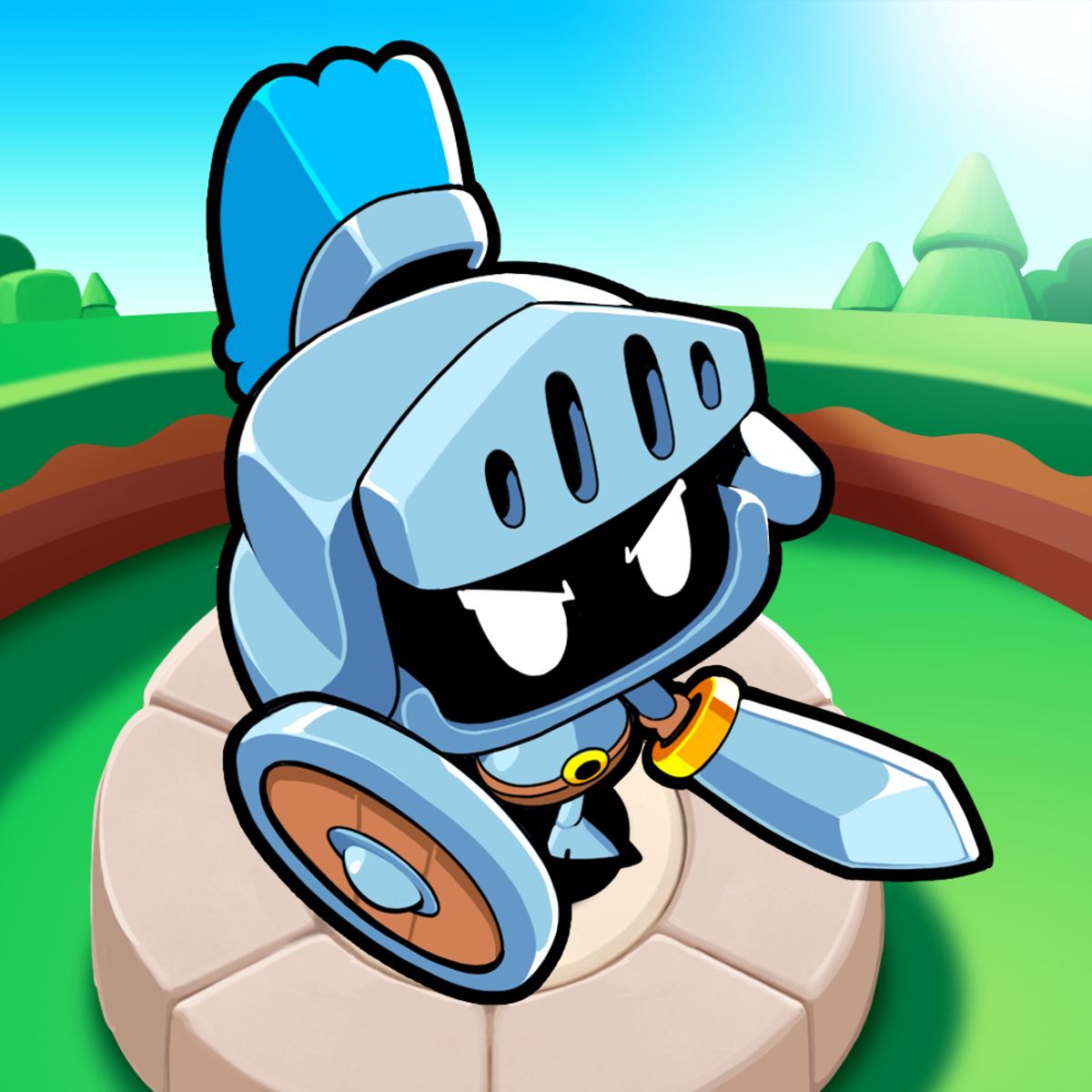
Visually, Clash of Cards is clean and colorful. The card art is simple but expressive—cartoonish characters and weapons that pop against the dark arena background. Animations are snappy: attacks fly across the circle, shields shimmer, and health bars chunk down satisfyingly. It’s not a looker like some premium card games, but it runs smoothly on any device and doesn’t clutter the screen.
Tips and Strategies
The biggest mistake new players make is thinking they should always play their strongest card. In Clash of Cards, holding a card can be more powerful than playing it. If you have a 5-damage attack in hand but only 3 energy, you might be tempted to wait. But sometimes playing a weaker attack is better because it forces your opponent to waste a shield early. Then, next turn, you drop the big one when they have no defense left.
Pay attention to the order of your cards. The game doesn’t shuffle your deck every match—it gives you a fixed hand at the start. So you know what’s coming. Plan around that. If you know you have a heal card two turns from now, you can afford to take some damage early. If you know you have a huge attack coming, save your energy for that turn and play defensively until then.
Shields aren’t just for blocking—they’re psychological tools. If you throw up a shield on a turn when your opponent has low energy, they might waste a card trying to break it, or they might skip their turn. Either way, you gain an advantage. Use shields to bait out attacks, not just to survive.
Don’t neglect the “pass” option. Sometimes the best play is to do nothing. If your opponent is holding a full hand and you pass, they might be forced to discard a card at the end of their turn. That can be devastating if they were saving a combo. Let them overdraw.
Lastly, learn the AI patterns. The computer opponents have tells. For example, the aggressive one always attacks if it has more than 3 energy. The defensive one will never play an attack if it has a shield in hand. Exploit these tendencies. Once you know what the AI will do, you can counter it every time.
Common Mistakes
Overcommitting to offense is the number one cause of early losses. Players see their opponent’s health low and go all-in, only to get wrecked by a counterattack on the next turn. Always keep a shield or a heal in reserve if possible. Even if you win the trade, you might be left with 1 HP and then lose to a random card draw.
Another mistake is ignoring the card draw mechanic. You draw one card per turn, but only if you have fewer than the maximum hand size. If you’re holding a full hand of seven cards, you don’t draw. That means you’re stuck with what you have while your opponent gets fresh options. Play cards down to make room for new ones, even if they’re not ideal.
New players also underestimate the value of low-cost cards. A 1-energy attack that deals 2 damage might seem weak, but it’s efficient. Over three turns, that’s 6 damage for 3 energy, same as a single 6-damage card. The difference is flexibility: you can weave small attacks around shields and heals more easily.
Finally, don’t panic when your health drops. The game gives you comeback mechanics. If you’re below half health, your card draw rate increases slightly (this isn’t stated explicitly, but experienced players notice it). Use that to your advantage. Stay calm, play your best cards, and you can turn a losing position around.
FAQ
Is Clash of Cards free to play?
Yes, it’s completely free. You can play it on Poki without any paywalls or microtransactions. No ads during matches either, which is a nice touch.
Can I play on my phone?
Absolutely. The game works on both desktop and mobile browsers. The touch controls are smooth, and the interface scales well to smaller screens.
Does the game have multiplayer?
Currently, it’s single-player only. You fight against AI opponents in a campaign. There’s no PvP mode, but the AI is challenging enough to keep you engaged.
How long is the campaign?
It’s relatively short—about 15–20 matches. But the difficulty ramps up, so you might replay earlier levels to practice. The whole thing can be finished in a couple of hours.
Will there be updates?
The game was last updated in June 2026, and the developer, Toonminator, has a track record of supporting their games. It’s possible new cards or modes could be added, but nothing has been announced.
---
Clash of Cards isn’t trying to reinvent the genre. It’s a focused, well-made card battler that respects your time and gives you real strategic decisions without drowning you in complexity. If you’ve got ten minutes and want to feel clever, give it a shot. Just don’t blame me when you lose to that one shield card you forgot about.