




Solitaire Reverse
You’ve probably played Klondike solitaire a thousand times. Stack red on black, build up from Ace, and hope you get a decent draw. Solitaire Reverse flips that expectation, and the small twist makes all the difference. Instead of moving cards in ascending order, you’re building downward. It sounds simple, but it changes how you think about every hand. DrMop Games—the same folks behind Solitaire Golf and Australian Patience—released this one back in August 2020, and it’s quietly become a favorite for people who want the familiar click-and-drag comfort of solitaire without the same old routine.
The core appeal is the moment it clicks: you realize a move that would be illegal in standard solitaire is exactly what you need here. Same deck, same tableau, but the rules are mirrored. If you’ve ever gotten stuck in regular solitaire because you ran out of places to put cards, this version gives you a second chance. It’s not harder or easier—just different. And different, in the world of card games, is a welcome change.
How to Play
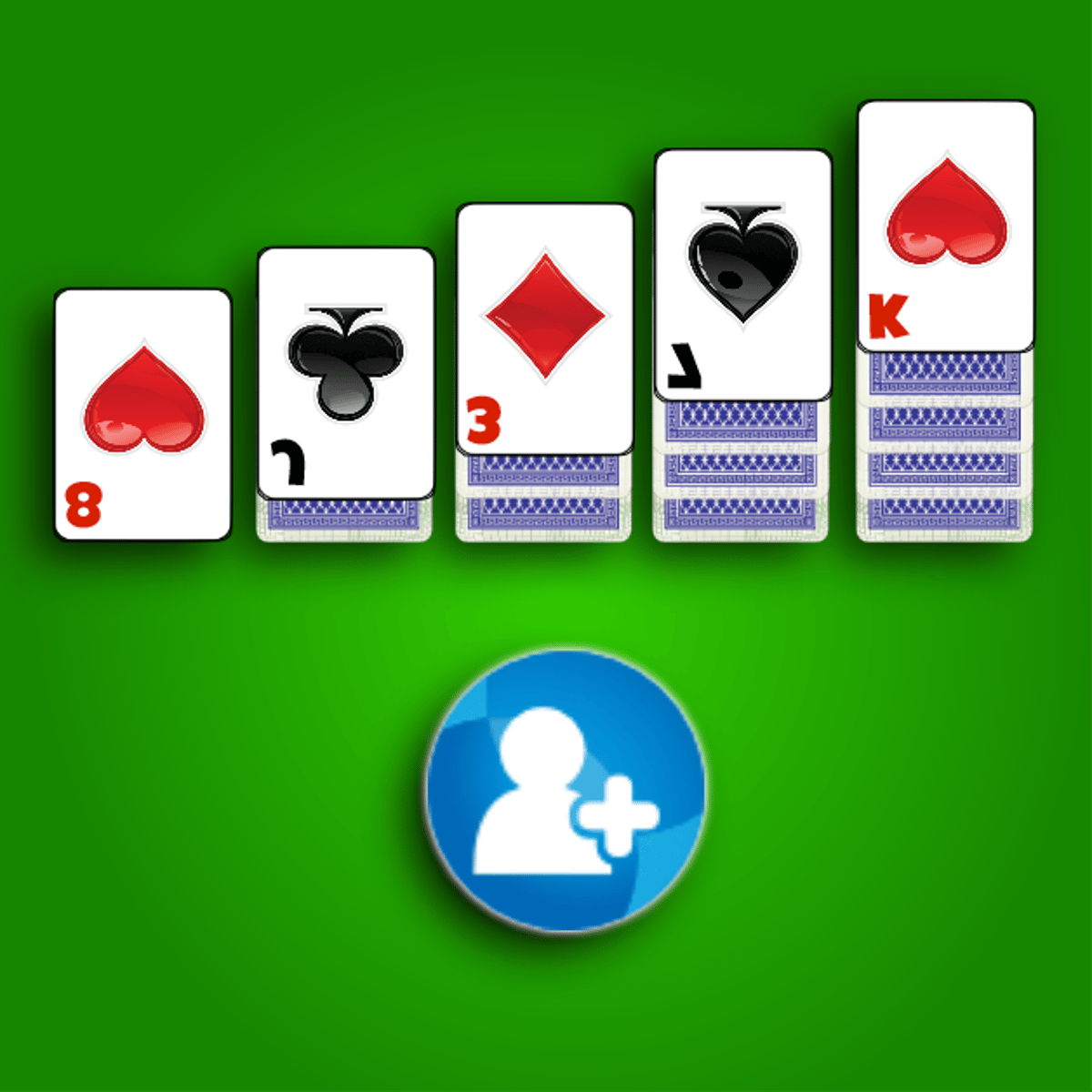
The objective is the same as traditional solitaire: clear the tableau by moving all cards to the foundation piles. But here’s the catch—you build the foundation piles in descending order. Instead of starting with an Ace and working up to King, you start with a King and work down to Ace. The suit must match. So if you have a King of Hearts, the next card you place on top of it must be the Queen of Hearts, then Jack, and so on.
The tableau piles work the same way as usual: you can move cards between columns, and you can flip the top card of the stock pile. But because the foundation is reversed, the strategy changes. You’ll find yourself holding onto low cards longer, and you’ll be more careful about when to commit a King.
Desktop controls: Use your mouse to click and drag a card from one pile to another. Click the stock pile in the top-left to draw a new card. Double-clicking a card sends it to the foundation if it’s a legal move. That double-click shortcut is a great time-saver once you get used to it.
Mobile controls: Tap a card to select it, then tap the destination pile. Tap the stock pile to flip cards. The interface is clean and responsive—no fiddly drag mechanics on a phone screen. Just tap-tap-tap. It works well in portrait mode, so you can play one-handed while holding a coffee.
The game also includes an undo button (bottom left) and a hint button (bottom right). The hint is conservative—it won’t show you a perfect sequence, just one legal move. Use it sparingly if you want to keep your brain engaged.
Tips and Strategies
Start by uncovering hidden cards. This is true in any solitaire variant, but in Reverse it’s even more critical because you need to see the full range of cards to plan your descending runs. Prioritize moves that flip face-down cards in the tableau. If you have a choice between moving a card to the foundation or using it to flip a hidden card, flip first.
Don’t rush to put Kings in the foundation. In standard solitaire, you want Aces out early. Here, Kings are your starting point. But if you move a King to the foundation too early, you lose the ability to use that column for building sequences. A King can anchor a column of descending cards, and you might need that column to free up another hidden card. Only commit a King to the foundation when you have no better use for it, or when the column beneath it is already empty.
Watch your empty columns. When you clear a whole column in the tableau, you can move any card into that empty space. In standard solitaire, you usually want to put a King there. In Reverse, you can put any card—but it’s still smart to use the space strategically. A low card (like a 2 or 3) in an empty column gives you room to build downward from a high card later. An empty column is a resource, not a reward.
Use the stock pile wisely. The stock pile cycles through the remaining cards. If you’re stuck, flip through it to see what’s coming. Sometimes you’ll have three or four cards in a row that can be placed directly. Other times, you’ll need to hold them and rearrange the tableau. Don’t flip blindly—look at the top card of each tableau pile and ask yourself if the stock card can help.
Plan a few moves ahead. Because you’re building downward, you’ll often need to move a card from one column to another to free up a specific card. Think of it like a sliding puzzle: you’re creating space to bring cards together. If you have a 7 of Spades in one column and a 6 of Spades buried two cards deep in another, you might need to move the 6’s blocking card somewhere else first. Patience pays off.
Common Mistakes
Treating it like regular solitaire. This is the biggest trap. You’ll instinctively try to build upward from an Ace. You’ll click a 2 and wonder why it won’t go on the 3. The mental switch takes a few games, but once it clicks, you’ll stop making that error. If you find yourself frustrated, take a breath and remind yourself: King to Ace, not Ace to King.
Overusing the hint button. The hint is there to help, but it can become a crutch. It only shows one legal move, not necessarily the best one. If you rely on it too much, you’ll miss opportunities to develop your own strategy. Use it when you’re truly stuck, not when you’re lazy.
Ignoring the undo button. Some players treat undo as cheating. It’s not. The game gives it to you for a reason—sometimes you make a move and immediately realize it was a mistake. Undo is your friend. Just don’t undo every move; that defeats the purpose.
Filling the foundation too fast. You might get excited seeing a King and immediately drag it to the foundation. But that King could have helped you clear a column. Unless you have a clear path to victory, hold off. The foundation is the final destination, not the first stop.
Not checking all columns before drawing. Sometimes the card you need is already in the tableau, just buried. Before you flip the stock pile, scan every column. You might find a move you missed. Drawing a card from stock when you have a valid tableau move is inefficient and can clog your hand.
FAQ
Q: Is Solitaire Reverse harder than regular solitaire?
A: It’s not harder, just different. Some players find it easier because the descending order feels more natural to them. Others struggle with the mental flip. Give it five games before you decide.
Q: Can I play offline?
A: The browser version on Poki requires an internet connection. There’s no downloadable offline version from DrMop Games that I know of. But if you’re on mobile, you can bookmark the page and play with a stable connection.
Q: What happens when I run out of stock cards?
A: The stock pile doesn’t recycle. Once you’ve flipped through all cards, that’s it. You can only move cards already in the tableau or foundation. If you’re stuck with no moves, you lose.
Q: Is there a timer or score?
A: No timer, no score. It’s purely for relaxation. You win when all cards are in the foundation. There’s no penalty for taking your time.
Q: Why does my card sometimes not move when I drag it?
A: On desktop, make sure you’re dragging from the top card of a pile. You can’t move a card that’s buried under another card unless you move the top card first. On mobile, tap precisely—sometimes the hitbox is a little small.
Solitaire Reverse doesn’t try to do anything revolutionary. It just flips the rules, and that’s enough to keep you playing for a dozen games. Whether you’re a solitaire veteran or someone who just wants to spend ten minutes, give it a try. You might find yourself stuck on the reverse side longer than you expected.