






Mahjong
You’re staring at a screen full of intricately carved tiles, and somehow a game that’s been around for centuries just ate another hour of your afternoon. You’re not alone. Mahjong in its digital form strips away the complicated scoring and four-player table politics of the original. What’s left is a quiet, meditative puzzle where the only opponent is the layout itself. Playtouch’s version—the one you’ll find on Poki—is a clean, no-fuss take on the classic solitaire variant. No flashy animations, no distracting music loops. Just tiles, a timer, and the satisfying thunk of a matched pair disappearing.
Why do people keep coming back? Part of it is the meditative rhythm: scan, click, clear. The other part is the occasional frustration when you’re down to two tiles and neither can be freed. It’s relaxing and challenging, often at the same time. And because the board randomizes each game, you never quite master it. You just get better at reading the stack.
How to Play
The goal is simple: remove all tiles from the board by matching identical pairs. But you can’t just click any two matching tiles. A tile is only “free” if nothing sits on top of it and it isn’t blocked on both its left and right sides. In practice, that means you can only select tiles at the edge of the stack or on the top layer.
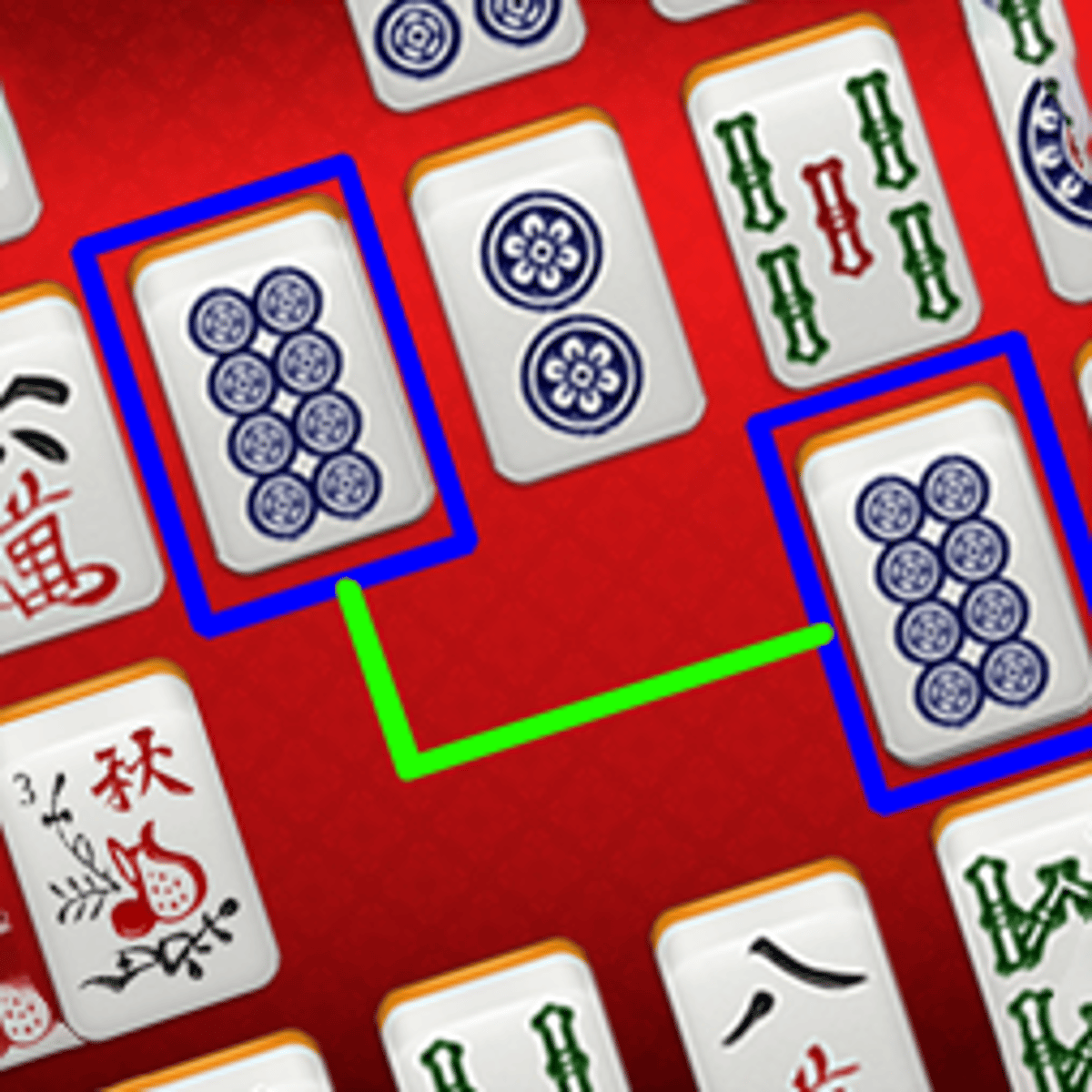
On desktop – Click a free tile to select it, then click its matching partner. If the pair is valid (same design, both free), they vanish with a neat little animation. Right-click or use the undo button if you make a mistake, but you get a limited number of undos, so use them wisely.
On mobile – Tap a free tile, then tap its match. Same logic, just with your finger. The interface scales well enough that fat-fingered tapping rarely registers a wrong tile, but it does happen. If you accidentally select the wrong tile, tap it again to deselect.
There’s no time limit in standard mode, but the game does track your time if you’re the type who likes to beat personal records. You also get one reshuffle per game, which is a lifesaver when you’re stuck with a board that looks like a dead end.
Features
Playtouch’s Mahjong keeps things lean. No dozen game modes or power-ups cluttering the screen. What you get:
- Classic Mahjong Solitaire – The standard 144-tile layout (the “Turtle” or “Dragon” shape, depending on how you squint). No special tiles, no wildcards. Just the four seasons, four winds, three dragons, and the numbered bamboo, characters, and dots.
- One free reshuffle – Use it when you’ve exhausted all obvious moves. The board rearranges, giving you a second chance. After that, you’re on your own.
- Limited undos – You can undo your last move a few times, but not infinitely. Forces you to think ahead a little.
- Timer and move counter – Hidden away in the corner. Ignore them if you want, or obsess over them if you’re a stats nerd.
- Responsive design – Works on desktop, tablet, and phone. The tiles are big enough to tap on a small screen, which is more than I can say for some other Mahjong ports.
No achievements, no daily challenges, no microtransactions. It’s a pure, old-school browser game that doesn’t try to sell you anything. Refreshing, honestly.
Tips and Strategies
After a few dozen games, you start noticing patterns. Here’s what works for me:
- Scan the board before you click. It’s tempting to grab the first pair you see, but that might trap a tile you’ll need later. Look for tiles that are only free because of a single tile on top of them. Clear that top tile first, even if it means skipping an easy pair elsewhere.
- Prioritize the top layers. Tiles on the topmost layer are the most constrained. If you see two matching top-layer tiles, take them. They’re not going to get any easier to reach.
- Don’t hoard the reshuffle. I used to save it for the very end, thinking I’d need it when only two tiles are left. But often the board gets clogged mid-game. If you’re stuck early, reshuffling can open up a whole new path. Just remember you only get one.
- Work from the outside in. Tiles at the edges of the layout tend to become free faster. Focus on clearing the perimeter first; the center usually opens up as you go.
- Learn the tile symbols. The game doesn’t label them, so if you’re new, you’ll waste time squinting at bamboo sticks vs. characters. Spend a minute memorizing the four suits (bamboo, characters, dots, and the honor tiles). It’ll speed up your play considerably.
- Use undos sparingly, but don’t be stubborn. If you realize you made a bad move three steps ago, undo back to that point. It’s better than playing a losing board just to save a few undos.
Common Mistakes
New players tend to fall into the same traps. Here are the big ones:
- Grabbing the first available pair without thinking. Just because a tile is free doesn’t mean you should take it immediately. Sometimes removing a pair exposes a tile that you needed to be blocked for a later match. Sounds counterintuitive, but I’ve seen boards where clearing a pair ruins the whole game.
- Ignoring the “free” condition. A tile that has tiles on both sides but nothing on top is still free—you can take it from the side. Many beginners think only the topmost tiles are playable, but side-open tiles are fair game too. Conversely, a tile that’s on top but has tiles leaning against it from both sides is blocked. Learn to spot the difference.
- Using the reshuffle too late. I’ve done this: you wait until you’re down to ten tiles, reshuffle, and get a layout where none of those ten can be matched. Now you’re stuck with no reshuffle and a dead board. Use the reshuffle when you still have a decent number of tiles left, so you have room to maneuver.
- Tapping too fast on mobile. The game registers touches reliably, but if you tap rapidly, you might accidentally select a tile you didn’t mean to. Slow down. Mahjong is a puzzle, not a speed game (unless you’re racing the clock, and even then, accuracy beats speed).
- Forgetting that seasons and flowers are not matches. In some Mahjong solitaire variants, the four flower tiles and four season tiles are wildcards. In this version, they are not. A Spring tile only matches another Spring tile, not Summer. Check the symbols carefully.
FAQ
Q: I’m stuck and there are no moves. What do I do?
A: First, double-check that you haven’t missed a free tile. Pan the view around the board—sometimes a tile is hidden behind another. If there really are no moves, use the reshuffle button. If you’ve already used it, you’ll have to start a new game. That’s Mahjong for you.
Q: How many undos do I get?
A: It varies by game session, but usually around three to five. The game doesn’t show a counter, so you’ll know you’re out when the undo button stops working.
Q: Can I play this on my phone without downloading anything?
A: Yes. It runs in the browser on iOS and Android just fine. No app required.
Q: Is this the same as the real Mahjong people play with four players?
A: Not at all. This is Mahjong solitaire—a single-player tile-matching game. The four-player version involves drawing and discarding tiles, building a hand, and scoring. They share the same tiles but are completely different games.
Q: Why do some tiles look the same but won’t match?
A: Look closer. The bamboo suit has tiles numbered 1 through 9, and each number has a distinct design. The 3 bamboo and 5 bamboo can look similar at a glance, but they are different tiles. Same for characters and dots. The honor tiles (winds and dragons) are easier to distinguish, but the suits require a careful eye.
There’s a reason Mahjong has been a browser-game staple for decades. It’s quiet, patient, and doesn’t demand your full attention—until it does. Playtouch’s version won’t win any design awards, but it gets the fundamentals right: clean tiles, responsive controls, and a layout that’s challenging without being sadistic. If you’ve got ten minutes to kill or an hour to lose, it’ll be there waiting.