
Jane's Fashion Studio
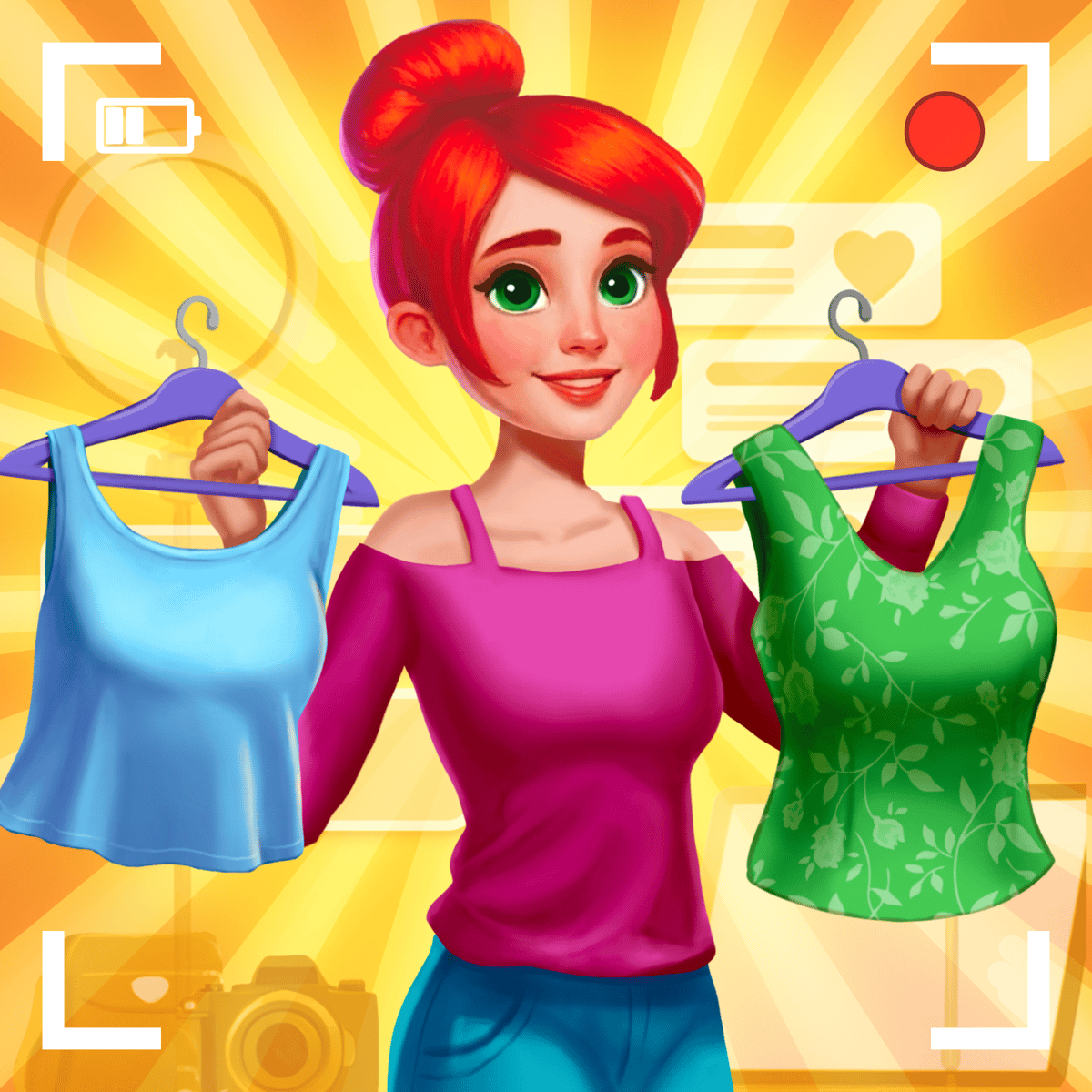
Jane’s Fashion Studio is the guilt-free version of that obsession where you spend an hour deciding what to wear, only to end up in jeans and a tee. Here you dress other people, and they never complain about the sleeves being too tight. The game drops you into the role of a boutique owner-slash-stylist, and before long you’re matching handbags to heels, layering jackets over dresses, and wondering why your own closet doesn’t look this good.
But it’s more than a static dress-up doll. Jane’s Fashion Studio wraps outfit-making in a light story and a social feed. Characters have personalities, challenges demand specific looks, and a little feed shows their reactions to your work. It feels like a fashion magazine that actually lets you touch the clothes. Players keep coming back because it scratches that creative itch without real-world fashion rules—no one here will tell you polka dots and plaid don’t mix. They do, if you believe hard enough.
How to Play
Run your boutique, help customers find outfits that fit their style or the occasion, and earn coins and reputation. You select from a wardrobe that grows as you level up. The game regularly adds new garments, accessories, hairstyles, and makeup options, so you’re never stuck with the same five shirts.
Controls
Desktop (mouse)
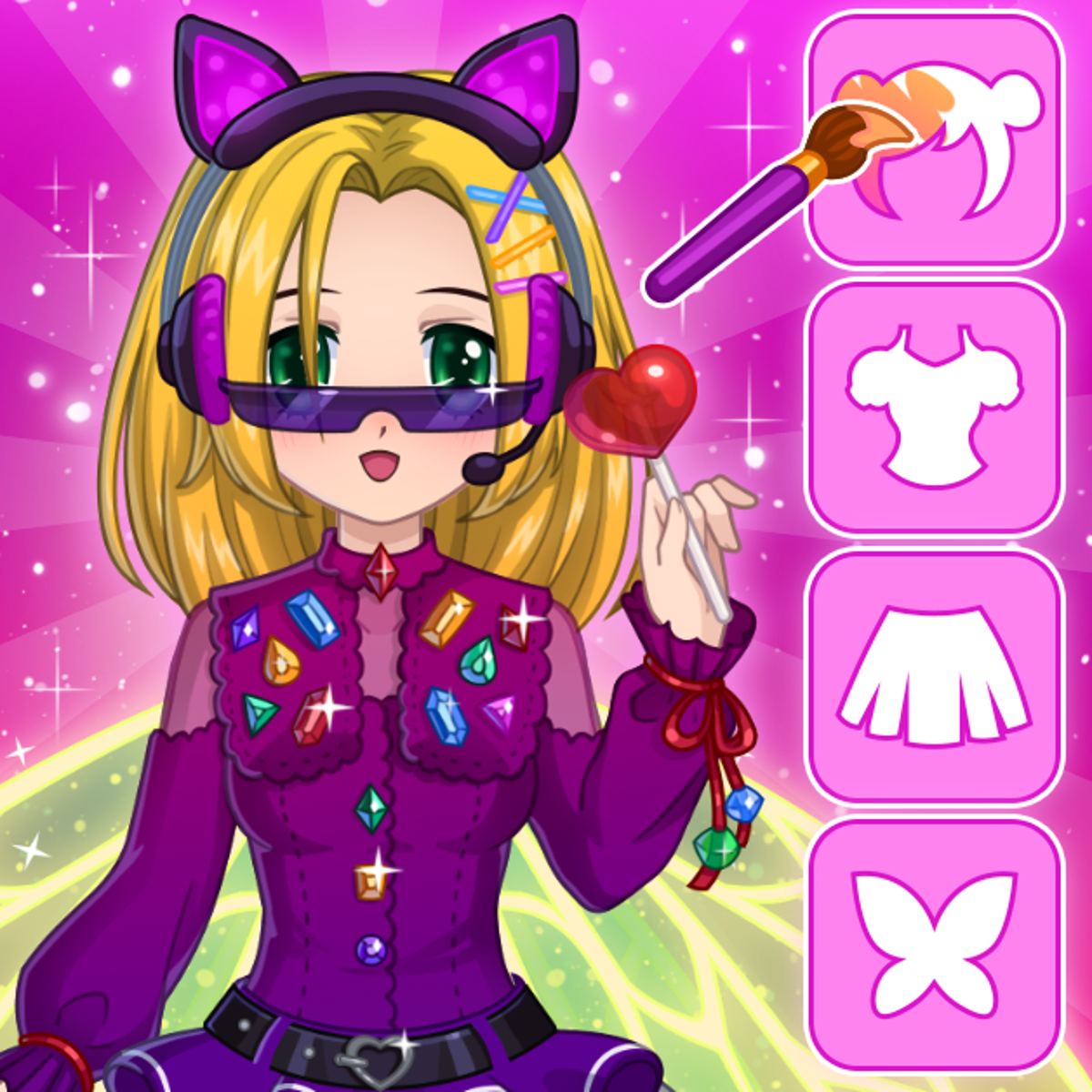
Everything is click-based. A character stands in your boutique (or on a story scene), and below them are categories: Tops, Bottoms, Dresses, Shoes, Accessories, Hair, Makeup. Click any category to open a scrollable rack of items. Click an item to preview it on the character. Once you’re happy, hit the checkmark or “Done” button to lock in the look. Some screens also let you drag items directly onto the character, but clicking is faster once you get used to it.
Mobile (touch)
The interface scales nicely. Tap a category icon at the bottom, then scroll through thumbnails with your finger. Tap an item to see it on the character. Swipe left or right to browse more options. The “Done” button is usually at the top-right corner. On smaller phones, the character preview might feel cramped, but you can pinch to zoom in on details. The game supports portrait and landscape modes, though portrait feels more natural for one-handed play.
Both versions share the same content, and progress syncs if you log in via an account (the Poki version doesn’t require an account to play). The only difference: on mobile, buttons are a little bigger and scrolling is more fluid.
Progression and Currency
Coins are your main currency. Earn them by completing story outfits, finishing challenges, and hitting daily goals. A star rating on each outfit (one to five stars) determines your coin bonus. A three-star outfit might give you 20 coins, but a five-star one can give 80. That difference adds up fast.
Leveling up unlocks new item categories and story chapters. You gain experience points (XP) for every outfit you style, with bonus XP for high scores. The first few levels fly by—Challenge Mode unlocks around level 3, and the social feed opens at level 5. After that, the pace slows, but there’s always a new item or character around the corner.
The shop refreshes every few outfits. You can buy items with coins, but some are locked behind story progress or friendship milestones. You can also “favorite” items to mark them for quick access later. The game has no gacha system or loot boxes—everything is earned through play, which keeps frustration low.
Game Modes
Jane’s Fashion Studio doesn’t just throw you into an endless dressing room. Two main modes give the game structure and replay value.
Story Mode
This is the heart of the game. You meet a cast of characters—each with their own backstory, personality, and fashion sense. A shy college student needs a confident outfit for a presentation. A musician wants something edgy for a photoshoot. A grandmother needs a modern twist on a classic dress for a family reunion. You style them, and as you do, you unlock more of their personal stories.
The narrative is light and wholesome. It’s not Shakespeare, but it gives styling choices emotional weight. You’re not just picking a red dress because it looks nice; you’re picking it because it makes the character feel bold. The game rewards you for matching the character’s requested vibe (e.g., “elegant,” “casual,” “punk”), and if you nail it, you get bonus coins and a heart reaction from the character.
Each story chapter has multiple outfits to style, and completing a chapter unlocks new items in the shop. The stories are self-contained enough that you can jump in and out, but there’s an overarching narrative about Jane building her fashion empire.
Here’s a typical story mission. Early on, you meet Lily, a college student nervous about a job interview. She says, “I want to look professional but also show a little personality—maybe a pop of color?” That’s your cue. You open the Tops category and scroll past plain white blouses. You pick a navy blazer with gold buttons—professional. Then you go to Bottoms and choose tailored trousers instead of a skirt. For the pop of color, you add a mustard-yellow scarf and a matching handbag. The game gives you four stars, and Lily posts on the feed: “Nailed it! I felt so confident.” That kind of feedback makes the effort feel worthwhile.
Later chapters introduce more complex requests. A character might ask for “something that says ‘I’m the boss’ but still approachable.” That means sharp lines (a structured jacket, pointed heels) softened with a warm color or soft fabric. The game doesn’t spell out the rubric, but you learn to read between the lines.
Challenge Mode
Once you’ve unlocked a few items, Challenge Mode opens up. It gives you themed prompts: “Gothic Glam,” “Beach Party,” “Retro Disco,” “Minimalist Chic,” etc. You have a limited time (usually 60 to 90 seconds) to throw together a look that fits the theme. The game scores you on relevance, completeness (are you wearing shoes? accessories?), and style harmony.
Challenges are great for quick sessions—they take two minutes max. They also test your ability to think on your feet. You can’t spend ten minutes deliberating between two nearly identical scarves. You have to grab and go. This mode earns the most coins per minute, so it’s smart to do a few challenges whenever you need a cash boost.
I remember my first “Beach Party” challenge. I panicked and threw on a floral sundress, flip-flops, and a sun hat. That got me three stars. But after a few tries, I learned that “beach party” also means bright colors, minimal layers, and maybe a beach bag. I swapped the sundress for a two-piece swimsuit with a sheer cover-up and added sunglasses. Five stars. The trick is to think about the whole vibe, not just the first item that comes to mind.
Some challenges have a twist: “Vintage Hollywood” but you can only use items from the first three categories you unlock. That forces you to be creative with limited options. It’s a fun constraint that keeps the mode from getting stale.
Social Feed (Bonus Feature)
Not a full mode, but a persistent element. After you style a character, they post an update on your in-game feed. You can see their reactions, comments from other characters, and occasionally requests for follow-up outfits. It’s a small touch, but it makes the world feel alive. You can also “like” their posts, which increases your friendship level and unlocks exclusive items. It’s basically a fictional Instagram for your boutique clients.
The feed also has a “trending” section that shows what other players (NPCs) are wearing. That can give you ideas for your own styling. If you see a character wearing a neon green jumpsuit and getting lots of likes, you might try something similar in a future challenge. It’s not a direct multiplayer feature, but it adds a sense of community.
Friendship levels matter. Each character has a meter that fills as you interact with their posts. At level 2, they might gift you a unique item—like a vintage brooch or a custom hairstyle. At level 5, they unlock a special story scene. It’s worth checking the feed daily, even if you don’t have a styling task.
Tips and Strategies
I’ve spent more time than I’d like to admit in this game, and I’ve picked up a few tricks that separate a decent outfit from a five-star one.
1. Read the prompt twice.
In Story Mode, the character will say something like “I need something that makes me look professional but not boring.” That’s two requirements. Don’t just throw on a blazer. Add a colorful scarf or a patterned skirt to hit the “not boring” part. The game judges on a hidden rubric, and meeting multiple keywords gives you a higher score. If the prompt says “elegant and modern,” avoid frills or overly vintage pieces. Go for clean lines, maybe a monochrome look with a metallic accessory.
2. Build a balanced inventory early.
When you earn coins, don’t blow them all on expensive dresses. Buy a few versatile basics first: a good pair of jeans, a plain white shirt, a black blazer, neutral heels. These pieces can be mixed and matched with more statement items later. You’ll fail challenges if your wardrobe is all ball gowns and no sneakers. I learned this the hard way when a “Sporty Chic” challenge rolled around and I had nothing but sequins.
3. Use accessories to fix mismatches.
Sometimes you pick a top and bottom that don’t quite go together. Throw on a belt, a necklace, or a hat. Accessories can bridge color clashes and elevate a mediocre outfit to something cohesive. The game loves a complete look—head to toe, including jewelry and bag. Even a simple pair of hoop earrings can bump your score by half a star. Don’t skip the hair and makeup categories either. A sleek updo versus loose waves can completely change the vibe.
4. Check the social feed for hints.
If you’re stuck on a character’s preference, look at their previous posts. They might have “liked” a certain style or commented on another character’s outfit. That’s a clue. For example, if they complimented a punk look on someone else, they probably want something similar when you style them. I once had a character who always posted about minimalist fashion, so when she asked for a “night out” look, I kept it simple—little black dress, strappy heels, a clutch. She loved it.
5. Master the timer in Challenge Mode.
Don’t try to change every piece. Start with the most obvious category—if the theme is “Winter Cozy,” pick a sweater first. Then quickly add pants, shoes, and a scarf. You can skip makeup and hair if you’re short on time; the base outfit matters more. Practice makes you faster, and speed translates to higher scores because you have time to fine-tune. I usually spend the first 10 seconds scanning all categories, then the next 30 seconds assembling, and the last 20 seconds tweaking.
6. Replay old challenges for coins.
Challenge Mode lets you retry any unlocked challenge. Once you unlock better items, go back to earlier challenges and beat your old score. The game rewards you with extra coins for improving your rank. It’s an easy way to farm currency without waiting for new content. I revisit the “Beach Party” challenge every time I get a new swimsuit, and I’ve turned it into a steady coin generator.
7. Experiment with layering.
The game allows multiple layers in some categories—like a jacket over a top, or a scarf over a dress. Don’t be afraid to stack items. A denim jacket over a floral dress can make the outfit more casual. A blazer over a silk camisole adds polish. Layering also helps meet complex prompts that ask for both “edgy” and “feminine”—pair a leather jacket with a lace dress.
8. Use the “random” button as a brainstorming tool, not a solution.
The random outfit button is almost never good for final submission. But if you’re stuck, hit it once to see what the game throws together. You might spot a combination you hadn’t considered, like a burgundy top with olive pants. Then you can manually adjust the pieces that don’t work. Just don’t submit the random outfit as-is.
Common Mistakes
New players often trip over the same things. Avoid these pitfalls and you’ll level up faster.
Mistake 1: Ignoring the character’s background.
I’ve seen people dress a punk rocker in a floral sundress because they thought it looked cute. The game penalizes you for ignoring the character’s established style. If the bio says “loves grunge,” don’t give them preppy. Even if the outfit is technically complete, the score will be low. Respect the character’s personality. Read their bio before you start styling. It’s usually one or two sentences, but it tells you everything.
Mistake 2: Hoarding coins.
You earn coins slowly at first, and it’s tempting to save them for a 500-coin dress. But you need cheap items to fill gaps. If you only have five tops, you’ll struggle to create variety. Spend early on mid-range items (50–100 coins) to broaden your options. The expensive stuff will still be there later. I recommend keeping a reserve of at least 200 coins for emergencies, but spend the rest.
Mistake 3: Forgetting to check all categories.
The game doesn’t force you to use every slot, but your score takes a hit if you skip shoes or accessories. Always check if you’ve added a bag, jewelry, and hair styling. Even a simple hair change can boost the score. On mobile, the categories scroll off-screen sometimes—make sure you’ve swiped to see everything. I missed the “Belt” category for my first ten outfits.
Mistake 4: Rushing through story dialogue.
The story text contains hints about what the character wants. If you skip it, you might miss that they specifically asked for “something blue” or “a vintage vibe.” Take ten seconds to read the speech bubble. It saves you from having to redo the outfit. I once skipped a line where a character said “I hate turtlenecks,” and I put her in a turtleneck. She gave me one star.
Mistake 5: Not using the “random” button wisely.
There’s a random outfit button that throws together items from your wardrobe. It’s almost never good. But some players rely on it to save time in challenges. Don’t. You’ll get a mismatched mess. Use it only as a starting point and then manually fix the worst parts.
Mistake 6: Overlooking the daily goals.
Every day, the game gives you three small tasks: “Style two characters in Story Mode,” “Earn 100 coins,” “Complete one challenge.” Completing all three gives you a bonus of 50 coins and a random accessory. It’s free stuff. Don’t skip it. The tasks reset at midnight, and they’re usually easy enough to finish in five minutes.
Mistake 7: Ignoring color theory.
The game doesn’t explicitly teach you about complementary colors, but it rewards outfits that use a cohesive palette. If you put a bright red top with neon green pants, the score will suffer. Stick to two or three main colors, and use neutrals (black, white, beige) to balance them. For example, a navy dress with gold accessories and nude heels is almost always a safe bet.
FAQ
Can I play Jane’s Fashion Studio offline?
No, it requires an internet connection. The game loads assets from the server and saves progress online. If you lose connection mid-play, you might lose the current outfit’s score. It autosaves after you submit an outfit, but not during the styling process.
Does the game have in-app purchases?
The browser version on Poki is completely free. There are no microtransactions. All items are unlocked through gameplay, coins, or leveling up. Some items are locked behind story progress, not paywalls. This is a big plus—you never feel pressured to spend real money.
How do I unlock new characters?
New characters appear as you advance through Story Mode. Each chapter introduces one or two new clients. You can also unlock bonus characters by completing certain challenges or reaching friendship milestones in the social feed. For example, after liking ten posts from the musician character, you unlock a special “backstage” outfit set.
Is there a multiplayer or co-op mode?
No. It’s a single-player experience. The social feed is the closest thing to interaction, but you can’t dress up with friends in real time. Some players wish for a “fashion battle” mode against other players, but as of now, it’s just you and the NPCs. The developer has hinted at future updates, but nothing confirmed.
How often does the game get updates?
The developer, Orenji Spark, has been adding new items and story chapters every few months. The last update was June 2026, which added a summer-themed challenge set and two new characters. The game’s rating is 4.3 out of 5, which suggests the updates are well-received. The community is active on forums, sharing outfit ideas and requesting new features.
Can I reset my progress?
There’s no official reset button, but you can clear your browser cache or use a different account. Progress is tied to your local save or login, so starting fresh is possible but not recommended unless you really want to. The game is designed to be played long-term.
What happens when I finish all story chapters?
As of the latest update, there are about 20 chapters. After finishing them, you can still play Challenge Mode, replay old story outfits for better scores, and complete daily goals. The social feed continues to generate new posts. The developer plans to add more chapters in future updates, so it’s not a dead end.
---
Jane’s Fashion Studio isn’t trying to reinvent the wheel. It’s a dress-up game with a decent story, a fun challenge mode, and enough polish to keep you coming back. The controls are simple, the outfits are plentiful, and the characters actually make you care about what they wear. If you’ve ever wished you could run a boutique without the real-world overhead of rent and mannequins, this is your virtual fitting room. The game respects your time—sessions can be as short as two minutes or as long as an hour—and it never asks for your credit card. That’s rare these days. So go ahead, mix that plaid with polka dots. The game won’t judge you. The characters might even love it.