








Jungle Friends
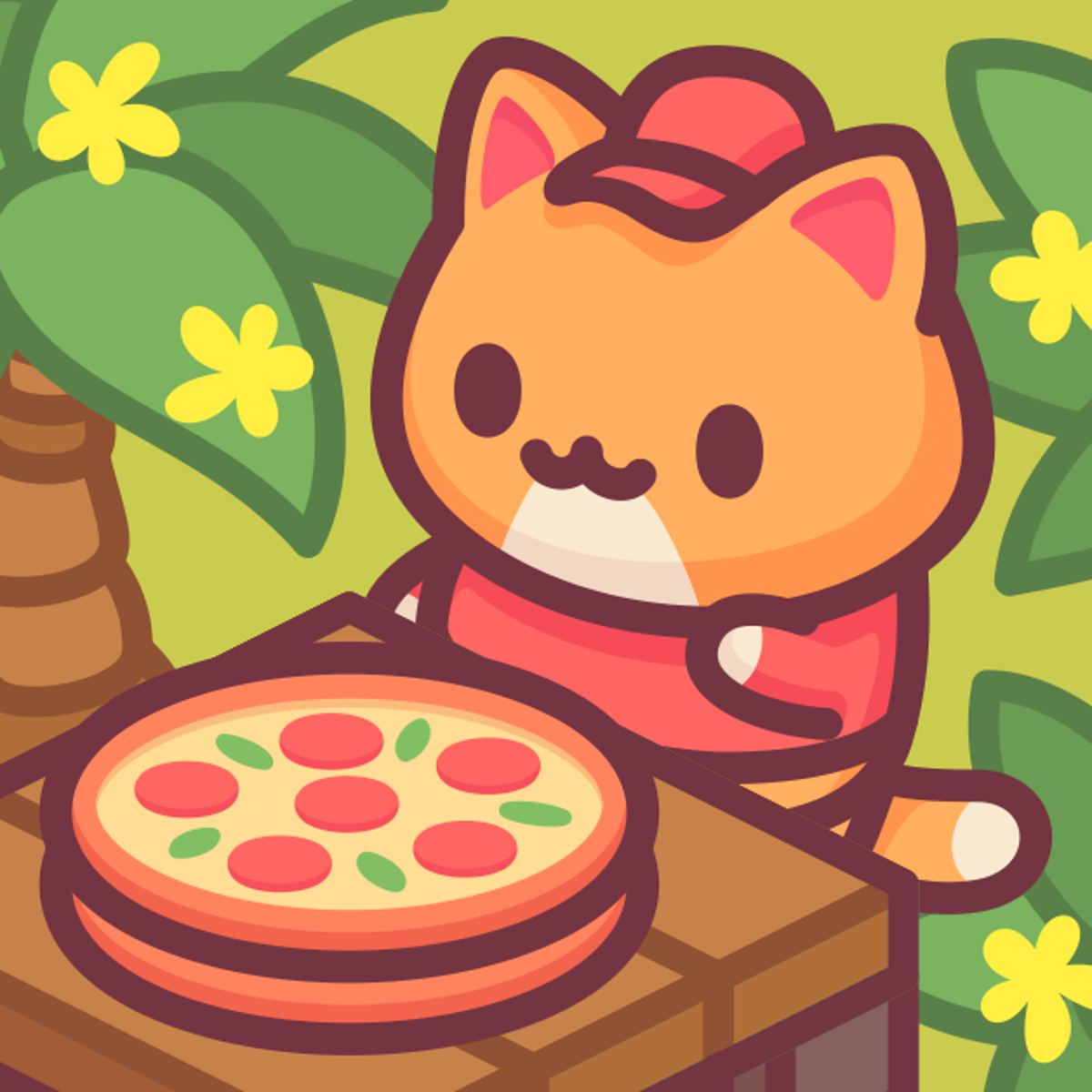
You play a fox. That’s the hook: not a hero, not a wizard—just a scrappy orange fox running around a forest clearing, trying to keep a bunch of demanding animals happy. And somehow that’s exactly what makes it stick. It’s an idle game in the best sense: walk up to a raccoon, it eats a berry, you earn a coin, then you’re off to the next task. No frantic clicking, no inventory tetris. Just you, your paws, and a growing list of critters who all want something.
I didn’t expect to spend an afternoon feeding sheep and lighting bonfires for bears. But the loop is deceptively satisfying. You start small—a couple of raccoons, a berry bush—and before long you’re managing a whole operation: chickens, sheep, a fishing spot, a bear shower station. The game gently nudges you to expand, and each new area feels like a tiny victory. Plus, you can dress up your fox. Not essential, but a nice touch. Watching your fox in a tiny top hat makes the whole grind feel a little more personal.
OnRush Studio built this for browsers and mobile alike. It’s free, no download, and runs smoothly on a phone or a laptop. If you’ve played Monkey Mart or Idle Farming Business, you’ll feel right at home. But Jungle Friends has its own charm—the animals have personality, the world is colorful, and the progression hits that sweet spot between “too easy” and “grindy.” The music is a gentle loop of acoustic guitar and bird chirps, and the sound effects are satisfying little pops and crunches. Nothing flashy, but it all works together to create a relaxing atmosphere. I’ve left the game open in a background tab just for the ambient sounds.
The core fantasy is simple: you’re a helpful fox in a jungle clearing. You’re not saving the world or fighting monsters. You’re just making sure a raccoon gets its berries and a sheep gets sheared. That low-stakes premise makes it easy to sink into. No pressure, no fail state, no timer counting down. You can walk away for five minutes and come back to find your fox standing exactly where you left it, ready to continue. It respects your time while still rewarding attention.
How to Play
The core idea: walk around, stand near a task, and your fox does it automatically. No button mashing, no quick-time events. Just be in the right spot. The game explains this in a quick tutorial, but it’s so intuitive you barely need it.
On desktop
Use WASD or the arrow keys to move. Your fox starts performing whatever action is available at that location—feeding raccoons, watering plants, shearing sheep, whatever. The game handles the animation and resource collection. You’re the legs. No clicking required, though you can click on UI elements like the upgrade menu or inventory. Movement is smooth, and the fox’s little running animation is charming. You can also hold down a key to keep moving, which helps when crossing the clearing for the hundredth time.
On mobile
A virtual joystick sits on the left side of the screen. Drag it to move your fox. Same deal: once you’re in range of a task, the fox does it. Tap to interact with menus, upgrades, and inventory. The joystick is responsive, but it can feel a bit cramped on smaller screens. Tilting your phone slightly helped me avoid accidentally dragging the screen instead of the joystick. The mobile version also supports landscape mode, which gives you a wider view of the clearing and makes navigation easier.
The objective is to earn coins by fulfilling animal needs. Each completed task gives you coins, which you spend on upgrades: faster movement, better tools, more efficient workers. You’ll also unlock new areas as you level up. The game tracks your progress with a simple XP bar and a coin counter. XP comes from completing tasks, and each level unlocks something new—a new animal, a new station, or a new upgrade tier. The pacing is generous: you’ll level up every few minutes in the early game, and the intervals grow longer as you progress.
One thing that tripped me up at first: you don’t need to click on animals or drag items. Just stand there. It’s pure idle gameplay, but with a walking component. You’re not completely passive—you have to move between stations—but once you’re in place, the game does the work. This means you can multitask: watch a video, listen to a podcast, or just zone out. The only time you need to pay close attention is when you’re deciding what to upgrade next. That moment of decision is the real core of the game.
A typical session: you load the game, your fox appears in the clearing. You walk to the berry bush, where a raccoon is waiting. The fox automatically picks a berry and hands it to the raccoon. A coin pops up. You walk to the sheep pen, the fox shears the sheep, another coin. You check your coin total, see you have enough for a speed upgrade, buy it, and feel the difference immediately. Then you unlock the chicken coop and start collecting eggs. The loop repeats, but each new station adds a wrinkle: the bear shower requires you to stand near a lever and pull it, the fishing spot has a small mini-game where you wait for a bobber to dip. These small variations keep the gameplay from feeling stale.
Features
Jungle Friends doesn’t have separate “game modes” in the traditional sense. It’s one continuous sandbox where you unlock new areas and tasks. But a few notable features keep things interesting.
Animal Needs
Each animal has a specific request. Raccoons want berries. Sheep need shearing. Chickens drop eggs. Bears want a cool shower. There’s a bear that wants a bonfire lit so it can nap. Yes, a bear that wants a bonfire. You’ll also plant carrots, fish, and set up feeding stations. The variety is good—you’re not clicking the same berry bush for an hour. Each animal has a small animation: the raccoon munches, the sheep shakes its wool off, the bear sighs contentedly under the shower. These little touches make the world feel alive.
The animals also have moods. If you ignore them too long, a sad face appears above their head. A sad animal produces fewer coins. You can see their mood at a glance, so it’s easy to prioritize. The game doesn’t punish you harshly—it’s more of a gentle nudge to keep moving. But if you’re trying to optimize your coin income, you’ll want to keep everyone happy. Checking the mood icons every few minutes helped me plan my route.
Staff Assistants
You can hire ferrets and dogs to help. Ferrets gather resources automatically in a small radius. Dogs can carry items or speed up tasks. They’re not overpowered, but they take the edge off when you’re juggling five different stations. You upgrade them with coins, and they become more efficient. The ferret, for example, starts by collecting only one type of resource (say, berries) and only within a few steps. After a few upgrades, it can collect two types and has a wider range. The dog can be upgraded to run faster between stations.
Hiring a staff member costs a flat fee, and each subsequent hire costs more. You can have up to three assistants at a time. I usually keep one ferret and one dog, then save the third slot for a second ferret once the clearing gets big enough. The assistants have a small visual presence—they follow you around or patrol a station. It’s satisfying to see a ferret scurry over to the berry bush and start collecting while you’re busy with the sheep.
Fox Customization
Your fox can wear hats, glasses, scarves, and other accessories. You unlock these through gameplay or find them in the inventory menu. Purely cosmetic, but a fun little side goal. I spent way too long trying to unlock a tiny top hat. There’s also a monocle, a flower crown, a beanie, and a pair of aviator goggles. Each item is tied to a milestone: shear 50 sheep for the wool scarf, collect 100 berries for the berry hat, and so on. The game doesn’t tell you the exact requirements, so discovering a new item feels like a pleasant surprise.
You can change your fox’s look anytime from the inventory screen. The customization menu is simple—just tap an item to equip it. No stats or bonuses, just pure style. It’s a small thing, but it gives you a reason to keep playing even after you’ve unlocked all areas. I’ve seen players online sharing screenshots of their foxes with different outfits, and there’s a mild community around showing off rare items.
Area Progression
The map expands as you level up. You start in a small clearing, then unlock a berry patch, a sheep pen, a chicken coop, a fishing pond, and a bear grove. Each new area adds more tasks and more animals. The game keeps a clear visual of what’s locked and what’s coming next. A fence or a gate marks the boundary, and a padlock icon shows the level requirement. When you reach that level, the padlock opens with a satisfying click, and you can walk through.
The areas are arranged in a rough circle around the starting point. The berry patch is to the left, the sheep pen to the right, the chicken coop behind a bush, and so on. This layout means you’ll be running back and forth across the clearing, which is why movement speed upgrades are so valuable. Each new area also introduces a new resource: berries, wool, eggs, fish, and bear happiness (a separate currency used for high-end upgrades). Managing multiple resources adds a layer of strategy.
Upgrade Tree
You can upgrade your fox’s speed, task efficiency, and the effectiveness of your staff. There’s also a “management” skill that reduces the time animals wait for service. The upgrades are linear but satisfying—each level gives a noticeable bump. For example, speed upgrades increase your fox’s movement by a flat percentage. At level 1, you move at a slow trot. At level 5, you’re practically sprinting. Task efficiency upgrades reduce the time it takes to complete a single action, like shearing a sheep or picking a berry. Management upgrades make animals stay happy longer, so you can afford to ignore them for a bit.
The upgrade tree is displayed as a list of categories. Each category has 10 levels. The cost doubles or triples per level, so the last few levels are expensive. You’ll need to prioritize: do you want to move faster, or do you want your ferret to collect more? There’s no wrong answer, but some choices are more efficient. I usually max out speed first, then task efficiency, then management, and finally staff upgrades. But your mileage may vary depending on your play style.
Tips and Strategies
After a few hours, I figured out what works and what doesn’t. Here’s the stuff I wish I’d known from the start.
Prioritize movement speed first.
Your fox is slow at the beginning. You’ll waste time walking between tasks. Put your first few upgrades into speed. It doesn’t sound glamorous, but it doubles your coin income because you can cycle through stations faster. After three speed upgrades, I could do a full loop of the clearing in about 15 seconds, compared to nearly 30 seconds at the start. That’s a huge efficiency gain.
Don’t ignore the staff.
Hiring a ferret early on feels like a luxury, but it pays off. The ferret will automatically collect berries or eggs while you’re busy with other animals. Even one ferret reduces the time you spend running back and forth. Upgrade the ferret’s range before you hire a second one. A ferret with a wide range can cover two stations at once, which is more valuable than having two weak ferrets.
Focus on one area at a time.
The game tempts you to unlock everything as soon as possible. Resist that. Instead, fully upgrade a station before moving to the next. For example, max out the berry bush before you even look at the sheep pen. A fully upgraded station gives more coins per interaction, and you’ll need those coins to unlock the next area efficiently. “Fully upgraded” means buying all the upgrades for that station: faster berry respawn, more berries per pick, and a higher coin reward. Once a station is maxed, it becomes a reliable source of income that requires minimal attention.
Use the bear shower strategically.
The bear shower is a later station, but it gives a big coin reward. Once you unlock it, prioritize it. The bear will wait a while, but if you ignore it too long, it gets grumpy and you lose potential coins. Keep a mental timer. The bear shower also has a cooldown: after you use it, the bear needs to rest before it can be showered again. The cooldown is about 30 seconds, so you can fit other tasks in between. I like to do a loop: berry bush, sheep, chicken, bear shower, repeat. That cycle keeps all the high-value stations happy.
Check your inventory regularly.
You’ll occasionally find cosmetic items or small bonuses in the inventory menu. They’re not game-changers, but a new hat can make the fox feel fresh. Also, some items are hidden behind progression milestones—you might unlock a scarf after shearing 100 sheep. The inventory screen also shows your total resources (berries, wool, eggs, fish) and your coin balance. It’s a good place to get an overview of your progress.
Don’t hoard coins.
There’s no penalty for spending. Upgrades are cheap early on, and the return on investment is quick. If you have enough coins to buy a speed upgrade, do it. Sitting on a pile of coins doesn’t help. The only exception is if you’re saving for a major upgrade, like unlocking a new area. But even then, the cost of a new area is usually within reach after a few minutes of active play. Spend early, spend often.
Plan your route.
Because the game is idle, it’s easy to zone out and walk in circles. But you’re not earning coins if you’re not near a task. Make a mental route: berry bush, sheep, chicken, repeat. Stick to it. Once you unlock more areas, adjust your route to include the new stations. I use a clockwise loop: start at the berry bush (left), then sheep (right), then chicken (behind), then fishing pond (far right), then bear grove (top). That covers all stations without backtracking.
Use the double-speed ad bonus wisely.
There’s an optional ad you can watch for a double-speed boost for 30 seconds. It’s not necessary, but it can help when you’re trying to grind coins for an expensive upgrade. I save it for when I have a full route planned and all stations are ready to be serviced. Pop the ad, run the loop, and you’ll earn double coins for that half-minute. It’s a small boost, but it adds up.
Common Mistakes
New players tend to make the same errors. Here’s what to avoid.
Wandering aimlessly.
Because the game is idle, it’s easy to zone out and walk in circles. But you’re not earning coins if you’re not near a task. Make a mental route: berry bush, sheep, chicken, repeat. Stick to it. I’ve caught myself just running around the clearing without stopping, and my coin income flatlined. If you’re feeling lost, pause and look at the map. The game shows you where each station is.
Ignoring the staff upgrades.
Some players hire a ferret and forget about it. The ferret starts slow. Upgrade its collection speed and range. A level-1 ferret is barely noticeable. A level-3 ferret can handle a whole station by itself. The same goes for the dog: upgrade its speed and carrying capacity. A fully upgraded dog can run resources from one station to another, effectively automating part of the loop.
Unlocking too many areas too fast.
You unlock a new area, you run over there, you see a new animal, you start feeding it. Meanwhile, your old stations are under-upgraded and your coin income stagnates. Pace yourself. Unlock only when you’ve maxed out the previous station. I made this mistake with the fishing pond: I unlocked it early, but my berry bush was still level 3. I spent so much time running between the pond and the bush that I barely earned enough to upgrade either. It’s better to have one strong station than three weak ones.
Forgetting to dress the fox.
Okay, this isn’t a strategic mistake, but it’s a missed opportunity. The customization is part of the fun. You can change your fox’s look anytime from the inventory. Don’t ignore it—it’s a nice break from the grind. Plus, some items are tied to achievements, so checking the inventory reminds you of your goals.
Not using mobile controls properly.
On mobile, the virtual joystick can be a bit finicky. Make sure you’re not accidentally dragging the screen instead of moving the fox. If the joystick feels off, try adjusting your grip or restarting the game. The mobile version is solid, but it takes a minute to get used to. Using two thumbs—one on the joystick, one to tap menus—works best. Also, make sure your screen isn’t too greasy; the joystick can slip.
Over-upgrading the wrong skill.
The management skill is tempting because it reduces animal wait times, but it’s not as impactful as speed or task efficiency. I upgraded management to level 5 early on and didn’t notice much difference. The animals were happy a bit longer, but I still had to run the same route. Save management for later, after you’ve maxed speed and efficiency.
FAQ
Is Jungle Friends really free?
Yes. No hidden payments, no ads that force you to wait. There are optional ads you can watch for a coin bonus, but you can ignore them completely. The game is supported by ads and maybe in-app purchases for cosmetic items, but I haven’t seen any pay-to-win mechanics. Everything can be earned through gameplay.
Can I play with a friend?
No. It’s a single-player game. You’re the only fox in the jungle. No multiplayer or leaderboard. Purely solo.
How long does it take to “beat” the game?
There’s no final boss. The game keeps going as long as you want. You can unlock all areas in about 3–4 hours of active play, but upgrading everything takes longer. Designed for casual sessions. I’ve been playing on and off for a week, and I still have a few upgrades left. The game doesn’t end; it just becomes more efficient.
Does progress save automatically?
Yes, the game saves to your browser’s local storage. Close the tab and come back later—your coins and upgrades are still there. Clearing your browser cache will reset it. On mobile, it saves to the app’s local storage. I’ve closed the game and reopened it hours later with everything intact. No cloud save, though, so don’t clear your browser history.
What happens if I ignore an animal for too long?
They get unhappy. Unhappy animals produce fewer coins. You can see their mood as a little face icon. If they’re sad, go attend to them. It’s not a game-over, just a slowdown. The animals never die or leave; they just sulk. So you can take a break without losing progress, but your coin income will drop.
Does the game run well on older devices?
I tested it on a five-year-old laptop and a budget Android phone. Ran smoothly on both, no lag. The graphics are simple 2D sprites, so it’s not demanding. The only issue I noticed was on a very old tablet where the joystick was slightly unresponsive. But for most devices, it’s fine.
Can I earn coins while offline?
No. The game doesn’t have an offline earnings mechanic. If you close the game, your fox stops working. You come back to exactly the same state you left. A bit disappointing, but it also means you don’t feel pressured to check in constantly. It’s a pure active idle game.
Are there any secrets or hidden items?
A few. Some cosmetic items are tied to milestones that aren’t obvious. For example, I unlocked a pair of aviator goggles after collecting 500 fish. The game doesn’t tell you that, so it’s a nice surprise. There’s also a hidden achievement for shearing 1000 sheep, which gives a golden shearer cosmetic. I haven’t reached it yet, but I’m working on it.
Is there a story?
Not really. The premise is that you’re a helpful fox in a jungle, and the animals need your help. No dialogue, no cutscenes, no plot. Pure gameplay. Some players might find that lacking, but I think it fits the relaxing tone. The game doesn’t need a story to be enjoyable.
Can I reset my progress?
There’s no prestige or reset button. If you want to start over, you’d have to clear your browser cache or reinstall the app. But there’s no benefit to resetting. The game is linear, so just keep going.
##
Jungle Friends is the kind of game you open “just for five minutes” and then realize an hour has passed. It’s relaxing without being boring, and the steady drip of new animals and upgrades keeps you coming back. Whether you’re on a desktop during a work break or on a phone in line at the store, it’s a solid little time-waster. The fox with a top hat is just a bonus.
What really sets it apart from other idle games is the physicality of moving your fox around. You’re not just clicking buttons and watching numbers go up; you’re actually navigating a small world. That simple change makes the loop feel more engaging. And the animal animations—the raccoon munching, the sheep shaking, the bear sighing—add personality that many idle games lack. It’s not a deep game, but it doesn’t need to be. It’s a pleasant, low-pressure way to spend a few minutes, and sometimes that’s exactly what you need.
If you’re looking for a game that respects your time, has a charming aesthetic, and lets you dress a fox in a monocle, give Jungle Friends a try. It’s free, it’s easy to pick up, and it might just become your go-to background game. I know it’s become mine.