






My Perfect Hotel
There's a reason idle and simulation games hook people so effectively. There's real satisfaction in watching something small grow into something sprawling. My Perfect Hotel nails that feeling. Its premise is simple, but the execution is surprisingly addictive. You begin as a one-person operation, juggling check-ins, room cleaning, and bathroom restocking all by yourself. Within minutes, you’re hustling across a busy lobby, wondering how you ended up responsible for so much.
The game comes from SayGames, a studio with a solid track record for polished mobile-friendly titles. It launched on Poki in mid-2024 and has since earned well over a million player ratings—a clear sign it’s got staying power. This is the kind of game where “just one more upgrade” easily becomes an hour of play. The core loop—earn money, upgrade, expand, repeat—is straightforward. But the way it’s executed keeps things engaging as your hotel grows from a bare-bones flop house into a proper resort.
What really makes it work is the physicality. You’re not just tapping menus. Your little character sprints from room to room, grabs cleaning supplies, escorts guests to their doors, and snatches up tip money scattered on the floor. It feels busy and hands-on, even though the controls are dead simple.
How to Play
The goal is clear: run a profitable, expanding hotel. Guests arrive. You check them in at the front desk. Then you—or your staff—clean the rooms, restock supplies, and collect payments. Every finished task earns coins, which you pump straight back into upgrades.
On desktop, you use either WASD or the arrow keys. Your character moves in four directions, and the game handles pathfinding around furniture and walls quite smoothly. Walk up to an interactive object—a guest, a cleaning cart, a cash register—and your character gets to work automatically.
On mobile, it’s all swipes. Drag your finger where you want to go, and your character follows. It’s intuitive enough that you stop thinking about it after a few seconds. The game plays in portrait mode on phones, which makes one-handed sessions easy.
One thing worth noting early: your character prioritizes tasks based on proximity and availability. If a guest is waiting at the desk and a room needs cleaning nearby, you’ll have to choose which to handle first. That back-and-forth is where the game’s real rhythm lives.
Features
You won’t find multiple discrete modes here. Instead, complexity layers on as you progress. At first, you do everything—greeting guests, scrubbing rooms, fetching toilet paper (yes, that’s a recurring task, and yes, guests get impatient about it).
As you earn more, you unlock staff hiring. Bellhops, cleaners, and front desk workers each take on specific roles. The shift from solo operator to manager is genuinely satisfying. You go from sprinting around in a panic to walking calmly through your lobby while employees handle the grunt work.
Hotel expansion is the other big feature. You add new floors, more rooms, parking spots, and eventually entire new wings. Each expansion brings new guests and higher revenue, but it also means more ground to cover and more tasks piling up. The game balances this by letting you upgrade your walking speed, hire more workers, and improve room quality to charge higher rates.
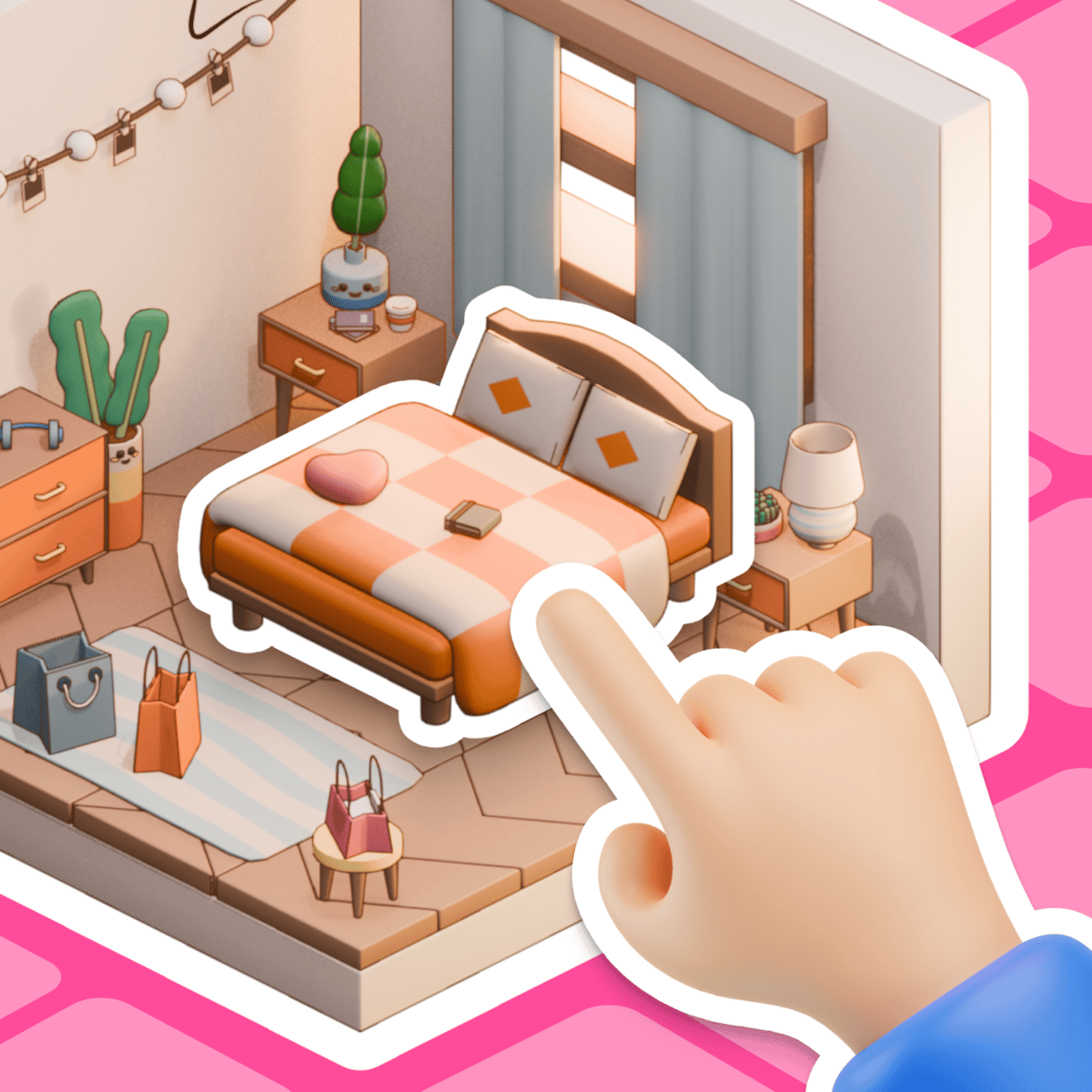
Room upgrades are visual, too—you’ll spot nicer beds, better decorations, and tidier spaces as you invest. It’s a small touch, but it reinforces the feeling that you’re actually building something.
Tips and Strategies
Prioritize the front desk early. Guests who can’t check in just stand there looking annoyed, and unattended guests don’t make you money. Keeping that line moving is the single biggest thing you can do for cash flow in the opening minutes.
Don’t ignore the bathrooms. Restocking toilet paper feels tedious, but empty dispensers visibly frustrate guests—and unhappy guests mean lower returns. Get in the habit of sweeping through the bathroom area between other tasks.
Speed upgrades pay for themselves. Your walking speed is the real bottleneck early on. Upgrading it means you complete more tasks per minute, and that compounds your earnings fast. It’s tempting to pour everything into new rooms, but a slow manager with a big hotel just means more angry guests waiting around.
Hire cleaners before anything else. Once staff unlocks, grab a cleaner first. Room turnover is the slowest part of the operation, and having someone handle it frees you up to focus on check-ins and collecting payments. A bellhop is a solid second hire—they escort guests to rooms automatically.
Collect tips aggressively. Coins sit on the floor after guests pay, and they vanish after a while. Don’t leave money sitting around. A quick sweep through completed rooms before moving to the next task adds up over time.
Expand gradually. It’s easy to build new floors before you have the staff to cover them. An under-staffed expansion means longer waits, grumpier guests, and thinner margins. Grow your team alongside your building.
Common Mistakes
The biggest trap new players fall into is ignoring their walking speed. You start slow, and the hotel starts small, so it doesn’t seem like a problem. But the moment you add a second floor or a parking area, you’ll realize you’re spending half your time just getting from point A to point B. Players who delay the speed upgrade end up stuck in a frustrating loop where they can’t keep up with demand.
Another common slip-up is spending coins on new rooms before upgrading existing ones. Ten mediocre rooms generate less income than five well-upgraded ones. Quality beats quantity in the early and mid game—and the visual improvement is a nice bonus.
Some players also overlook the parking expansion. It’s easy to focus on the building itself, but parking spots bring in guests who arrive by car, and those guests tend to pay well. Skipping that upgrade means missing a solid chunk of revenue.
Finally, people forget to actually stand still and work sometimes. The instinct is to sprint everywhere, but if you’re running past a register full of collected payments, you’re leaving money unclaimed. Slow down near the desk and let the automation cycle through a few times before dashing off.
FAQ
Is My Perfect Hotel free to play?
Yes. The game is completely free to play in your browser on platforms like Poki. No account or download needed—just load it up and start running your hotel.
Can I play it on my phone?
Absolutely. It works on both desktop and mobile devices, including phones and tablets. The swipe controls on touchscreens feel natural, and the portrait layout fits phone screens well.
Who developed My Perfect Hotel?
The game was made by SayGames, a studio known for accessible, well-crafted mobile and browser games. This was their first title released on the Poki platform.
Does the game have an end?
Not exactly. You can keep expanding and upgrading indefinitely, though the pace of progression slows down as costs increase. Think of it as an open-ended management sandbox rather than something with a final goal.
What do I do if I feel overwhelmed by tasks?
That’s normal—the early game is intentionally hectic. Focus on check-ins first, cleaning second, and restocking third. Once you hire your first employee, the pressure drops noticeably. Hang in there through the first few minutes; it gets more manageable.
Running a hotel sounds relaxing—until you’re the only person on staff. My Perfect Hotel turns that chaos into something genuinely fun. The progression system gives you a real sense of accomplishment as your little roadside stop grows into a thriving operation. Give it ten minutes. You’ll see what the million-plus players who rated it already know.