





Slice Master
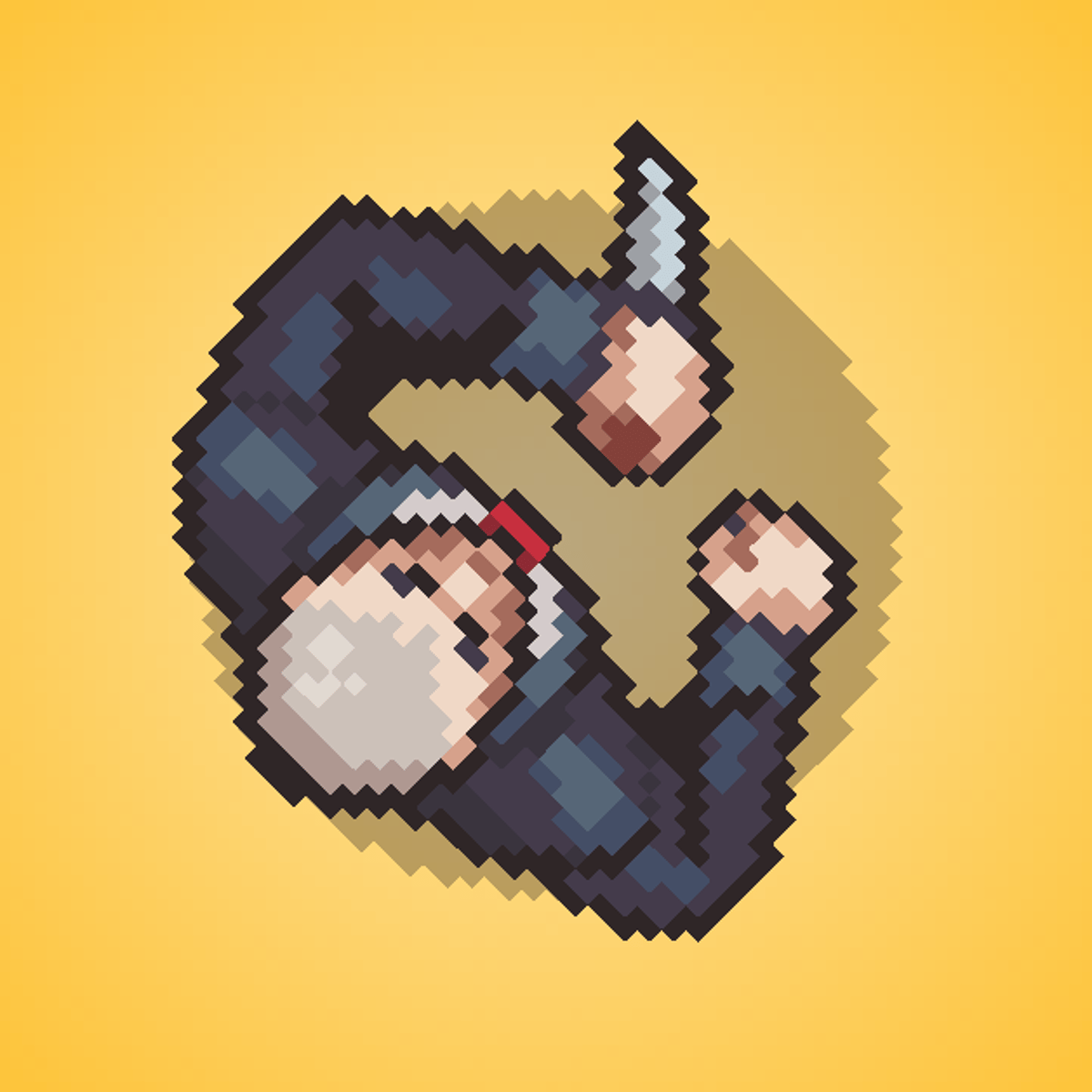
The perfect throw in Slice Master feels incredible. Your blade spins, catches the light, and splits a watermelon cleanly down the middle. It’s a simple, satisfying loop: one click to launch, another to flip, and if your timing’s just right, everything on screen becomes fruit salad. But miss by a hair, and you’re tumbling into a bed of pink spikes.
The concept is straightforward. You guide a knife as it flips through the air between platforms. Each click makes it rotate and travel forward. Your goal is to time those flips so the blade slices through objects—fruit, burgers, you name it—and lands safely on the next solid surface. Mistime a click, and you either overshoot a gap or impale yourself on the spikes lining the route.
That’s the entire game, yet it hooks people for hours. The reason is the razor-thin margin between victory and a restart. Most failed runs don’t come from a fundamental lack of skill, but from being a split-second late or early. That constant “almost” feeling makes every attempt feel winnable, the perfect formula for turning a quick session into a late-night “just one more try” marathon.
How to Play
Controls are deceptively simple. On desktop, you click the left mouse button. On mobile, you tap anywhere on the screen. That’s your entire toolset.
Here’s how it plays out: Your knife starts on a platform. One click launches it into the air, spinning end over end. As it rotates, it moves forward. Click again mid-air to flip the knife again, altering its path. Your challenge is to time these clicks so the blade connects with slicable objects and lands cleanly on the next platform or surface.
Between you and the end of each stage are various obstacles. Fruits and food items are there for the taking—slice them to earn cash. Pink spikes are there to end your run; touch one and you restart the stage, forfeiting all cash collected in that attempt. Overshoot or undershoot a platform, and a gap will do the same.
The controls sound easy, and they are at first. But the precision required escalates quickly. Early stages offer wide landing zones and spaced-out obstacles. Soon, targets shrink, gaps widen, and spikes appear in spots that demand near-perfect timing. You’ll spend your first few runs learning the click rhythm, then dozens more trying to lock it in.
At the end of each stage, you land on a tall column. This column is divided into targets, each with a score multiplier—some boost your earnings, others cut them. We’ll cover strategy for this in the tips section.
Features
Score Multipliers
That landing column is where runs get strategic. Targets range from a modest x2 multiplier up to a tempting x50. The catch? The bigger the multiplier, the smaller the target. Aiming for x50 means trying to stick a landing on a sliver instead of the safe x2 zone. In later stages, you’ll also spot targets that divide your score, so you can’t just aim high blindly.
Your stage cash gets multiplied—or divided—based on where you stick the landing. This turns every finish into a calculated risk: settle for a safe boost, or gamble for a massive payout.
Bonus Rounds
Occasionally, a stage ends with a “Bonus” target on the column. Hit it, and you’re whisked to a special screen loaded with high-value objects. These bonus rounds are lucrative, but they’re all-or-nothing. If you hit a spike during the bonus, there’s no retry. The run ends immediately.
Unlockable Knives
You begin with a standard kitchen knife, but there are nine total to unlock using earned cash. The first costs $5,000, with prices climbing after that. These are purely cosmetic—different blades with different looks, but no gameplay advantage. They’re a nice badge of honor, though. Nothing says “I’ve put in the hours” like busting out the fanciest knife you own.
Infinite Progression
There’s no final level. The game generates increasingly difficult layouts with tighter spaces, more obstacles, and trickier spike placements the further you go. The difficulty curve is smooth enough that you always feel like you’re improving, even if your high score inches up slowly.
Tips and Strategies
Find the rhythm, don’t mash. The biggest mistake players make is clicking frantically. Slice Master rewards a steady cadence. Each click sends your knife into a predictable arc. Get a feel for how many clicks it takes to cross a given distance, then stick to that beat. Consistent timing beats panic-tapping every time.
Bouncing is not dying. If your knife hits a wall or object with the flat of the blade instead of the edge, you bounce instead of dying. The knife enters a free fall, and you can recover by clicking again. New players often freeze when this happens, assuming the run is over. It’s not. Stay calm, resume clicking, and you can often land safely on the next platform.
Survival over slicing. You don’t need to cut every object on screen to clear a stage. If a fruit sits dangerously close to a spike cluster, leave it. A safe landing with fewer slices beats a risky one that ends the run. You can make up the cash later.
Play the landing column carefully. This is where most of your score comes from, and where beginners blow big runs. When starting out, aim for the column’s center—usually a safe x2 or x3 zone. As you get comfortable with the physics, start drifting toward higher multipliers. Chasing x10 or x25 becomes reasonable after a dozen solid runs. The x50 target? Only attempt it once you can reliably hit x25. It’s minuscule.
Watch for score dividers in later stages. As you progress, the landing column adds targets that halve (or worse) your earnings. They’re often placed near high multipliers, tempting you into a trap. Learn to spot them and adjust your aim.
Use the free coin option. The game occasionally offers a short ad in exchange for a chunk of coins. If you’re grinding to unlock knives, take these deals. They cut down the time needed without affecting gameplay.
Common Mistakes
Clicking too late on early jumps. New players often wait until the knife is already falling to click. By then, you’ll undershoot the platform. Click while the knife is still rising for much more distance per flip.
Ignoring spike patterns. The spikes aren’t random. They follow repeating patterns with variations. Pay attention to where they appear relative to platforms, and you’ll start anticipating them instead of reacting at the last second.
Panicking after a bounce. Bouncing off a wall isn’t game over. But players unfamiliar with the mechanic will stop clicking and plummet to their death. If you bounce, immediately resume clicking. Treat it as a detour, not a disaster.
Going for big multipliers too early. The x50 target is flashy, but crashing into the divider next to it because you lack precision is a quick way to zero out a good run. Build gradually. A string of x5 and x10 multipliers will outscore one lucky x50 surrounded by failures.
Rushing bonus rounds. Bonus stages feel frantic with valuable targets, but the spikes are still there. Click carelessly, and everything ends. Keep the same measured timing you’d use on a normal stage. The cash is plentiful even if you play it safe.
FAQ
How many levels are in Slice Master?
There’s no set number. The game generates increasingly difficult stages as you progress, so there’s always a next level. The challenge climbs, but there’s no final boss or ending.
Do different knives change gameplay?
No. All nine knives are cosmetic. They look different and show how long you’ve been grinding, but they don’t affect speed, slicing, or mechanics. Your skill is the only factor.
What happens when I hit a spike?
Your run restarts at the beginning of the current stage, and you lose all cash collected during that stage. You keep cash from previously completed stages and any unlocked knives.
Can I play on my phone?
Yes. The game works on desktop browsers, phones, and tablets. The single-tap control is a natural fit for touchscreens, arguably better than a mouse for this kind of timing game.
Is there a practice mode?
No. The game is built around full runs, with no stage select or practice option. The best way to improve at a section is to reach it consistently through play, then focus on what works.
Slice Master proves one button is enough for a genuinely tough game. The knife never gets sharper on its own—only your timing does.