

Tic Tac Toe
You don't need explosions, a loot box economy, or a sprawling 80-hour campaign to make a classic. Tic Tac Toe is proof of that. Nearly everyone has played it—doodled on a napkin, sketched in a notebook margin, or tapped out on a phone while waiting somewhere. This browser version by Code This Lab captures that familiar grid perfectly, offering clean visuals, responsive controls, and an AI opponent that can genuinely challenge you.
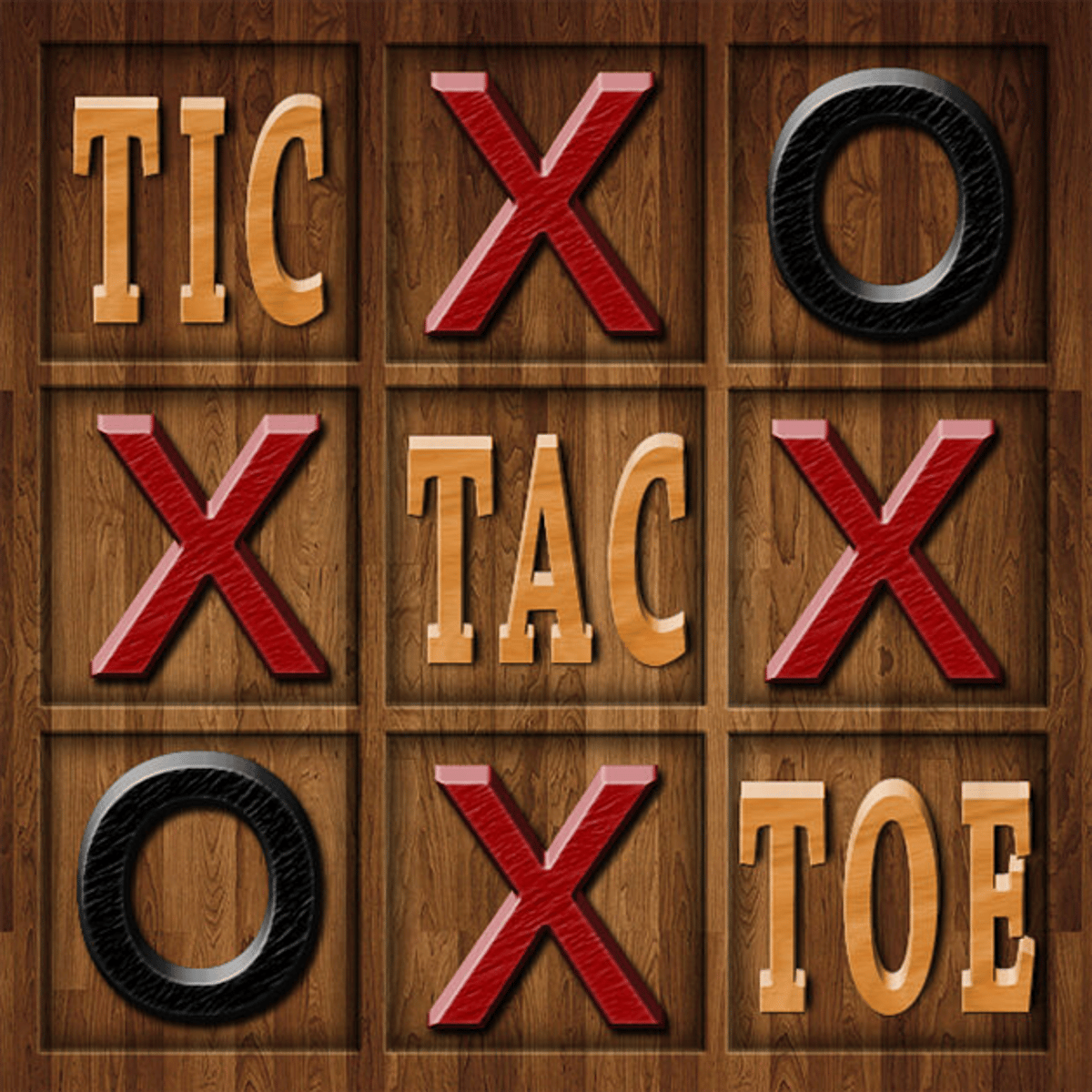
The rules are as straightforward as they get. Two players take turns placing Xs and Os on a 3x3 grid, each aiming to be the first to get three in a row. That’s the whole game. No tutorials, no unlock trees, no battle passes. Yet it has survived for centuries—the roots trace back to ancient Egypt—because beneath that simplicity is a real strategic puzzle. Start thinking even one move ahead, and it stops feeling like a coin flip. It becomes a small, sharp duel of wits.
Code This Lab’s take on it focuses on what matters. The interface is polished, you can challenge a friend or the computer, and it loads instantly in any modern browser. No downloads, no account creation. Just click and play. It’s the kind of quick game you bookmark for a mental reset.
How to Play
The goal is simple: line up three of your marks before your opponent does. You choose to play as X or O, and alternate placing one mark per turn on any empty square. The first player to get three in a row wins. If the board fills up with no winner, the game ends in a draw.
On desktop, the entire control scheme is one mouse click. Click any empty square to place your mark. The interface highlights your choice clearly, so accidental misclicks are rare—though a tiny laptop trackpad can still cause them.
On mobile, you tap. Touch the square where you want to play. The grid scales to fit your screen well, so hitting the right spot isn’t usually a problem. If the squares feel cramped in portrait mode, rotating your phone to landscape can give you more space.
Before a match, you’ll usually choose whether to play against the AI or a second human player on the same device. When facing the computer, you might see an option for difficulty. Against a friend, you just take turns tapping or clicking.
Game Modes
This version offers two main ways to play, each with its own appeal.
Player vs. Computer is likely where you’ll start. You face an AI that moves right after you do. The computer doesn’t play randomly—it evaluates the board, tries to block your wins, and sets up its own. How well it does this depends on the difficulty. On easier levels, it might miss obvious threats or pick a weaker square. On harder settings, it plays near-perfectly, which often leads to draws.
Player vs. Player lets two people share the screen and take turns. This is the original way to play, and it still works beautifully. There’s a particular satisfaction to the back-and-forth when your opponent is sitting right next to you. You can talk a little trash, celebrate a win, and immediately demand a rematch. It’s local multiplayer at its simplest—no controller, second screen, or internet connection needed.
The game also keeps track of wins and draws over a session. It’s a small feature, but it gives a best-of-five series a bit of real stakes.
Tips and Strategies
Tic Tac Toe might seem like pure chance, but it isn’t. The player who goes first has an inherent edge, and knowing a few patterns will help you win more often—or at least secure a draw against strong competition.
Take the center first if you can. Playing first? Place your mark in the middle square. It’s the strongest opening move because the center is part of four possible winning lines—horizontal, vertical, and both diagonals. That gives you the most flexibility. Corners are the next best option, each touching three lines. The side squares, in the middle of each edge, are the weakest openers; they’re involved in only two lines.
Build toward a fork. A fork is when you create two possible winning lines at once, and your opponent can only block one. This is how you actually win against a human player. Set up your marks so that after your third move, you threaten two separate lines. A classic setup: take two opposite corners and the center. Your opponent will often be unable to defend both threats.
Watch for your opponent’s forks, too. If you see them setting up two corners or a corner-and-edge combination, block the critical square before the fork happens. Many beginners fixate on blocking immediate three-in-a-row threats and miss the setup that leads to an unstoppable win the next turn.
Play for the draw against a tough AI. If the computer is playing well, you probably won’t win as the second player—and sometimes not even as the first. That’s okay. With perfect play, Tic Tac Toe always ends in a draw. Forcing a tie against a strong AI is actually the correct outcome. Don’t let frustration push you into aggressive moves that leave you exposed.
Learn the sequences, not just the rules. Experienced players recognize key board states instantly. After enough games, you’ll notice there are only a handful of positions that truly matter. The opening, the response, and the third move largely decide the game. Study a few common sequences, and you’ll move from guessing to playing with a plan.
Common Mistakes
New players often fall into the same traps. Spotting them early will save you many unnecessary losses.
Missing your opponent’s threat. This is the biggest beginner error. You focus so hard on building your own line that you don’t see your opponent is one square away from winning. Always check for their potential three-in-a-row before you move. If they have two in a row and the third square is open, you must block it. No exceptions, no matter how good your own plan looks.
Starting with an edge square. Opening on a side square—the ones that aren’t corners or the center—is almost always a weak move. It doesn’t put enough pressure on the board, and a smart opponent will take the center and control the game from there.
Sticking with a blocked line. Sometimes you set up two in a row, but your opponent blocks the third square. Beginners often keep trying to force that same line, hoping for a mistake. It rarely works. Instead, use that blocked line as a distraction and build toward a fork elsewhere on the board.
Forgetting that draws are common. Against a competent opponent or a smart AI, most games will end in a draw. If you’re losing more than winning, the problem usually isn’t luck—it’s one of the mistakes above. But if you’re drawing a lot, that’s actually a sign you’re playing well. Tic Tac Toe is a solved game; draws are the expected result with correct play.
Moving too quickly. The browser version has no timer, so there’s no reason to rush. Take a second. Scan the whole board. Check if your opponent is threatening anything. Then make your move. A moment of thought can turn a loss into a draw, or a draw into a win.
FAQ
Is this game free to play?
It is completely free. Code This Lab’s Tic Tac Toe runs in your browser with no cost. There are no sign-ups, paywalls, or premium currencies.
Can I play on my phone?
Yes, it works well on mobile browsers using tap controls. The game is lightweight, so it loads quickly even on a slower connection.
Does the AI cheat?
No. The computer makes decisions based only on the current board state, just like a human would. On harder difficulties, it simply evaluates positions more effectively. It doesn’t peek at your intended move or break the rules.
Why do I keep drawing?
Because you’re playing correctly—or your opponent is. Tic Tac Toe is mathematically solved. With perfect play from both sides, every game ends in a draw. To get more wins, you need opponents who make mistakes, or you need to press the first-move advantage harder.
How do I start a new game?
A button appears on the screen after each round to play again. You can also refresh the page to reset everything from the beginning.
---
Tic Tac Toe isn’t here to replace your favorite RPG or competitive shooter, and it doesn’t try to. What it offers is a quick, clean strategy game that respects your time—and occasionally humbles you when the AI spots a move you missed entirely.