



Master Checkers
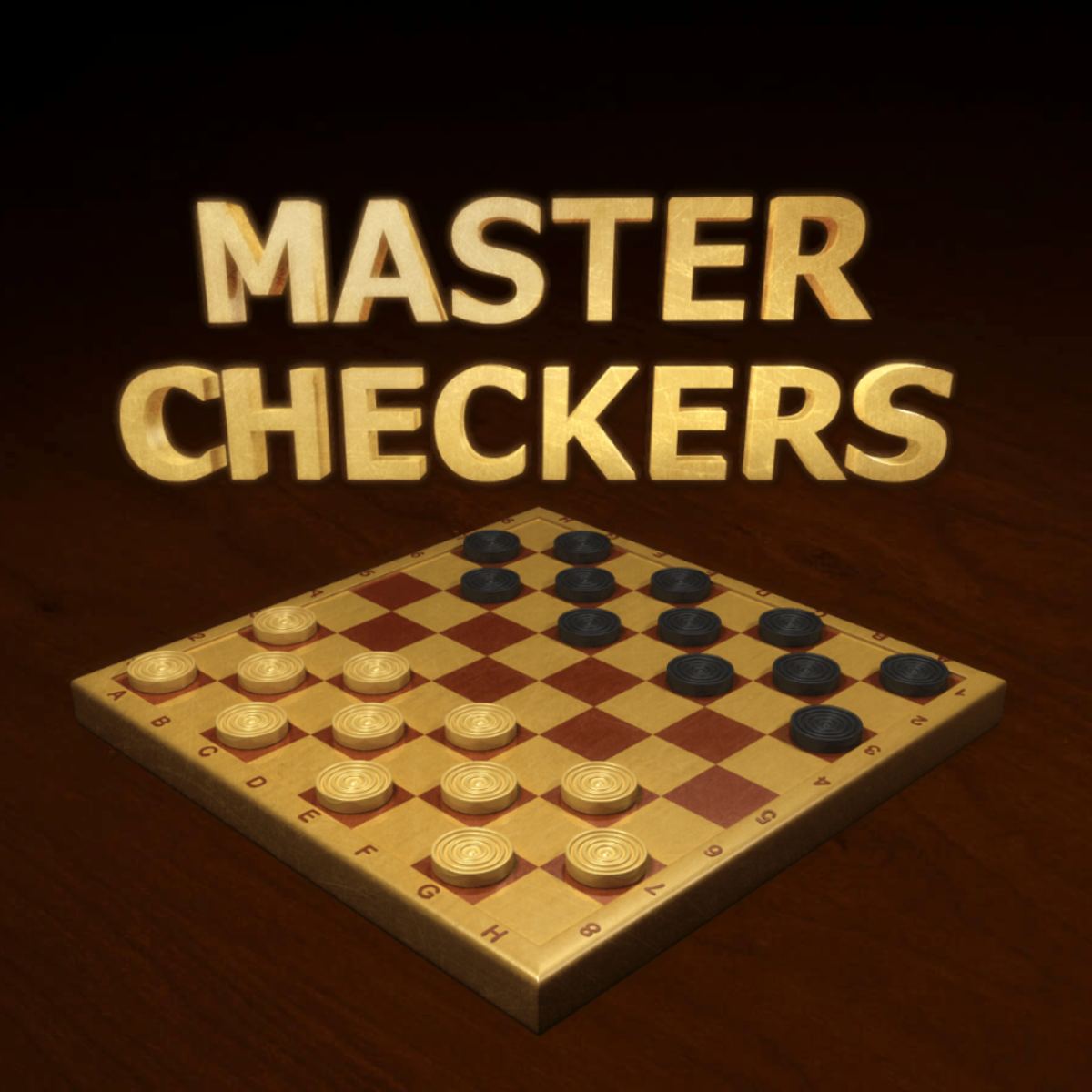
You know that quiet tension when you’re staring across a checkerboard at a friend, both of you trying to outthink each other? That’s why this game never gets old. Master Checkers, from developer Codethislab, brings the same classic experience to your browser with a clean, no-fuss interface that lets you focus on what matters: the moves. Whether you’re killing time on your phone or settling in for a longer session on a laptop, the game feels right at home.
What keeps people coming back isn’t flashy graphics or complicated rules. It’s the pure, turn-based strategy checkers is famous for. One wrong step can cost you the match, and one clever trap can win it. Master Checkers captures that tension perfectly. The board is crisp, the pieces are easy to read, and the AI opponent offers a decent challenge without feeling unfair. It’s the kind of game where you can play a quick round during a break or spend an hour grinding through a tough match. Simple, but surprisingly deep.
How to Play
The objective is straightforward: capture all of your opponent’s pieces or block them so they can’t move. You control the red or black pieces at the start, and you take turns moving one piece diagonally forward to an empty square. If an opponent’s piece is directly adjacent and the square beyond it is empty, you must jump over it to capture it. Multiple jumps in a single turn are possible if the chain continues.
On desktop, you click and drag a piece to its destination square. The game highlights valid moves, so you won’t accidentally send a piece somewhere illegal. On mobile or tablet, you tap a piece to select it and then tap the square you want to move to. The controls are responsive and intuitive—no awkward drag gestures on small screens. There’s also an undo button if you misclick, though it’s best not to rely on it too much.
When a piece reaches the far edge of the board, it gets “kinged” and gains the ability to move backward as well as forward. Kings are powerful, but they’re not invincible. Managing your kings and protecting them from being jumped is a big part of the late game.
Features
Master Checkers doesn’t try to reinvent the wheel, but it does include a few thoughtful touches. You can play against the computer at three difficulty levels—Easy, Medium, and Hard. The Easy AI makes occasional mistakes, which is great for learning. Hard mode is genuinely tricky and will punish sloppy play. There’s also a local two-player mode, so you can hand your phone to a friend and play head-to-head on the same device. That’s perfect for road trips or lazy afternoons.
The game keeps track of your wins and losses, and there’s a simple stats page if you like seeing your progress. The sound effects are minimal—just a soft click when you move a piece and a slightly louder thud when you capture one. You can turn them off if you prefer silence. Overall, the design is functional and respectful of the original board game. No distractions, no clutter.
Tips and Strategies
Checkers looks simple, but good players know it’s all about positioning. Here are a few things that actually make a difference.
Control the center. Pieces in the middle of the board have more options and can react to threats faster than pieces stuck on the edges. Try to keep your pieces clustered near the center, especially in the early game. Don’t scatter them around.
Set up double jumps. The most satisfying wins come from forcing your opponent into a position where they have to leave a piece vulnerable, and you can chain two or three captures in one turn. Look for opportunities where your piece is next to an opponent’s piece, and the square beyond is empty. Even if you don’t jump immediately, keep that pattern in mind.
Don’t move your back row too early. The pieces on your home row are your last line of defense. If you move them forward without a plan, you leave your back row open and make it easier for your opponent to reach your king row. Keep those pieces in place until you have a solid reason to move them.
Advance your pieces as a group. Moving one piece far ahead while the rest lag behind is a recipe for disaster. That lone piece will get surrounded and jumped. Instead, try to keep your pieces roughly level with each other as you advance. That way, they can support each other and block your opponent’s advances.
Use your kings wisely. A king can move backward, which makes it great for chasing down enemy pieces and protecting your own. But kings are also prime targets. Don’t send a king into enemy territory without backup. Use it to control the center and force trades that leave you with more pieces.
Sacrifice when it makes sense. Sometimes you need to let one piece get captured to set up a double jump or to lure your opponent into a trap. This is called a “giveaway” or “sacrifice,” and it’s a hallmark of advanced play. If you see a chance to trade one piece for two, take it.
Common Mistakes
Even experienced players slip up. Here are the errors I see most often in Master Checkers.
Moving without a plan. It’s tempting to just push pieces forward because you have to move. But every move should have a purpose—either to attack, to defend, or to improve your position. If you’re moving randomly, you’re handing your opponent opportunities.
Forgetting to protect the back row. I’ve lost count of how many games I’ve won because my opponent moved all their back pieces forward early, leaving their king row wide open. I rushed a piece to the back, got crowned, and then used that king to tear through their defenses. Keep at least a couple of pieces on your home row until the mid-game.
Ignoring the opponent’s threats. You might be focused on your own attack, but if you don’t watch what your opponent is setting up, you’ll walk into a trap. Always look at their last move and ask: “What are they trying to do?” Sometimes the best move is to block their plan, not advance yours.
Overvaluing kings. Kings are great, but they’re not invincible. If you push a king too far forward without support, it can get surrounded and jumped just like any other piece. Treat your kings as powerful tools, not as game-ending trump cards.
Not taking the time to think. Checkers is a slow game. There’s no timer in Master Checkers (unless you set one yourself). Use that time. Look ahead two or three moves. Consider what your opponent’s best response would be. Rushing leads to mistakes.
FAQ
Can I undo a move?
Yes. There’s an undo button that lets you take back your last move. It’s useful if you misclick or want to reconsider a move, but try not to rely on it too much—part of the game is learning from your mistakes.
Is there a two-player mode?
Yes. You can play locally against a friend on the same device. It’s a great way to settle bragging rights without needing an internet connection.
How do I promote a piece to a king?
When one of your pieces reaches the far edge of the board (the opponent’s home row), it automatically becomes a king on your next turn. The game crowns it with a second piece stacked on top.
Is Master Checkers free to play?
Yes, it’s completely free in your browser. There are no ads that interrupt gameplay, though you may see some around the page.
Can I play on my phone?
Absolutely. The game works on both desktop and mobile browsers. The touch controls are smooth, and the board scales to fit your screen.
##
Master Checkers is one of those games that proves you don’t need a big budget or fancy features to create something worth playing. It’s clean, responsive, and respects the rules that have made checkers a classic for centuries. Whether you’re a veteran looking for a quick match or someone who’s never played before, give it a shot—you might find yourself staying for more than just one game.