






Swordtail
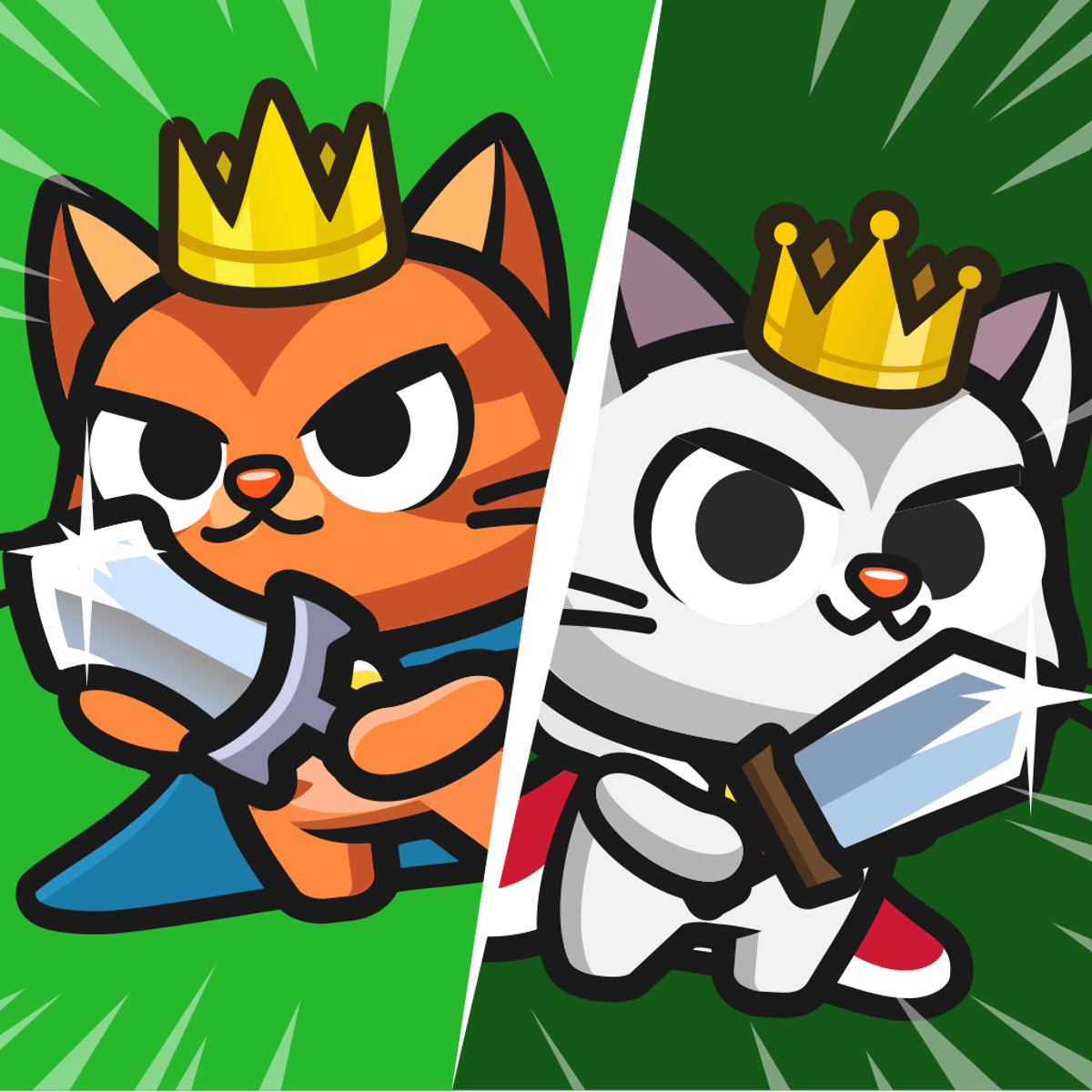
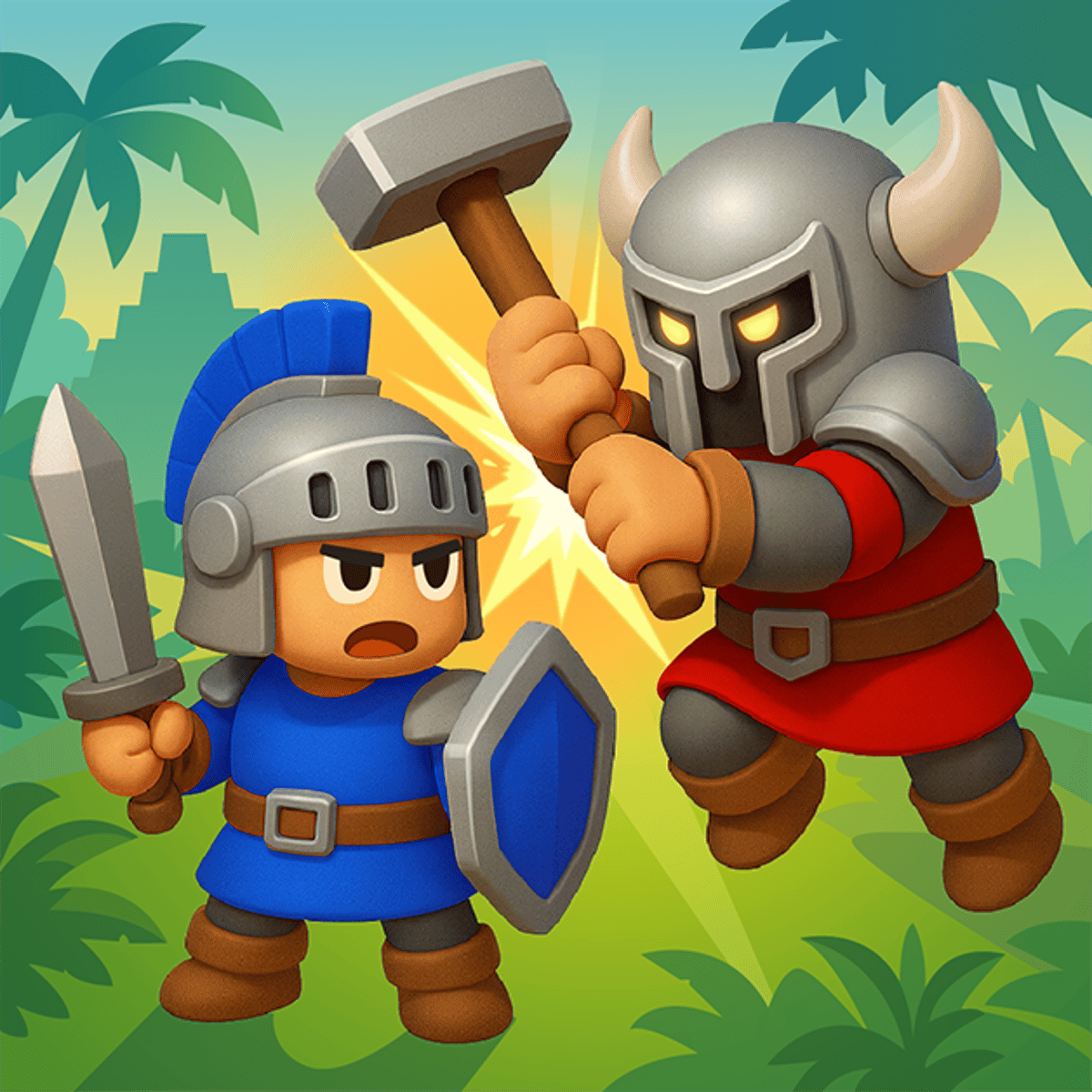
Ever wanted to feel like the last line of defense between a peaceful kingdom and a monster horde? Swordtail scratches that itch. It’s a wave-based survival game where you gather resources, craft gear, and fight off increasingly nasty creatures. What keeps me coming back is the loop: you start weak, barely able to handle a few enemies, then slowly build your arsenal until you’re carving through waves like a hot knife through butter. And if you’ve got a friend nearby, the local co-op mode doubles the chaos and the fun.
Developed by 7Spot Games—the same folks behind Duo Survival, BoxRob, and Cow Bay—Swordtail doesn’t reinvent the wheel. Instead, it polishes a familiar formula into something satisfying whether you have five minutes or an hour. Controls are simple, progression is clear, and the difficulty curve keeps you on your toes without feeling unfair. It’s easy to pick up but hard to put down, especially when you’re trying to beat your last wave record.
How to Play
Your goal is straightforward: survive wave after wave of monsters pouring in from the map’s edges. You control a single character (or two in co-op) who can move, attack, and collect resources. The kingdom you’re defending is a central structure—keep it alive, and you keep going. Let it fall, and it’s game over.
Desktop controls: Use WASD or arrow keys to move. You can also click and drag with the mouse—handy if you prefer point-and-click navigation. To attack or gather resources, just walk up to an enemy or resource node; your character auto-swings or harvests. Press Escape to pause.
Mobile controls: On phones and tablets, move by tapping and dragging on the screen. Same auto-attack and auto-gather logic applies—get close to what you want to interact with. The interface is clean enough that you won’t feel cramped on a smaller screen.
The key mechanic is resource management. Scattered around the map are trees, rocks, and other nodes that drop wood, stone, and more. You’ll also find chests or loot from enemies. Use these materials at the crafting station (usually near your base) to create weapons, armor, and consumables. Upgrading your gear is essential because each wave brings tougher enemies. Don’t expect to survive wave 10 with the same wooden sword you started with.
Game Modes
Swordtail offers two main ways to play:
- Single Player: You’re on your own, controlling one character. Difficulty scales for a solo player, so you won’t feel overwhelmed by enemy numbers. Great for learning the ropes and figuring out your preferred upgrade path.
- Local Co-op (2 Players): This is where the game really shines. A second player can join on the same keyboard (Player 2 typically uses arrow keys while Player 1 uses WASD, or both can use gamepads if supported). You share resources and the base, but you can split up to gather faster or cover more ground during a wave. Communication is key—one player might focus on resource collection while the other holds the line. Enemy count increases with two players, so you can’t just double the firepower and coast.
There’s no separate “endless” mode label, but the game continues as long as you survive. Waves get progressively harder, with new enemy types (ranged attackers, fast runners, big bruisers) appearing every few waves. I’ve heard rumors of a boss wave around wave 15, but I haven’t made it that far yet—still working on my co-op coordination.
Tips and Strategies
After a dozen or so runs, here’s what I’ve learned that actually makes a difference:
1. Gather first, fight later. At the start of each wave, you get a brief calm period. Use it to run around and collect every resource node you can see. Don’t engage enemies until you’ve stocked up. Resources don’t respawn during a wave, so if you’re fighting, you’re not gathering. A good rule of thumb: spend the first 10–15 seconds of each wave sprinting to nodes, then turn to fight.
2. Upgrade your weapon before your armor. It’s tempting to bulk up defense, but killing enemies faster means fewer hits you have to take. A stronger weapon also lets you clear resource nodes quicker (some require multiple hits). Armor is important, but it’s secondary. I usually go weapon → boots (movement speed) → armor → accessories.
3. Use the environment. The map has obstacles like trees and rocks that you can kite enemies around. If you’re getting swarmed, run in a circle around a large boulder. The enemies will bunch up, letting you hit multiple at once with a sweeping attack. This is especially useful in co-op—one player kites while the other deals damage.
4. Don’t ignore consumables. Health potions and temporary buffs (attack speed or damage boosts) can turn a losing fight around. Craft a few early and keep them in your inventory. There’s no penalty for using them, and they’re cheap to make. I always carry at least two health potions after wave 5.
5. In co-op, divide and conquer. Have one player focus on gathering and crafting while the other holds the front line. The gatherer can also act as a runner to lure enemies away from the base. Switch roles every few waves to keep things fresh. And for the love of all that is pixelated, don’t both chase the same resource node—you’ll waste time.
Common Mistakes
New players tend to fall into the same traps. Here’s what to avoid:
Hoarding resources. I’ve seen players stockpile hundreds of wood and stone, only to die because they never upgraded their gear. Resources are useless if you’re dead. Spend them as soon as you have enough for an upgrade. The game doesn’t punish you for crafting early—there’s no “better” item later that requires the same materials. Upgrade tiers are linear, so go ahead and craft that iron sword as soon as you can.
Ignoring the base. The central structure is your lifeline. Some players wander too far from it during a wave, and a few sneaky enemies slip past and chip away at its health. Keep an eye on the minimap (if there is one) or just glance at the base every few seconds. In co-op, one player should always stay within a short dash of the base.
Fighting instead of fleeing. When you’re low on health, run. Don’t try to be a hero. Enemies will chase you, but they’re slower than you (especially if you upgraded boots). Use that speed to create distance, heal up, then re-engage. Dying means you lose all your progress for that wave, and you might even drop some resources.
Neglecting movement speed. Boots are the most underrated upgrade. Faster movement lets you gather quicker, dodge attacks, and reposition during fights. I always upgrade boots to at least level 2 before wave 8. It’s a small investment that pays off every second.
FAQ
Is Swordtail free to play?
Yes, it’s completely free. You can play it in your browser on Poki without any downloads or payments.
Can I play Swordtail on my phone?
Absolutely. It works on both desktop and mobile devices. On mobile, you move by tapping and dragging on the screen. The controls are adapted well for touch.
How do I play with a friend?
Swordtail supports local co-op for two players. On the same computer, Player 1 uses WASD and Player 2 uses the arrow keys. You can also use gamepads if your browser supports them. There’s no online multiplayer, so you’ll need to be in the same room.
How many waves are there?
The game doesn’t have a fixed number of waves—it continues until you die. The difficulty ramps up steadily, and I’ve heard of players reaching wave 20 or more. There may be a final boss, but I haven’t seen one yet.
Who developed Swordtail?
It was made by 7Spot Games, a developer known for other browser games like Duo Survival, BoxRob, and Cow Bay. They specialize in co-op and survival titles.
Closing
Swordtail doesn’t try to be the next big thing—it just wants to give you a solid, addictive survival experience with a friend or solo. The crafting is simple, the combat is satisfying, and the co-op mode turns a good game into a great one. If you’ve got a spare half-hour and a buddy nearby, give it a shot. Just remember to upgrade those boots.